

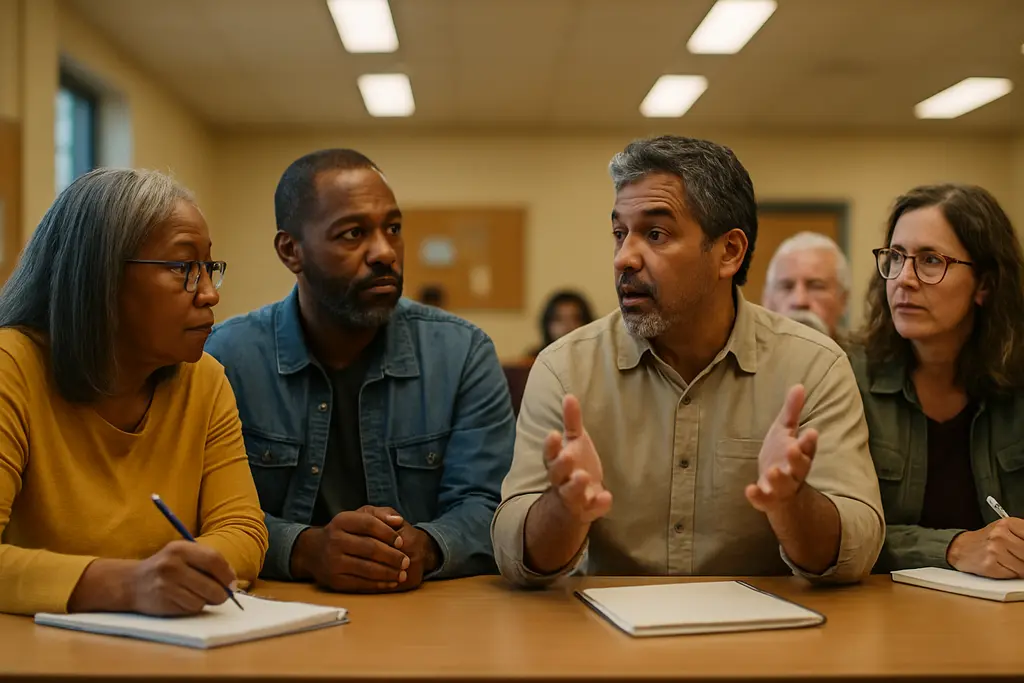
As of October 5, 2026, Tampa Flood Meetings and related public access points are split between direct recovery assistance and planning discussions that can affect future flood risk. Hillsborough County has announced October pop-up service centers for income-eligible residents applying for the Rebuilding for Tomorrow Program, while the City of Tampa recently held a Tampa Forward meeting tied to Land Development Code updates. For residents, the key distinction is practical: some sessions are designed for applications and documentation, while others are designed for public feedback on rules and planning decisions.
Tampa Flood Meetings And October Access Points
Hillsborough County said its October pop-up centers are for income-eligible residents applying for the Rebuilding for Tomorrow Program, which is connected to damage from Hurricanes Helene and Milton in 2024. The county listed three October sessions: Progress Village on October 7, 2026, from 5 to 7 p.m.; Thonotosassa on October 14, 2026, from 3:30 to 5:30 p.m.; and Town ’N Country on October 20, 2026, from 5 to 7 p.m. Hillsborough County’s notice identifies these as application support centers, not general policy hearings.
That distinction matters for residents affected by prior storm damage. A service center can help households move through an application process, but it is not the same format as a council hearing, workshop, or open house where residents debate project scope. People planning to use the county centers should treat them as document-focused appointments and arrive prepared to discuss eligibility, property impacts, and recovery needs under the program terms described by the county.
What Is Confirmed For October
The confirmed October county access points occur after the October 5 publication date for this article, so they remain upcoming as listed by Hillsborough County. The Progress Village session is the first, followed by Thonotosassa and Town ’N Country. Residents should rely on the county’s posted notice for any changes in location, time, or application requirements because program schedules can be adjusted by the agency managing the service.
For residents tracking flood recovery, these centers offer a direct channel to county staff or program representatives. The official county notice frames the events around applications for Rebuilding for Tomorrow. Based on that description, the most useful preparation is likely to involve household and property records rather than broad public-comment statements.
How Tampa Flood Meetings Differ
Tampa Flood Meetings is a useful label for public participation opportunities, but the term covers different civic formats. A county pop-up center, a city planning session, a council meeting, and an infrastructure open house do not serve the same purpose. Residents can lose time if they bring the wrong material to the wrong venue.
A practical split is between case-based participation and policy-based participation. Case-based participation involves applying for help, confirming eligibility, or documenting storm damage. Policy-based participation involves speaking about drainage priorities, development standards, capital projects, or neighborhood impacts. Both can relate to flood mitigation, but they move through different public agencies and records.
How Residents Can Prepare Comments And Documents
Residents using county service centers should prepare for a program intake setting. Hillsborough County’s announcement identifies the centers as application support for income-eligible residents, so residents should expect questions tied to program eligibility and damage history. The county notice is the controlling public source for dates and program framing.
Residents who want to comment on city planning, code standards, or stormwater project design should prepare differently. Public-comment settings usually reward concise statements that identify a location, explain the problem, and ask for a specific next step. A resident might identify a street segment that floods, describe how often access is affected, and ask whether a capital project, maintenance action, or code update addresses that location. That kind of comment gives staff and elected officials a clear record without relying on broad claims.
For County Rebuilding Centers
For the Hillsborough County pop-up centers, residents should review the county’s program notice before attending. Because the county describes the centers as application support, residents should bring material that helps verify identity, property connection, household status, storm damage, and any prior recovery steps if the program requires those records. The article does not list a required document set because the provided official notice, not this report, should control application instructions.
Residents should also note that the three October locations are spread across different parts of the county. That distribution may help applicants choose the most workable site, but the county’s schedule should be checked before travel. If a resident cannot attend a listed session, the cautious next step is to use the county’s official program channels to ask whether other application support options are available.
For City Planning Meetings
The City of Tampa listed a Tampa Forward meeting for the Land Development Code Update, Installment 2, as free and open to the public with pre-registration required. The supplied research record places that meeting on September 30, 2026, so it had already occurred by October 5, 2026. The city event listing remains relevant because it shows the type of public process Tampa has used for code changes connected to land use and development standards. The City of Tampa event notice provides the official event reference.
Code update meetings can matter for flood mitigation because land development rules may affect building placement, site design, drainage expectations, and future redevelopment patterns. This article does not state that the September 30 meeting adopted any particular flood rule; the official material cited here supports only the meeting’s public nature and connection to the Land Development Code update. Residents interested in future code discussions should follow city notices rather than assuming that one completed meeting was the final opportunity.
Recent City Input That Still Matters
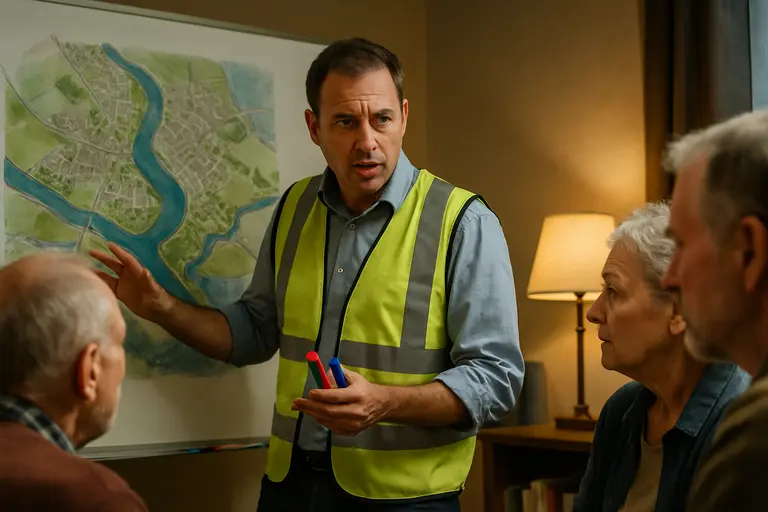
Although the Tampa Forward meeting had passed by October 5, 2026, the participation model remains useful for residents preparing for later city sessions. Pre-registration, topic-specific agendas, and written comments can shape how residents enter the public record. A resident concerned about repeated street flooding may be more effective by connecting the concern to a specific code section, project area, or drainage standard when an agency identifies those items on an agenda.
For residents tracking Tampa Flood Meetings, the lesson from the recent city process is that public input often arrives before a final vote or staff recommendation. Waiting until construction starts or a program deadline closes can limit the available options. Meeting notices, application deadlines, agenda packets, and staff presentations are the materials that residents should watch most closely.
Readers following related civic calendars may also find ITPR’s coverage of infrastructure planning meetings useful for understanding how agencies post meeting dates, workshops, and bond-related steps. Another illustrative resource is the Houston LWS Forum, which also provides insights into local civic information.
Questions Residents Can Ask Agencies
Residents can make public participation more useful by asking questions that agencies can answer in writing or on the record. For a rebuilding program, a resident can ask what documentation is required, whether prior repairs affect eligibility, and how application status will be communicated. For a planning meeting, a resident can ask whether a proposed code change changes drainage review, whether coastal management policies apply to a specific area, or whether public comments will be included in the staff record.
Those questions are narrow enough for staff follow-up and specific enough to help neighbors understand the process. They also avoid unsupported claims. In flood mitigation discussions, clear locations, dates of observed impacts, photographs if allowed by the agency, and references to posted agenda items can carry more civic value than general frustration.
Tampa Flood Meetings Participation Checklist
Tampa Flood Meetings require different preparation depending on whether the meeting is about recovery assistance or public policy. As of October 5, 2026, the official records cited in this article support three upcoming Hillsborough County application support centers in October and one recent City of Tampa public meeting tied to Land Development Code updates. Residents should treat those as separate tracks.
- Use Hillsborough County’s October pop-up centers for Rebuilding for Tomorrow application support if the program applies to your household.
- Check the county notice before attending because the county controls times, locations, and program instructions.
- For city planning meetings, read the agenda or event notice before preparing remarks.
- Keep public comments specific: identify the location, describe the flood or drainage issue, and request a clear agency response.
- Do not treat a completed meeting as upcoming; the Tampa Forward meeting discussed here had already occurred by October 5, 2026.
The most useful next step is to match the participation channel to the need. Residents seeking household recovery assistance should start with the county’s Rebuilding for Tomorrow pop-up centers. Residents focused on drainage policy, development standards, or infrastructure priorities should monitor City of Tampa meeting notices and prepare location-specific comments for future public sessions.