

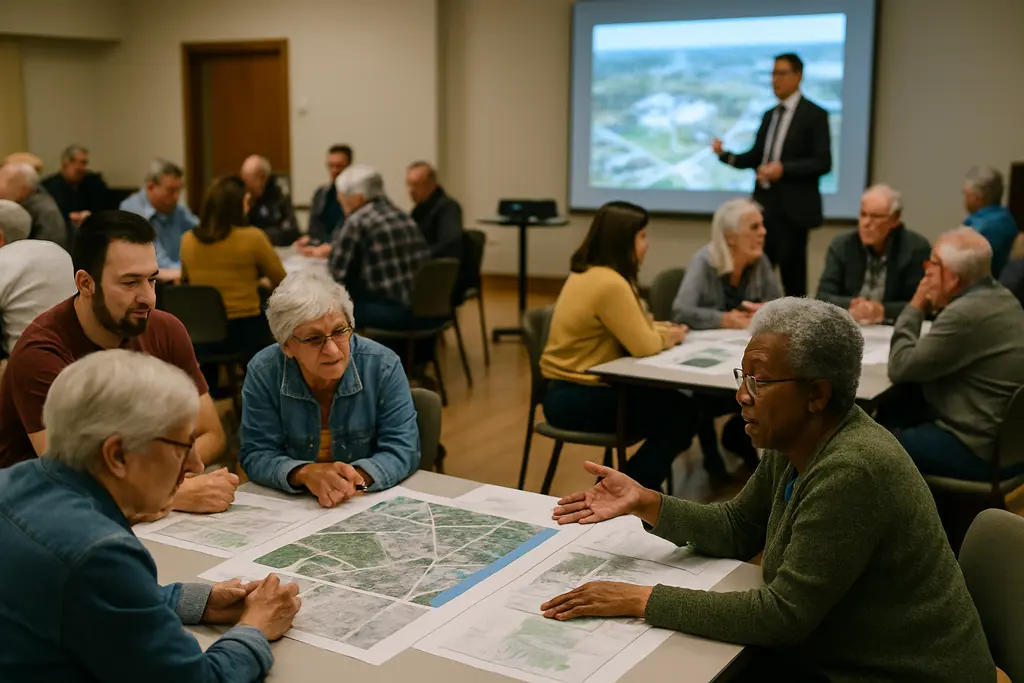
Several infrastructure planning opportunities listed by local governments across the United States have shifted from scheduled events to public-record stages as of September 11, 2026. Others remain open for residents who want to follow transportation, water and sewer, land use, public facilities, and bond-funded project decisions. The main change for readers is timing: meetings in early September should now be treated as completed, while later September and October sessions remain the next civic steps.
For community wellness advocates, these meetings matter because roads, sidewalks, water systems, public buildings, drainage, schools, and emergency facilities shape daily health conditions. Official local notices in the research notes identify opportunities in Ohio, Virginia, Florida, Maryland, Texas, and California. The supported record shows a mix of listening sessions, bond briefings, public hearings, pre-construction meetings, and council updates.
Infrastructure Planning Dates Still Open
Meetings After September 11
Several official local postings in the research notes listed public meetings after September 11, 2026. Spotsylvania County, Virginia, posted a 2026 Bond Referendum schedule that included meetings on September 29, 2026, at Spotsylvania High School and October 21, 2026, at Massaponax High School, both from 6 p.m. to 8 p.m.. The county’s posted focus, according to the research notes, included capital infrastructure improvements tied to transportation, public safety, schools, environmental needs, and solid waste.
Hillsborough County, Florida, through Plan Hillsborough’s I-4 Urban Expansion Area Planning Study material cited in the research notes, listed later Round 4 community meetings on October 20, 2026, in virtual format and October 22, 2026. The study topics listed in the research notes included land-use scenarios, impact analysis, plan policy recommendations, transportation, infrastructure, and anticipated growth along the I-4 corridor.
The City of Miami Beach, Florida, posted a pre-construction community meeting for the Bayshore Traffic Calming GO Bond project on September 14, 2026, from 5:30 p.m. to 6:30 p.m. in virtual format, according to the city event listing summarized in the research notes. The listed topics were traffic calming devices, neighborhood traffic safety, and construction impacts.
The City of Grand Prairie, Texas, posted 2026 Bond Program Ad Hoc Committee meetings on September 16, September 30, and October 14, 2026, with meetings beginning at 6 p.m. at City Hall and community venues, according to the city bond program page summarized in the research notes. The posted focus was public input on proposed infrastructure and multipurpose facility bond projects before a bond measure.
Why The Open Dates Matter
These remaining dates give residents formal settings to ask how local governments are defining need, cost, timing, and project priority. A bond meeting is different from a construction notice. A bond meeting can shape what voters or elected officials are asked to finance. A pre-construction meeting usually concerns how an approved project will affect traffic, access, staging, and nearby residents. A planning study meeting may affect policy language before a road, utility, or development decision reaches final design.
Residents comparing meeting formats may find related civic process coverage in ITPR’s report on Wallingford public meetings, which also centers on infrastructure-related participation steps.
What Early September Hearings Covered
Infrastructure Planning Records Already On File
Some listed events had already occurred by September 11, 2026, so they should now be read as part of the public record rather than as future attendance opportunities. Upper Arlington, Ohio, listed the first public meeting for the Upper Arlington 2026 Master Plan on September 2, 2026, from 6 p.m. to 8 p.m. at the Bob Crane Community Center, according to the master plan engagement material summarized in the research notes. The posted purpose was to introduce the planning process and gather input on land use, housing, transportation and mobility, emerging technologies, and climate impacts.
Talbot County, Maryland, posted a Comprehensive Plan Listening Session at Oxford Town Hall for September 8, 2026, from 5 p.m. to 7 p.m.. The county’s notice listed community services and facilities, hazard mitigation, natural resource conservation, and economic development among plan topics, according to the official Talbot County listening session notice.
Charles County, Maryland, held a public hearing on September 1, 2026, at 6 p.m. in hybrid format on a zoning text amendment and bond resolution. The county notice listed proposed bond items that included about $7 million for transportation projects and $47.8 million for water and sewer, along with environmental and watershed protection and school facilities, according to the official Charles County public hearing notice.
Solana Beach, California, held a City Council update on September 9, 2026, for the Lomas Santa Fe East Corridor Improvements Project, according to the city material summarized in the research notes. Construction was listed to begin in October 2026. The posted project elements included sidewalks, a multiuse trail, bike lanes, landscaped medians, pedestrian safety, road paving, and drainage improvements.
Berkeley, California, had already moved to the ballot stage. The city material summarized in the research notes stated that the City Council voted on June 16, 2026, to place a general obligation bond on the November 2026 ballot. The listed infrastructure topics included sidewalks, ADA improvements, seismic upgrades for civic buildings, and fire stations. The research notes also state that the public input phase had concluded.
How Residents Can Use Official Notices
Questions To Bring To A Meeting
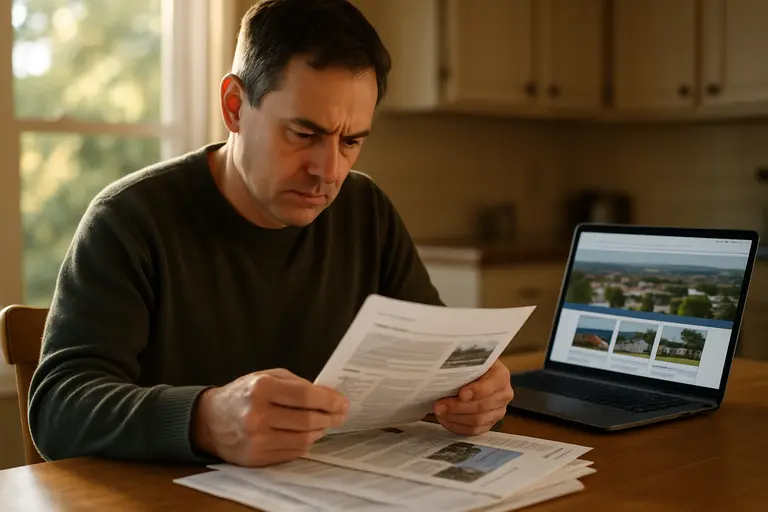
Official notices often provide enough information to help residents prepare focused questions. For the remaining meetings, residents can ask local staff to explain which projects are already funded, which depend on voter approval, and which are still in study form. They can also ask whether cost estimates include design, construction, land acquisition, utility relocation, contingencies, and future maintenance. Those details are often central to infrastructure planning because they show whether a posted project is a concept, a funded capital item, or a construction-phase action.
For transportation and traffic-calming meetings, residents can ask how agencies will measure safety, access, and traffic impacts before and after construction. For water, sewer, watershed, or drainage topics, residents can ask how the local government is defining service needs, environmental protection, and project sequencing. For public buildings, schools, fire stations, and civic facilities, residents can ask whether the plan addresses accessibility, seismic or structural needs where listed, and long-term operations.
The supported research does not provide full agendas, staff reports, design drawings, or cost breakdowns for every listed jurisdiction. That means residents should treat this roundup as a timing and topic tracker, not as a substitute for each local government’s full meeting packet. Where a meeting has passed, the next step is to check the official minutes, video archive, staff presentation, or bond information page if the local government posts those records.
How To Track The Public Record
A practical way to follow these processes is to separate the items by decision stage. Listening sessions and planning study meetings usually collect input before formal adoption. Public hearings are tied to a proposed action, such as a zoning text amendment or bond resolution. Bond referendum meetings explain what may appear before voters. Pre-construction meetings usually occur after a project has advanced far enough for work impacts to be discussed.
That distinction can reduce confusion for residents who are deciding where to spend limited time. A person concerned about project need may focus on bond and planning meetings. A person concerned about construction disruption may focus on pre-construction notices. A person concerned about growth patterns may follow master plans, corridor studies, and plan policy recommendations.
Readers interested in comparing civic participation models in different regions might find valuable community engagement insights at Houston LWS Forum, a related site in the same network.
Infrastructure Planning Opportunities Still Ahead
Civic Steps Before Ballot And Construction Decisions
Based on the official local postings summarized in the research notes, the clearest remaining opportunities after September 11, 2026, are in Spotsylvania County, Hillsborough County, Miami Beach, and Grand Prairie. Berkeley’s measure is set for the November 2026 ballot after its public input phase ended, according to the research notes. Solana Beach had completed its first public update on September 9, 2026, with construction listed for October 2026.
For households, the practical value of these meetings is specific: they provide a way to ask how local governments will prioritize safer streets, public facilities, drainage, water and sewer capacity, and other public works needs. For community organizations, the same meetings can clarify deadlines for comments, ballot education, or construction impact planning. For local officials, the record created at these sessions can document the questions residents raised before project lists, bond packages, or construction schedules moved forward.
The supported record shows that infrastructure planning is not one event type. It can appear as a master plan meeting, a corridor study, a bond program committee, a public hearing, a pre-construction briefing, or a ballot measure. The next civic step is to match the meeting date and decision stage to the issue at hand, then use the official local record to follow what changes after public comments are received.