

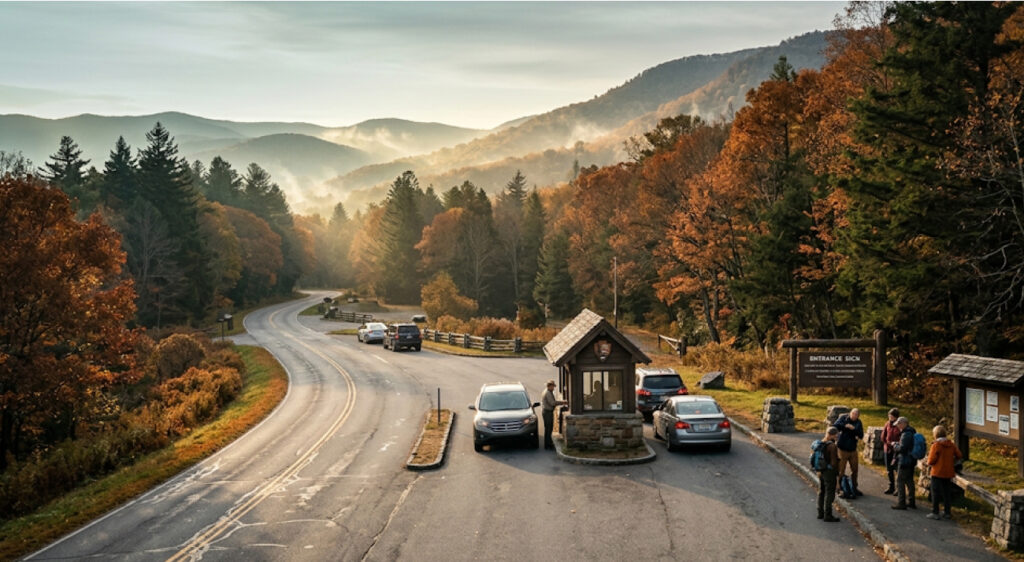
Visitors across the United States have an opportunity to explore national parks without paying the standard entrance fee on Tuesday, October 27, 2026. The National Park Service designated the date as a fee-free day in recognition of Theodore Roosevelt’s birthday, giving eligible visitors another chance to experience America’s protected landscapes, historic landmarks, and outdoor recreation areas.
The offer applies to National Park Service sites that normally charge entrance fees, but several restrictions matter. In 2026, free admission days are limited to U.S. citizens and residents. International visitors generally remain subject to standard entrance charges and applicable nonresident fees. Camping, special tours, transportation, and reservation costs may also remain in place.
The October 27 event is one of eight designated National Park Service fee-free dates listed for 2026. With Veterans Day on November 11 serving as the next and final scheduled fee-free date of the year, visitors have a limited window to plan another trip without paying a standard entrance fee.
For travelers, families, hikers, and people interested in American history, the event provides a practical reason to explore a nearby park. It also offers an opportunity to learn about Theodore Roosevelt’s conservation legacy and the role public lands continue to play in recreation, environmental protection, and community life.
How The October 27 Free Admission Day Works
The National Park Service identifies October 27 as a fee-free entrance day in honor of Theodore Roosevelt, the 26th president of the United States. The agency’s official entrance pass information lists the date among its 2026 fee-free opportunities.
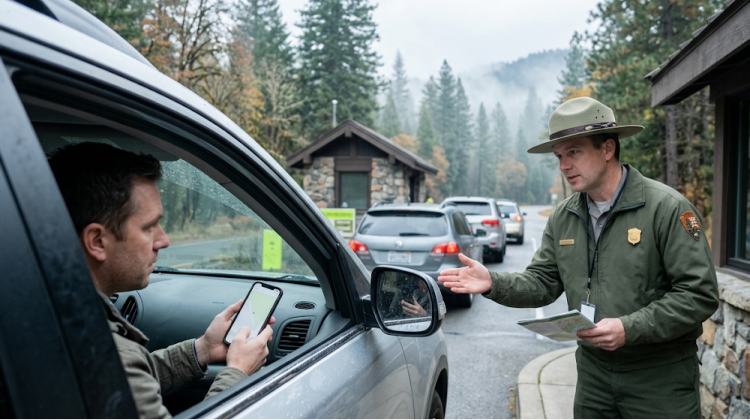
The waiver covers the standard entrance fee at National Park Service locations that ordinarily charge visitors for entry. This can make a meaningful difference for households planning a day trip, especially at parks where entrance charges are assessed per vehicle or per person.
However, the offer does not mean every activity or service inside a national park becomes free. Visitors may still have to pay for camping, lodging, parking, shuttle transportation, guided tours, special-use permits, or reservations. Some locations also require advance arrangements for specific attractions or activities.
Another important distinction is that many National Park Service sites already offer free entry throughout the year. The National Mall in Washington, D.C., for example, does not charge a general entrance fee for its many monuments and memorials, although some attractions require tickets or reservations and may involve service charges.
Visitors should therefore check the individual park’s website before setting out. The National Park Service maintains a searchable directory at Find a Park, where travelers can review operating hours, directions, alerts, and visitor information.
Who Qualifies For Free Entrance In 2026?
The eligibility rules are especially important this year. According to the National Park Service, the 2026 fee-free entrance days apply to U.S. citizens and residents. International visitors generally must pay the applicable standard entrance fee, as well as any additional nonresident charges that apply at designated parks.
This restriction means that visitors should not assume the October 27 waiver applies equally to everyone traveling together. International tourists visiting a park with U.S. residents should check the entrance rules for their particular destination before arriving.
The National Park Service also introduced a $100 nonresident fee for visitors aged 16 and older at 11 designated national parks in 2026, in addition to the standard entrance fee, unless an eligible annual pass covers the applicable charges. The listed parks are Acadia, Bryce Canyon, Everglades, Glacier, Grand Canyon, Grand Teton, Rocky Mountain, Sequoia and Kings Canyon, Yellowstone, Yosemite, and Zion.
The fee-free day does not automatically remove these charges for international visitors. Travelers can review the current rules and pass options through the agency’s entrance pass guidance.
For eligible U.S. citizens and residents, the waiver can reduce the cost of entering participating parks. Yet it remains wise to confirm the policy at the destination, particularly where reservations, transportation, or other services are managed separately from the entrance gate.
Which National Parks Can Visitors Explore?
The October 27 waiver applies to National Park Service sites that normally charge an entrance fee. That includes many of the country’s best-known national parks, although weather, seasonal closures, road conditions, and local operating schedules can affect what visitors can do.
Yellowstone National Park
Spanning parts of Wyoming, Montana, and Idaho, Yellowstone offers geothermal features, wildlife habitat, forests, and extensive hiking opportunities. Visitors may explore areas around Old Faithful, the Grand Canyon of the Yellowstone, and Mammoth Hot Springs, depending on seasonal access and current conditions.
October brings cooler temperatures and changing weather, so visitors should check road status and trail conditions before traveling. Wildlife may be active, and visitors must maintain safe distances from animals, including bison and elk.
The park’s official fees and passes page provides entrance information and links to planning resources.
Yosemite National Park
In California’s Sierra Nevada, Yosemite National Park is known for granite landmarks such as El Capitan and Half Dome, as well as Yosemite Valley, waterfalls, and forested trails. Autumn can offer a different experience from the busy summer season, although water levels, road access, and weather conditions vary.
Visitors should check current alerts before departure, particularly if they intend to hike at higher elevations or travel on mountain roads. Some activities require permits or advance planning, and the entrance fee waiver does not remove those requirements.
The park’s official fee information explains entrance policies and pass options.
Mount Rainier National Park
Located in Washington State, Mount Rainier National Park offers mountain scenery, old-growth forests, subalpine meadows, and trails that range from short walks to demanding hikes. October conditions can change quickly, with colder temperatures and possible snow at higher elevations.
Visitors should choose activities that match their experience and equipment. Checking road conditions, weather forecasts, and park alerts is particularly important for anyone planning to travel beyond lower-elevation visitor areas.
The Mount Rainier National Park fees page provides information about entrance policies and payment procedures.
These examples illustrate the range of experiences available on a fee-free day. Visitors do not need to travel to a famous destination, however. A nearby national monument, historic site, or other fee-charging National Park Service location may offer a more affordable and practical day trip.
Theodore Roosevelt’s Lasting Conservation Legacy
The October 27 date recognizes a president whose administration helped expand federal conservation efforts. Theodore Roosevelt was born on October 27, 1858, in New York City and served as president from 1901 to 1909.
During his presidency, Roosevelt made conservation a major part of federal policy. According to the National Park Service, he established five national parks, 150 national forests, 51 federal bird reserves, four national game preserves, and 18 national monuments under the authority of the Antiquities Act of 1906. The agency estimates that approximately 230 million acres of public land were protected during his presidency.

The Antiquities Act gave presidents authority to designate national monuments on federal lands to protect objects of historic or scientific interest. Roosevelt used this authority to preserve sites and landscapes that might otherwise have faced development or resource extraction.
His conservation record also included the establishment of the United States Forest Service in 1905, led by Gifford Pinchot. These measures helped establish a federal role in managing forests, wildlife habitat, historic sites, and other natural resources.
The National Park Service itself was created in 1916, seven years after Roosevelt left office. Its modern responsibilities include protecting natural and cultural resources, providing visitor access, and supporting education about the places under its care.
Readers can explore this history through the agency’s resources on Theodore Roosevelt and conservation. The fee-free day connects that legacy with contemporary opportunities for people to experience public lands firsthand.
How To Plan A Successful Fee-Free Visit
Free entrance can reduce one part of a trip’s cost, but planning still matters. Popular parks can experience increased visitor demand during special events, and autumn weather can complicate travel in mountain and northern regions.
Visitors should begin by checking the park’s official website for operating hours, road closures, trail conditions, and alerts. Some roads, visitor facilities, and campgrounds close seasonally, while others operate on reduced schedules.
It is also useful to distinguish between entrance access and reservations. A fee waiver does not guarantee a parking space, campsite, tour ticket, or entry to an attraction with a separate reservation system. Where timed-entry or advance booking rules apply, visitors should follow the park’s current instructions.
A few simple preparations can help make the trip safer and more enjoyable:
- Check conditions before leaving: Review official alerts, weather forecasts, and road information for the specific park.
- Budget for remaining costs: Account for parking, fuel, food, camping, transportation, permits, and other services that are not included in the entrance waiver.
- Prepare for seasonal conditions: Bring suitable clothing, water, food, navigation tools, and equipment for the activities planned.
- Respect wildlife and park rules: Stay on designated trails where required, maintain safe distances from animals, and follow instructions from park staff.
- Have a backup destination: If a popular park has limited access or unfavorable conditions, consider another nearby National Park Service site.
The agency’s official trip-planning directory is a useful starting point for identifying destinations and checking the latest visitor information.
The Final Fee-Free Day Of 2026 Is Coming In November
For visitors who cannot travel on October 27, the National Park Service has one more scheduled fee-free entrance day remaining in 2026: Veterans Day on November 11.
The annual calendar also included Presidents Day on February 16, Memorial Day on May 25, Flag Day on June 14, Independence Day weekend from July 3 through July 5, the National Park Service’s 110th birthday on August 25, and Constitution Day on September 17.
These dates provide several opportunities to visit eligible federal park sites without paying the standard entrance fee. They do not eliminate every trip expense, and eligibility restrictions remain in effect.
Visitors who expect to explore several parks over the next year may also want to compare annual pass options. The America the Beautiful pass series covers qualifying entrance fees and may offer better value for people who visit federal recreation sites frequently. Pass eligibility, pricing, and coverage should be checked directly with the National Park Service before purchase.
For occasional visitors, October 27 provides a straightforward opportunity to explore a new destination, revisit a favorite trail, or learn more about the history and natural features protected by the National Park System.
The larger value of the day extends beyond the entrance fee itself. Public lands provide opportunities for outdoor activity, environmental education, historic interpretation, and time spent with family and friends. By checking the rules, preparing for seasonal conditions, and choosing a suitable destination, visitors can make the most of this year’s penultimate fee-free day.