

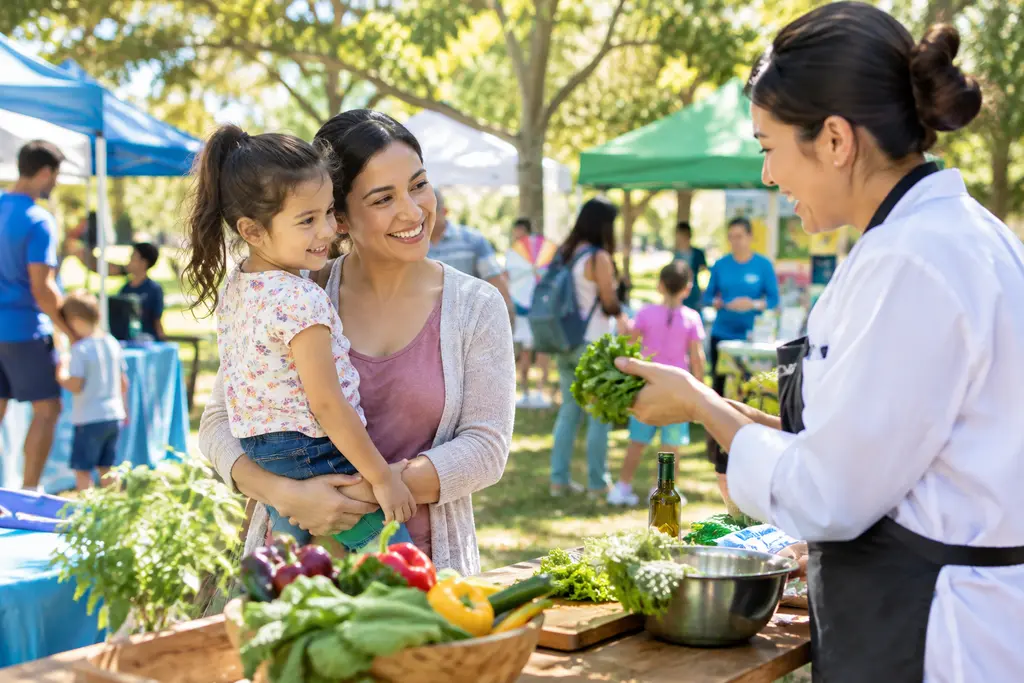
Several local wellness events scheduled for October 24, 2026, show how community health fairs can connect residents with health education, screening opportunities and wellness-focused gathering spaces. The available official listings reviewed here identify two same-day examples: the TeamCare Family Health Fair at Teamsters Local 135 in Indianapolis, Indiana, and Upson County’s “Cierra’s Sunshine Celebration” Health Fair & Breast Cancer Walk in Thomaston, Georgia.
What Local Wellness Events Show About Access
The clearest change for residents is not a new law, ordinance or capital project. It is the availability of scheduled, place-based wellness programming on a specific date. According to the IAB Health Productions health fair listing, the TeamCare Family Health Fair at Teamsters Local 135 was scheduled for October 24, 2026, in Indianapolis, Indiana. The same listing described vendor booth availability, including 13 approved vendor booths and 7 still open.
That vendor information matters for planning because it gives a limited but useful view into event capacity. A health fair built around vendor booths depends on participating organizations, and an official listing that identifies approved and open booths helps potential partners understand whether the event is still accepting participants. The source information does not specify the exact services offered at each booth, so service-level assumptions should be avoided unless the organizer publishes those details separately.
Local Wellness Events As A Same-Day Planning Issue
For residents, same-day health fair listings require careful verification. An event listed for October 24, 2026, may have time-sensitive registration, vendor availability or location instructions that are not fully captured in a short public listing. The official listing confirms the Indianapolis date, location city and booth status, but the available source details reviewed here do not identify parking arrangements, accessibility accommodations, language access, transit options or clinical services.
From a parks and recreation perspective, those missing details are not minor. Wellness initiatives often reach more people when residents can determine whether the site is physically accessible, whether the schedule fits caregiving or work responsibilities, and whether services match a household need. Because the cited listing does not provide those specifics in the research available for this article, residents and civic partners should rely on the organizer’s official page before making assumptions.
How Health Fair Formats Differ By Community
A second official listing points to a different health fair model. The Georgia Rural Health Innovation Center registration page listed Upson County “Cierra’s Sunshine Celebration” — Health Fair & Breast Cancer Walk for October 24, 2026, in Thomaston, Georgia. The listing describes a combined health fair and breast cancer awareness walk.
This structure differs from a vendor-booth listing because it pairs health fair activity with a walk tied to a specific health awareness focus. The official source information identifies the breast cancer theme, but it does not provide detailed clinical offerings in the research supplied here. For that reason, it would not be accurate to state that the event included particular screenings, providers or medical services unless those details appear in an official event notice.
Health Fairs With Walk Components
Walk-based wellness programming can serve several civic purposes when the event details are clear. It can create a visible community gathering, give participants a structured activity and connect health education with movement. In this Upson County example, the official listing supports only a narrow description: a health fair combined with a breast cancer walk in Thomaston on October 24, 2026.
For communities comparing local wellness events, that distinction is useful. One event listing highlights vendor participation and booth availability. The other highlights a health fair paired with an awareness walk. Both are wellness-related, but they may require different planning steps from residents, public agencies, nonprofit partners and businesses.
What Residents And Civic Partners Can Verify
Because the official source details are limited, the most useful next step is verification rather than assumption. Residents who are considering a health fair should confirm the event status, timing, site address, available services and access details through the organizer’s official notice. Civic partners should confirm whether vendor space remains open before preparing staff time, printed materials or outreach plans.
For health-related programming, public-facing information is strongest when it answers practical questions before a resident arrives. The official listings cited here establish the existence, date and basic format of two events. They do not establish every operational detail a resident may need.
- Confirm the exact event hours and whether registration is required.
- Check whether the site lists accessibility, parking or transit information.
- Review whether services are educational, screening-based or referral-based.
- Verify whether vendor or partner openings are still available.
- Use official organizer pages rather than reposted calendar summaries.
Local chambers, public agencies and nonprofit groups often help residents find community programs by keeping civic calendars visible. Readers comparing regional community notices may also review the related Richland Chamber site for a broader perspective on business and civic information sources.
Accessibility Questions To Ask Before Arrival
As a parks and recreation specialist, I read health fair listings with access in mind. If an event uses a union hall, church, community center, park building or outdoor route, residents may need to know whether the entrance, restrooms, walking route and seating areas meet their needs. The official source details reviewed for the Indianapolis and Thomaston events do not answer those questions, so it would be inappropriate to describe either event as accessible without direct confirmation from organizers.
That cautious approach protects residents and organizers. It also encourages better public notices. A wellness event notice that clearly states date, time, site access, service type and partner roles can reduce confusion for families, older adults, caregivers and residents with disabilities.
Local Wellness Events In Community Wellness Planning
The value of local wellness events is clearest when they are treated as part of community service planning rather than as isolated calendar items. The Indianapolis listing shows a booth-based health fair model with identified vendor capacity. The Thomaston listing shows a health fair linked with a breast cancer walk. Both were scheduled for October 24, 2026, but the official information available for this article supports only a limited analysis of their services.
For city departments, counties, chambers, employers, churches and nonprofit groups, the civic step is to make wellness programming easier to evaluate. That means publishing practical details early, keeping event pages updated, and stating what residents can expect at the site. It also means identifying whether an event is designed for education, screening, referrals, physical activity, social connection or some combination of those functions.
For residents, the strongest approach is to treat local wellness events as opportunities that still require confirmation. A listing can identify a date and basic format, but it may not answer every access or health-service question. The two official examples reviewed here demonstrate why careful sourcing matters: community wellness information is most useful when it is specific, current and directly tied to the organizer’s published notice.