

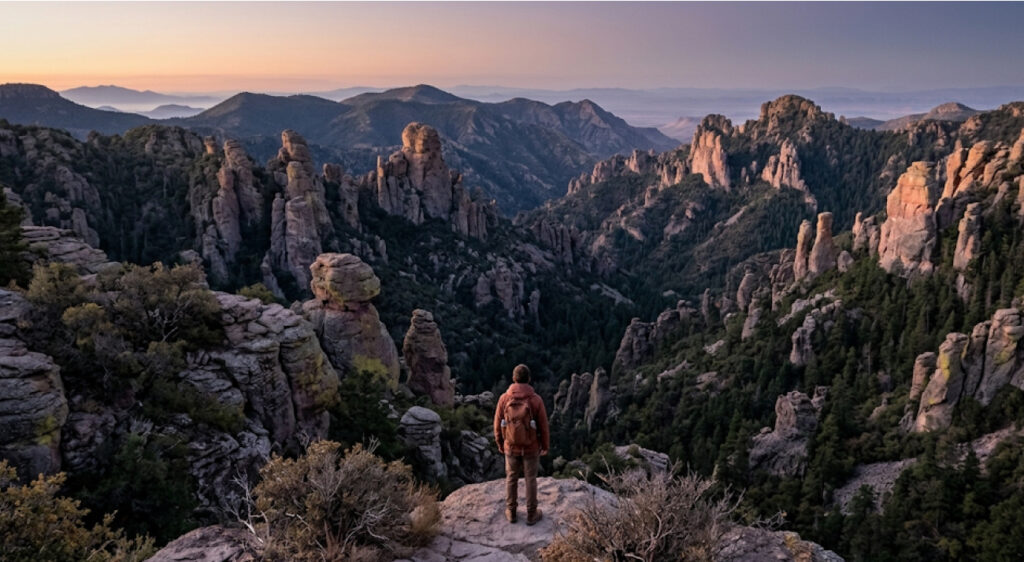
Chiricahua National Monument in southeastern Arizona has officially become Chiricahua National Park, marking a historic change for one of the Southwest’s most distinctive protected landscapes. President Donald Trump signed the Chiricahua National Park Act into law on October 20, 2026, making the site the 64th national park in the United States and Arizona’s fourth.
Located near Willcox in Cochise County, the new national park protects approximately 12,000 acres of towering volcanic rock formations, forested mountain slopes, wildlife habitat, and culturally significant places. Its distinctive rhyolite spires formed after a massive volcanic eruption roughly 27 million years ago, creating a landscape that stands apart from the surrounding desert and grasslands.
The redesignation follows years of bipartisan legislative work led by Arizona lawmakers, including Senator Mark Kelly and Representative Juan Ciscomani. Supporters say national park status will raise the area’s profile, encourage tourism, and reinforce recognition of its natural and cultural importance.
However, the new designation does not automatically mean expanded boundaries, additional facilities, or a larger operating budget. The park will continue to offer its established hiking, camping, scenic driving, birdwatching, and wildlife-viewing opportunities while the National Park Service maintains responsibility for protecting its resources.
The change represents a new chapter for a landscape that has been federally protected since 1924.
Chiricahua National Park Becomes Arizona’s Fourth National Park
The October 20 signing of the Chiricahua National Park Act formally changed the protected area’s designation from national monument to national park. The National Park Service and the U.S. Department of the Interior announced the change, describing Chiricahua as a nationally significant landscape with exceptional geological features, biodiversity, and cultural history.
Arizona now has four national parks: Chiricahua, Grand Canyon, Petrified Forest, and Saguaro. The designation also makes Chiricahua the first new national park in the country since New River Gorge National Park and Preserve in West Virginia received its designation in 2020.
Interior Secretary Doug Burgum welcomed the change, pointing to the park’s towering rock spires, Apache heritage, and diverse wildlife. He said the new status could help attract visitors and strengthen local economies in southeastern Arizona.
The legislation emerged from a bipartisan effort involving lawmakers in both chambers of Congress. Senator Mark Kelly first introduced legislation to establish Chiricahua as a national park in 2021. Senator Ruben Gallego joined the more recent Senate effort, while Representatives Juan Ciscomani and Greg Stanton advanced the measure in the House.
According to Senator Mark Kelly’s October 20 announcement, the House passed the legislation in March 2026 and the Senate followed in September. President Trump’s signature completed the process.
Representative Ciscomani, whose district includes the area, described the legislation as the result of nearly a decade of work. Local officials also welcomed the change, citing opportunities for tourism, business investment, and greater recognition of Cochise County.
A Landscape Created By Ancient Volcanic Activity
Chiricahua’s defining feature is its collection of tall, narrow rock pinnacles, balanced boulders, and dramatic formations spread across a mountainous landscape. The formations developed after a major volcanic eruption approximately 27 million years ago deposited thick layers of ash and other volcanic material across the region.
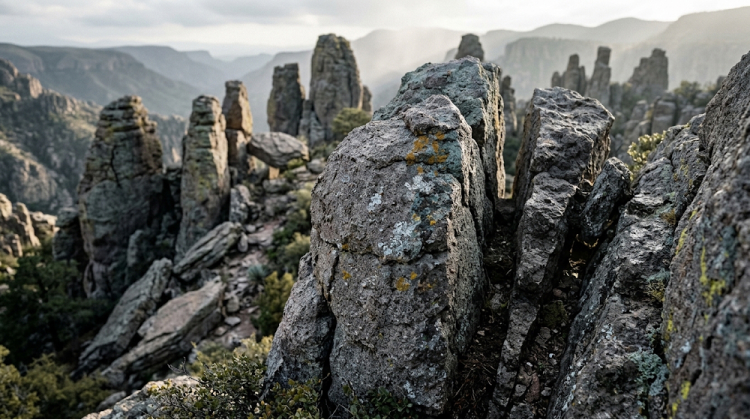
Over time, that material cooled into rhyolite, a volcanic rock that fractured as it weathered. Water, temperature changes, and erosion gradually widened cracks and separated the rock into columns and irregular formations. The result is a maze of spires and boulders that gives the area its distinctive appearance.
The park sits within the Chiricahua Mountains, part of a network of isolated mountain ranges in the Southwest often called “sky islands.” These elevated areas rise above surrounding desert and grassland, creating different environmental conditions over relatively short distances.
As elevation increases, visitors encounter changes in vegetation, temperature, and wildlife habitat. Desert plants and grasslands give way to woodland and forest environments, providing a range of ecological niches within a relatively compact protected area.
This mixture of habitats supports wildlife and makes Chiricahua a destination for birdwatching, nature photography, hiking, and scenic exploration. The combination of rugged geology and varied ecosystems also gives researchers opportunities to study how species adapt to changing elevation, climate, and habitat conditions.
The National Park Service provides geological and visitor information through the official Chiricahua National Park website. Visitors can use the agency’s resources to learn about the rock formations, trail system, natural history, and current park conditions before planning a trip.
What Changes For Visitors After The Redesignation?
For people planning a visit, the most immediate change is the park’s official name and its recognition as part of the national park network. The National Park Service has said that hiking, camping, scenic drives, wildlife viewing, and other existing activities will continue.
The designation itself does not mean visitors should expect a new road system, additional trails, or a major expansion of park facilities. Reporting by The Washington Post cited Sanober Mirza of the National Parks Conservation Association, who said the change did not provide additional funding or expand the park’s boundaries.
That distinction is important because national park status can create expectations that new services and infrastructure will appear immediately. In practice, the legal change and the operational work of managing a park are separate matters.
Visitors should continue to review official notices for trail conditions, road access, camping arrangements, and any temporary restrictions. Weather, maintenance work, and resource-protection needs can affect access regardless of the park’s designation.
Travelers should also prepare for a remote destination. Chiricahua is in southeastern Arizona, near Willcox, rather than close to the state’s largest urban centers. Planning fuel, food, lodging, and travel time before departure can make a visit more manageable, particularly for people combining the park with other destinations in Cochise County.
The park’s official National Park Service visitor information should be the first stop for current planning details. Checking the site shortly before travel is more reliable than assuming all facilities operate on the same schedule throughout the year.
Chiricahua’s Apache Heritage And Cultural Significance
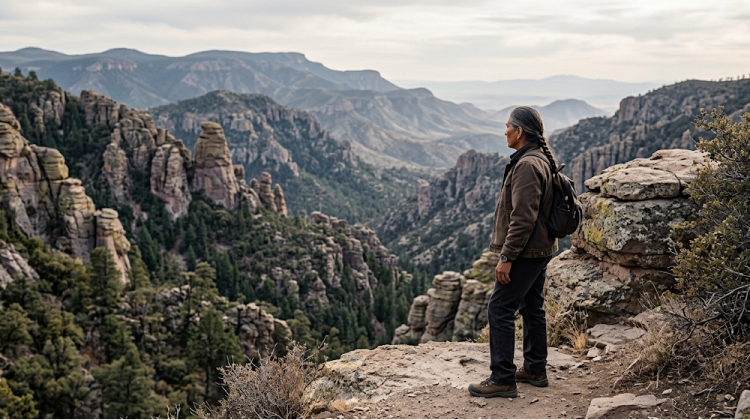
Chiricahua’s importance extends well beyond its geology. The area is part of the ancestral homeland of the Chiricahua Apache, whose history and cultural relationships with the region are central to its significance.
The landscape contains places connected to Indigenous history, traditional use, and cultural memory. The new law includes protections for traditional cultural and religious sites and preserves access for Tribal members to carry out traditional and customary uses, according to Senator Kelly’s office.
Those provisions matter because national parks and monuments can carry different meanings for different communities. For visitors, the formations may be a destination for hiking and photography. For Indigenous communities, the same landscape can hold deep cultural, historical, and spiritual meaning.
The region also preserves evidence of later settlement. Faraway Ranch, associated with early homesteading families, is part of the park’s historical story. Its presence illustrates how the area’s history includes multiple periods of human use and occupation.
A responsible visitor experience should recognize those overlapping histories rather than treating the park solely as a scenic backdrop. Following posted rules, respecting closed or sensitive areas, and learning about the Indigenous history of the region help visitors appreciate the site’s cultural dimensions.
The National Park Service’s history and culture resources provide additional context about the people, events, and traditions connected to the area.
As the park receives greater attention under its new designation, communicating its cultural significance will be as important as promoting its rock formations and hiking routes.
Tourism And Economic Opportunities For Southeastern Arizona
National park status can increase a destination’s visibility, especially when a designation generates national news coverage and attracts travelers who aim to visit every U.S. national park. For Willcox and surrounding Cochise County communities, that attention could create new opportunities for businesses that serve visitors.
Hotels, restaurants, fuel stations, outfitters, guides, and other local businesses may benefit if more travelers include Chiricahua in their itineraries. The park could also become a stronger anchor for regional travel routes that combine outdoor recreation, local history, birdwatching, and visits to other southeastern Arizona destinations.
Willcox Mayor Greg Hancock said the new status could bring national recognition, tourism opportunities, and potential business investment to Willcox and the wider region. Those outcomes, however, will depend on actual visitor behavior, local business readiness, transportation access, and the ability to provide services without damaging the resources that make the park attractive.
More visitors can also create management challenges. Increased demand may place pressure on parking, trails, restrooms, roads, and staff responsible for protecting natural and cultural resources. Additional traffic and visitor activity need to be managed so that growth does not undermine the qualities that helped secure the designation.
The key question is how the region can welcome visitors while preserving the quiet atmosphere and ecological character of the Chiricahua Mountains. Tourism planning, local business coordination, conservation investment, and accurate visitor information will all influence the outcome.
ITPR’s coverage of public parks and recreation developments follows how protected landscapes affect local communities and how public agencies balance visitor access with long-term resource management.
Conservation And Funding Remain Important Questions
Although the new designation provides national recognition, it does not resolve every challenge facing the park. The distinction between legal status and practical management is especially important when considering staffing, maintenance, infrastructure, and conservation needs.
The National Park Service remains responsible for managing trails, protecting habitats, maintaining visitor facilities, and interpreting the area’s history. These responsibilities require staff, equipment, long-term planning, and funding.
As The Washington Post reported on October 21, the redesignation did not include an automatic increase in the site’s budget or a boundary expansion. That means the park’s ability to make major operational improvements will continue to depend on existing resources and future funding decisions.
A higher public profile may help attract attention to conservation needs, but additional visitors also create demands. Trail erosion, wildlife disturbance, waste management, and pressure on facilities can increase as visitation rises. Maintaining the balance between access and protection will require consistent management.
The new designation also places a spotlight on the importance of maintaining cultural protections. Traditional sites and customary uses need to remain part of management decisions, alongside ecological preservation and visitor services.
For the public, one of the most meaningful measures of success will be whether Chiricahua can preserve its natural and cultural character while making the area accessible to future generations. A change in name may generate immediate excitement, but long-term outcomes will depend on how the park is managed over time.
Planning A Visit To America’s Newest National Park
Visitors interested in exploring Chiricahua should start with the official National Park Service website for the latest information on opening hours, road access, trails, camping, and visitor facilities. Because the new designation has attracted national attention, travelers should avoid relying on older pages that still refer to the site as Chiricahua National Monument.
Hiking is one of the park’s principal activities, offering opportunities to view the rhyolite formations from different elevations and perspectives. Visitors should select routes that match their fitness and experience, carry adequate water, and prepare for changing weather conditions. The region’s elevation and terrain can create conditions that differ from those in nearby desert communities.
Scenic driving provides another way to experience the landscape, while wildlife viewing and birdwatching can appeal to visitors who prefer a slower pace. Early planning can help travelers choose activities based on available time, seasonal conditions, and current restrictions.
Visitors should remain on established routes, avoid climbing unstable rock formations, and follow all posted guidance. Protecting the park means leaving natural and cultural features undisturbed and carrying out waste.
For people planning a broader southeastern Arizona trip, Willcox can serve as a base for lodging and supplies, while the surrounding region offers additional opportunities to explore local history and landscapes. Visitors should check travel distances carefully and avoid assuming that services are available immediately outside the park.
The most reliable preparation comes from consulting the official Chiricahua National Park site close to the planned visit. The park’s designation has changed, but safe and responsible recreation still depends on current information and thoughtful planning.
A New Name With A Long-Term Conservation Responsibility
Chiricahua National Park’s designation on October 20, 2026, gives Arizona its fourth national park and brings a remarkable southeastern landscape into greater national focus. The approximately 12,000-acre area is recognized for its volcanic rock spires, varied ecosystems, wildlife, and cultural significance to the Chiricahua Apache and other communities connected to its history.
The bipartisan legislation led by Arizona lawmakers marks the culmination of years of effort. It also creates an opportunity for Willcox and surrounding communities to attract visitors and support local businesses.
Yet the designation should be understood as a beginning rather than a guarantee of immediate investment or expanded services. The park’s boundaries and recreational opportunities remain largely unchanged, and continued conservation will depend on effective management, adequate resources, and respect for cultural protections.
For visitors, the best way to celebrate the new national park is to explore it responsibly, learn about its natural and human history, and follow the guidance of park staff. Preserving Chiricahua’s distinctive landscape will require more than a new name; it will require sustained care for the place and the communities connected to it.