
The Roy Blunt Luminary Park project moved into a new civic phase after the Kansas City Council passed Ordinance No. 260718 on September 3, 2026, authorizing the start of Phase One for a deck-park over the south loop of Interstate 670, according to the city’s city news release. For residents, the council action identifies the first construction package, the downtown blocks affected by that package and the public design elements the city has described for the future park space.
Roy Blunt Luminary Park Phase One
What The Council Authorized
The council action cited by Kansas City authorizes Phase One of the deck-park project over I-670’s south loop. The city described the project as a way to reconnect downtown areas divided by the interstate, with Phase One focused on tunnel infrastructure, one completed park block and related roadway work. That authorization is a formal city step, not simply a concept announcement.
For Roy Blunt Luminary Park, the distinction matters because the city’s September 3 action identifies a defined construction scope. Residents tracking downtown street access, event planning near the Convention Center or future public-space programming now have a specific ordinance and city release to follow when checking subsequent public notices.
What Phase One Covers
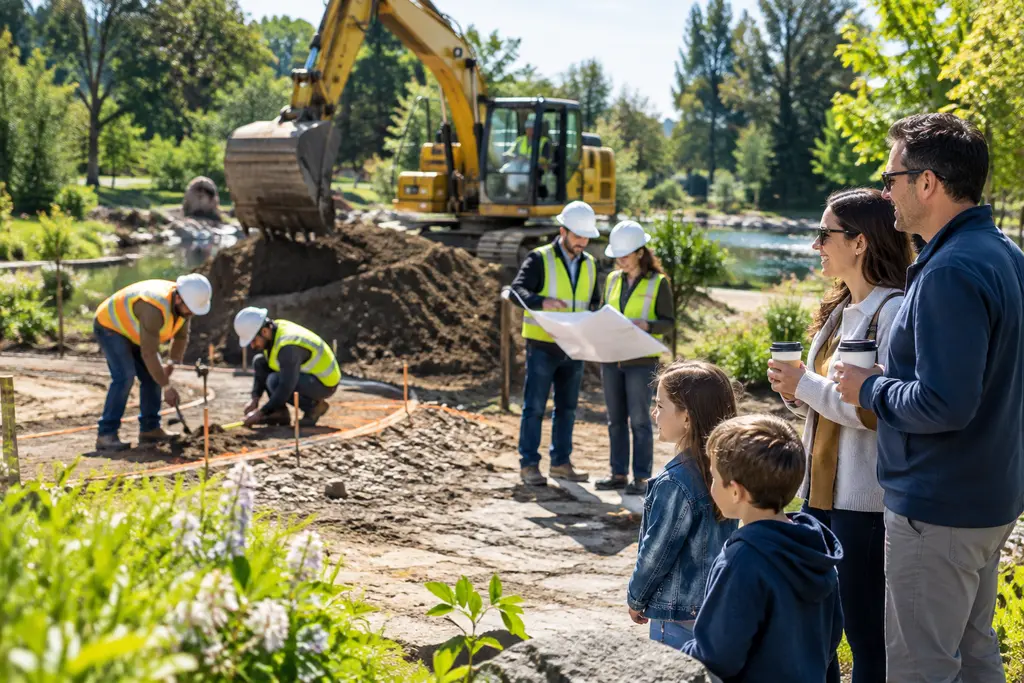
According to Kansas City’s release, Phase One includes full construction of three blocks of tunnel infrastructure, which the city described as roughly 50 percent of the total tunnel span, from Broadway Boulevard to Baltimore Avenue. The same release states that Block One park space will be completed from Wyandotte Street to Baltimore Avenue near the Convention Center.
The city also said Phase One includes a central Tunnel Systems Building spanning from Broadway Boulevard to Grand Boulevard. Kansas City’s release lists six blocks of new pavement and drainage upgrades on I-670 between Broadway Boulevard and Grand Boulevard as part of the same phase. Those elements show that the work is not limited to visible park landscaping; it also includes highway, drainage and operating systems needed to support the deck structure.
Construction Effects Residents Should Track
Street And Highway Details In Official Materials
The official city release identifies the I-670 corridor between Broadway Boulevard and Grand Boulevard as part of the Phase One pavement and drainage scope. It also identifies Broadway Boulevard, Baltimore Avenue, Wyandotte Street and Grand Boulevard in describing the tunnel, park block and systems-building limits.
Because those locations sit near downtown employment centers, convention activity and Crossroads-area travel patterns, residents and businesses should rely on posted city and transportation notices for exact closure dates, detour maps and access instructions. The official source material provided for this article supports the project scope and ordinance action; it does not, by itself, provide every traffic-control detail a commuter or business operator would need during construction.
Business And Event Access Questions
For downtown businesses, the practical questions are likely to be access, loading, visitor parking and event coordination. The city’s published Phase One scope places work near the Convention Center and across blocks that carry regional traffic, so business owners and event planners should watch for official construction communications tied to individual streets and ramps.
Residents should also distinguish between the council’s authorization and later construction notices. The ordinance action establishes that Kansas City approved the start of Phase One. It does not replace project-specific signage, permit notices or traffic updates that may be issued as crews move through different blocks.
Public Input Behind The Park Design
Roy Blunt Luminary Park Resident Questions
The public record described in the city docket memo shows that Roy Blunt Luminary Park was not advanced without documented public engagement. From 2023 through 2025, the project held four public meetings, more than 20 community, neighborhood and pop-up events, and received more than 2,700 survey responses, according to the official docket memo.
Those figures are useful for residents because they identify the scale of the formal engagement record. They do not answer every current construction question, but they show that the design process included multiple public channels before the September 3 council action.
How Comments Shaped The Public Record
The memo’s reference to public meetings, pop-up events and survey responses provides a documented base for future accountability. If residents want to compare final design decisions with earlier public priorities, the docket memo is the official place to begin. It can help residents understand which engagement activities were recorded before construction authorization moved forward.
Residents reviewing the record should focus on verifiable project documents rather than informal claims about design changes. Council dockets, permit postings and city updates are the records most likely to show whether new changes require further review or public comment.
Design Features Listed By The City
Accessible Spaces And Event Areas
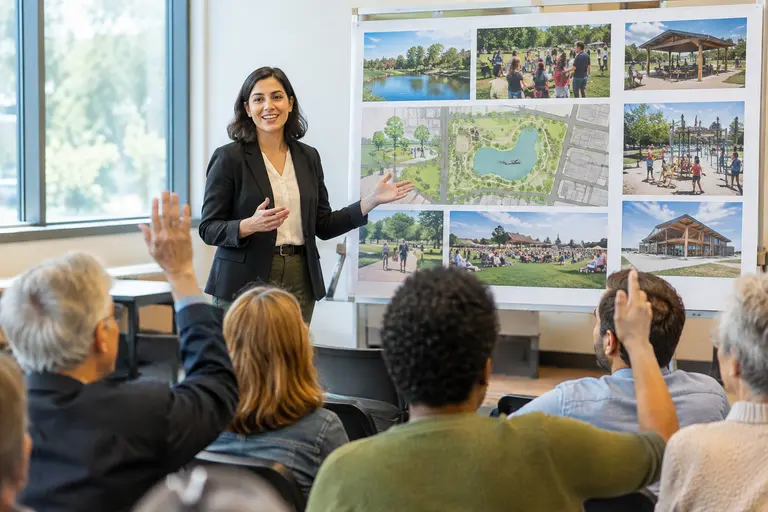
Kansas City’s release lists planned park features that include walking paths, terraces, picnic and woodland spaces, adventure play elements such as swings, slides and boulders, art and performance areas, and space for food trucks and community events. The city also described the planned features as accessible and inclusive.
Those details help explain why the project is more than a highway cap. The city’s description points to a public-space program designed for daily use, events and passive recreation. Residents evaluating the project can separate two questions: whether the infrastructure can be delivered as authorized, and whether the completed park programming meets the city’s stated public-space goals.
Why The Deck-Park Structure Matters
A deck-park differs from a conventional neighborhood park because it sits above active transportation infrastructure. The city’s Phase One scope reflects that difference: tunnel infrastructure, pavement work, drainage upgrades and a systems building are listed alongside park-block completion. Those elements are core to the project because the park space depends on a working structure over I-670.
That structure also explains why construction may affect more than park users. Drivers, transit riders, downtown workers, Convention Center visitors and nearby property owners may all need official updates as work progresses. To explore civic and community topics further, visit Saint Joseph Detroit, a related site covering regional public projects.
Roy Blunt Luminary Park Resident Engagement
How To Follow The Next Civic Steps
Residents who want to engage should start with official city records tied to Ordinance No. 260718 and the project docket. The most useful next steps are practical: monitor Kansas City Council agendas, review permit notices when posted, check official construction and traffic advisories, and submit comments through the channels identified in city notices.
For the Roy Blunt Luminary Park project, the civic record now includes a council ordinance, a defined Phase One scope, documented public engagement from 2023 through 2025, and a city list of planned public-space features. The next test for residents is not whether the project has a name or concept, but whether official construction notices, permit reviews and city updates give affected people enough information to plan around the work and comment on remaining decisions.