

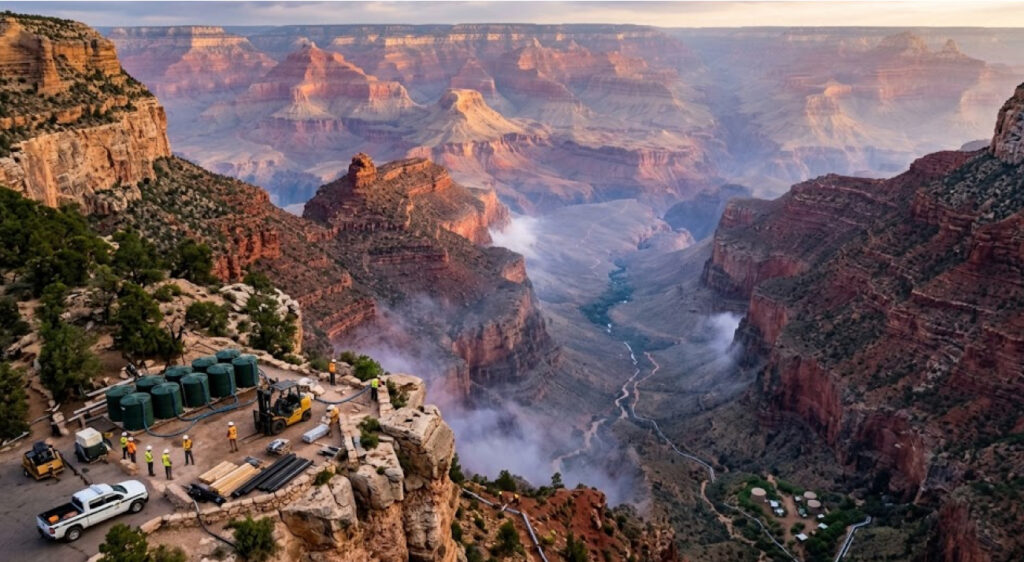
Grand Canyon National Park has established a tentative November timeline for restoring reliable water service to the South Rim following the destructive August 29 flash flood that damaged critical infrastructure in Bright Angel Canyon. The National Park Service now projects that crews could begin pumping water from a temporary intake at Bright Angel Creek to the new South Rim water treatment plant on November 16, 2026, with distribution to park residents potentially beginning by Thanksgiving.
The projected schedule represents an important milestone in a recovery effort that has already involved emergency water conservation, temporary facilities, infrastructure assessments and accelerated construction. It also comes after a second flash flood on September 16 damaged portions of the temporary water infrastructure being constructed as part of the recovery from the August disaster.
The original August 29 flood destroyed a water intake pump and damaged approximately 40% of the legacy Transcanyon Waterline between the Phantom Ranch area and the North Rim. The Bright Angel Creek and Roaring Springs intake areas also sustained significant damage.
The water emergency has affected daily life on the South Rim as well as visitor services. Stage 4 water restrictions remain in effect, while portable water tanks, handwashing stations, portable showers and other temporary facilities are being used to reduce demand on the damaged system.
November 16 Is The Current Target For Pumping
The National Park Service announced the projected timeline on September 19, explaining that the Incident Management Team’s current construction schedule points to November 16 as the date pumping could begin from the Bright Angel Creek intake.
The plan is built around infrastructure that was already being developed before the flood.
The new Transcanyon Waterline system had been approaching the final stages of construction when the August disaster occurred. Importantly, the new pipeline infrastructure on the south side of the canyon was not damaged by the flood. The park subsequently accelerated efforts to bring that system into service while constructing a temporary intake to replace the destroyed facility.
The temporary intake is designed to pump approximately 500 gallons per minute, matching the capacity available before the flood. Once operational, it will feed water into the new pipeline system and allow the park to begin rebuilding its South Rim storage reserves.
The November date should therefore be viewed as the beginning of an important recovery stage rather than the moment when the water emergency automatically ends.
The NPS specifically describes all projected dates as tentative because construction conditions, weather and additional infrastructure problems could alter the schedule. That qualification became particularly relevant after the second September flash flood affected temporary recovery infrastructure.
For broader context on how major infrastructure projects influence outdoor recreation access, ITPR infrastructure reporting examines similar projects affecting parks and public recreation systems across the United States.
The Water System Must Recover In Stages
Restoring pumping capacity is only the first step.
According to the NPS, once pumps begin drawing water from Bright Angel Creek, it could take approximately 45 days to fully refill the South Rim storage tanks. That means the November 16 target does not represent an immediate return to full water reserves.
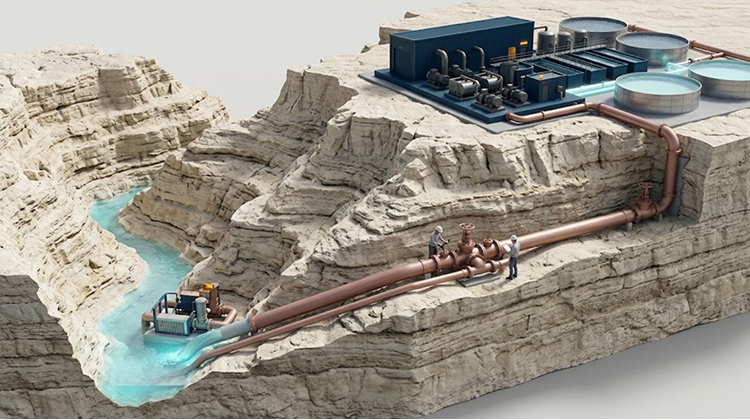
The park is therefore trying to maintain enough water in storage to continue operations until the new system can provide a dependable supply.
The NPS is also working on an agreement to haul approximately 200,000 gallons of water per day to replenish the storage tanks. If finalized, that supply would exceed the South Rim’s current potable-water consumption of approximately 137,000 gallons per day, assuming that consumption remains at its current level.
| Recovery Measure | Current Figure |
|---|---|
| Projected pumping start | November 16, 2026 |
| Temporary intake capacity | 500 gallons per minute |
| Potential supplemental water delivery | 200,000 gallons per day |
| Current potable-water use | Approximately 137,000 gallons per day |
| Estimated time to refill storage | Approximately 45 days |
| Projected distribution to residents | By Thanksgiving, if schedule holds |
The difference between those numbers illustrates how carefully the park is managing its remaining water reserves.
A supplemental supply of 200,000 gallons per day would give the park additional capacity to stabilize storage levels while construction continues. But that arrangement remains dependent on finalizing the agreement, and the projected November timeline depends on the current construction schedule holding.
The recovery is therefore being managed as a sequence of overlapping measures rather than a single repair.
The August Flood Damaged An Older Water Network
The current emergency has exposed the vulnerability of a water system that was already undergoing replacement.
The August 29 flood caused extensive damage to the legacy Transcanyon Waterline, including roughly 40% of the older pipeline between Phantom Ranch and the North Rim. The waterline is a critical piece of Grand Canyon infrastructure because it supports the South Rim community and visitor services across an extremely difficult landscape.
The park had already been replacing the aging system before the flood.
That distinction is important because the recovery is not simply a matter of rebuilding the damaged pipeline exactly as it existed before. The NPS is using the new water infrastructure that was already under construction as the foundation for restoring service.
The new system includes a South Rim water treatment plant and new pipeline infrastructure designed to provide a more dependable long-term water supply. The flood accelerated the need to place that system into service.
This creates an unusual overlap between emergency response and planned capital construction.
Rather than waiting for every component of the older system to be repaired, the park is working to establish a temporary intake that can feed the newer infrastructure. That approach allows the damaged legacy system and the new system to be treated differently within the recovery effort.
The result is a recovery strategy focused on getting the newer infrastructure operational while temporary measures bridge the remaining gap.
Stage 4 Water Restrictions Remain In Effect
While construction continues, Grand Canyon remains under Stage 4 water restrictions on the South Rim.
The restrictions were implemented after the August 29 flood and remain necessary because the park is operating without its normal water-supply system. Visitors and residents are being asked to conserve water, while the park uses designated portable bathrooms, handwashing stations and potable-water tanks to reduce demand.
Portable showers, laundry facilities and bottled drinking water have also been deployed around the community.
These measures demonstrate how a remote infrastructure failure can affect basic services throughout a major national park.
Water demand does not disappear simply because the supply system has been damaged. Residents still require water, concessionaires need utilities, visitors need sanitation facilities and park operations must continue. The difference is that each gallon now has to be managed against a constrained storage system.
The NPS is encouraging visitors to bring their own drinking water whenever possible and to continue conserving water during their visit. The park itself remains open on both the South Rim and North Rim, but visitors should expect modified operations and closures in affected inner-canyon areas.
The Grand Canyon current conditions page remains an important resource for visitors because water availability and access conditions can change as recovery work progresses.
Visitor Services Depend On The Water Timeline
The restoration schedule has direct implications for visitor services.
The park announced after the August flood that overnight hotel accommodations on the South Rim would close because of the water emergency. Stage 4 restrictions significantly reduced the amount of water available for normal visitor and concession operations.
The September 19 announcement provides a potential path toward a phased restoration of those services.
If pumping begins on November 16 and water distribution from the new treatment plant begins by Thanksgiving, concessionaires could begin gradually restoring services for overnight guests around that period. The NPS emphasized that the process would be phased rather than an immediate return to normal operations.
That approach reflects the difference between restoring a utility and restoring a visitor economy.
Hotels, restaurants and other concession operations need dependable water for bathrooms, food preparation, cleaning, laundry and other essential functions. Even if the treatment plant begins receiving water in November, the park must ensure that storage levels and distribution capacity are sufficiently stable before all services can return.
The estimated 45-day tank-refilling period makes this especially important.
A system can technically begin pumping while still operating below normal reserve levels. The park therefore has to balance the desire to restore visitor services against the need to maintain sufficient reserves in case construction or weather causes another disruption.
A Second Flash Flood Tested The Recovery
The November timeline became more complicated on September 16, when another flash flood moved through Bright Angel Canyon.
The second event did not result in reported injuries, but it damaged temporary water infrastructure that crews had been building to restore service after the August flood. The NPS specifically identified damage to the temporary Bright Angel Creek intake and associated infrastructure.
The event demonstrates the unusual conditions facing the recovery crews.
They are rebuilding water infrastructure in the same canyon environment that produced the original failure. That means construction schedules are influenced by weather, river conditions, access limitations and worker safety.
Before the September flood, the National Park Service had reduced the number of personnel working in the canyon because severe weather was approaching and flash-flood warnings were active. Remaining crews were able to reach safety before the flood passed through the area.
The NPS then had to assess the temporary intake to determine what repairs or modifications would be necessary and how the new damage would affect the overall restoration schedule.
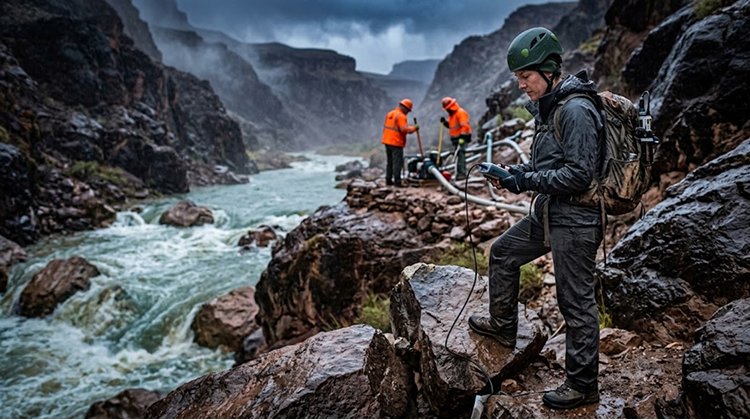
That second event makes the November target particularly significant because it demonstrates the narrow margin between planned construction progress and weather-related disruption.
Inner-Canyon Closures Continue Separately From The Water Recovery
The water timeline should not be confused with the reopening timeline for damaged inner-canyon areas.
The August 29 flood damaged trails, bridges, utilities and other infrastructure in Bright Angel Canyon. The National Park Service expanded closures on September 3 to include the South Kaibab Trail below the Tip-Off and the Bright Angel Trail below its intersection with the Tonto Trail.
Other affected locations include the North Kaibab Trail, Cottonwood Campground, Phantom Ranch, Bright Angel Campground, Black Bridge and Silver Bridge.
The NPS has not provided estimated reopening dates for those areas because crews must complete damage assessments, stabilization work and repairs before visitor access can safely resume.
This creates two distinct recovery tracks.
The first is the water emergency affecting the South Rim’s broader operations. The second is the physical restoration of trails and infrastructure in the inner canyon.
One system may begin returning to service while another remains closed.
That distinction matters for visitors planning trips in late 2026. The potential restoration of South Rim water distribution around Thanksgiving does not mean that Phantom Ranch, Bright Angel Campground or the North Kaibab Trail will necessarily reopen at the same time.
The Dragon Bravo Burn Scar Adds Another Risk
The park’s recovery is also taking place in a landscape where wildfire has changed flood behavior.
The Dragon Bravo Fire affected several watersheds that drain toward the Colorado River, including Bright Angel Creek. The NPS warns that burned areas are more vulnerable to flash flooding and debris flows, particularly during periods of heavy precipitation.
That matters because Bright Angel Creek is directly connected to the infrastructure recovery effort.
The NPS notes that in steep terrain, runoff can produce flash flooding within minutes. Debris flows can carry water, ash, mud, rocks and trees and can damage roads, buildings and other infrastructure, potentially many miles downstream.
The recovery therefore cannot be planned solely around repairing what was damaged on August 29.
Engineers also have to account for the possibility of additional weather events affecting the same watershed.
The September 16 flood demonstrated that this is a practical concern rather than a theoretical one. Temporary infrastructure can itself become exposed while crews are still trying to restore permanent service.
The New Water System Represents A Longer-Term Change
The current emergency is also accelerating a larger infrastructure transition at Grand Canyon.
The new pipeline infrastructure on the south side of the canyon survived both the August 29 and September 16 floods, according to the NPS. That makes the newer system particularly important to the park’s recovery strategy.
The goal is not simply to return the park to the water system that existed before August.
Instead, the temporary intake is being connected to newer infrastructure that was already nearing operational status before the flood. This creates a bridge between emergency recovery and a longer-term modernization effort.
The distinction is significant for a national park where infrastructure must operate across steep terrain, extreme weather and long distances from conventional utility networks.
A modern treatment plant and newer pipeline system can provide the foundation for more reliable service, but the intake remains dependent on the physical behavior of Bright Angel Creek and its surrounding watershed.
The November pumping target is therefore one step in a much larger infrastructure transition.
November Could Mark The Start Of A Phased Recovery
If the current schedule holds, November 16 will mark the beginning of a new phase in Grand Canyon’s water recovery.
Pumping from Bright Angel Creek could begin, water could move through the new treatment system, and distribution to residents could start by Thanksgiving. Concessionaires could then begin a phased restoration of overnight guest services.
But the timeline remains conditional.
Construction must remain on schedule. The temporary intake must be repaired or modified after the September flood. Supplemental water deliveries may need to continue until pumping begins. Storage tanks will require approximately 45 days to refill once pumping starts.
At the same time, Stage 4 restrictions remain necessary and inner-canyon closures continue while crews assess and repair flood damage.
| Recovery Stage | Current Status |
|---|---|
| Temporary Bright Angel Creek intake | Under construction and subject to additional repairs/modifications |
| New South Rim water infrastructure | Not damaged by either flood |
| Projected pumping start | November 16, 2026 |
| Projected resident water distribution | By Thanksgiving |
| Tank refill after pumping begins | Approximately 45 days |
| South Rim water restrictions | Stage 4 |
| Inner-canyon flood closures | Ongoing; no general reopening date announced |
The significance of the November target is therefore broader than a single date.
It represents the point at which the park hopes to transition from emergency water management toward operation of a newer permanent system. The process will still require conservation, monitoring and phased restoration, but it offers a measurable path forward after a disaster that disrupted one of the Grand Canyon’s most important utility networks.
For visitors, the practical message is that Grand Canyon remains open, but normal operations are returning on different timelines. South Rim water service, overnight accommodations, inner-canyon trails and flood-damaged facilities each have separate recovery requirements.
The November schedule gives the park a target. The 45-day tank-refilling period, ongoing construction and continued flood risk will determine how quickly that target becomes a broader return to normal operations.
In the meantime, the recovery at Grand Canyon illustrates how water infrastructure has become inseparable from visitor access. Roads and trails may provide the physical route into a national park, but reliable water determines whether residents, concessionaires and overnight visitors can safely remain there. The events of August and September 2026 have turned that relationship into one of the park’s most visible infrastructure challenges.