
Gold Strike Park moved from planning toward construction after the Arvada City Council approved a construction contract on September 15, 2026, while separate public hearings for first-reading ordinances were scheduled for October 6, 2026. According to the city’s September 15 meeting recap, the council approved a contract with Arrow-J Landscape & Design for the redevelopment project in an amount not to exceed $9,596,751.06, and several land annexation and rezoning ordinances were set for public hearings during the October 6 Council Business Meeting at 6:15 p.m. Arvada’s September 15 recap lists those council actions.
What Changed For Gold Strike Park
Gold Strike Park Public Hearings And Council Action
The key distinction for residents is that the September 15 action approved the construction contract for the park redevelopment. The October 6 hearings, as described in the city recap, were tied to ordinances that received first reading at the same council meeting, including annexation and rezoning proposals. Based on the official materials reviewed for this report, no separate upcoming public hearing specifically for reopening the approved park construction contract was identified.
That does not mean residents have no public-facing steps left to watch. Arvada’s council process still places the October 6 hearing date on the civic calendar for agenda items that received first reading. Residents who follow park access, nearby land use, traffic conditions near W. 56th Avenue and Sheridan Boulevard, or future trail connections may want to review the posted agenda for that meeting before deciding whether to submit written comments or speak during the public hearing period.
Contract Amount And Site Location
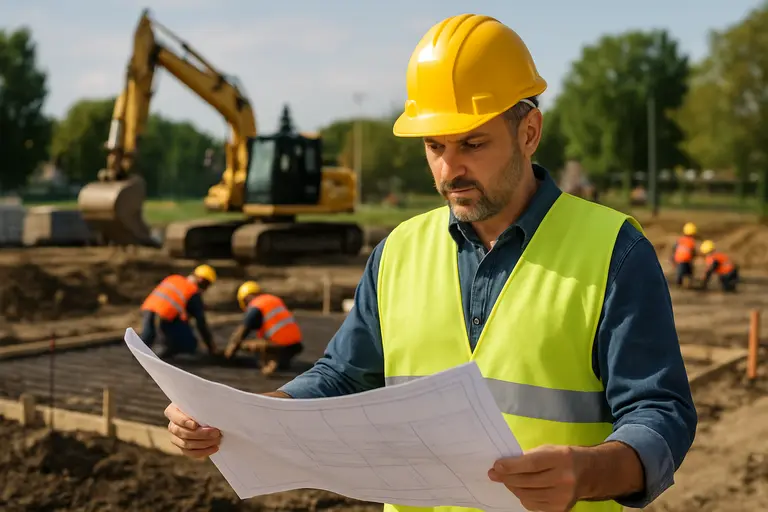
City project materials identify the redevelopment site as approximately 7.6 acres at 5500 W. 56th Ave., near Sheridan Boulevard, at the confluence of Ralston and Clear Creeks. The council-approved construction amount, not to exceed $9,596,751.06, places the project among Arvada’s larger active park investments. The city’s materials state that construction was anticipated to begin in fall 2026 and reach completion in fall 2028, barring unforeseen issues.
The timing matters for nearby households, trail users and families who use public outdoor spaces. A two-year construction window can affect how people approach the site, even when the finished project is intended to support broader recreation access. City materials said the development review process had been completed, allowing the project to move into bidding and procurement stages before the council contract action.
Public-Facing Events And Engagement Record
Ground Blessing Was A Past Event
The city’s project materials listed a Ground Blessing ceremony for Thursday, September 24, 2026, from 10:00 to 11:00 a.m. at the park site. Because that date had already passed as of September 28, 2026, residents should treat it as a past public-facing event rather than an upcoming opportunity. The public notice had requested RSVPs by September 16, which also had passed.
For residents who were unable to participate in that event, the more relevant civic step after September 28 was to monitor the October 6 council meeting materials and the project communication channels maintained by the city. The city’s engagement record matters because it shows that the current construction phase followed earlier planning work rather than beginning without prior public input.
Earlier Community Input Shaped The Design
Arvada’s public engagement page for the project states that decision-making included visioning and surveys in early to mid-2023, presentation of design alternatives in summer 2023, and a final schematic design report in early 2024. The city’s public engagement archive remains available through the Gold Strike Park engagement page.
Those steps are relevant for residents reviewing the project now because the council’s September 15 contract approval occurred after a documented sequence of public input and design work. The record does not mean every resident agreed with each design decision. It does show, based on the city’s official engagement materials, that the design process included public surveys, design alternatives and a final schematic stage before construction procurement advanced.
What The Redevelopment Includes
Park Features Listed By The City
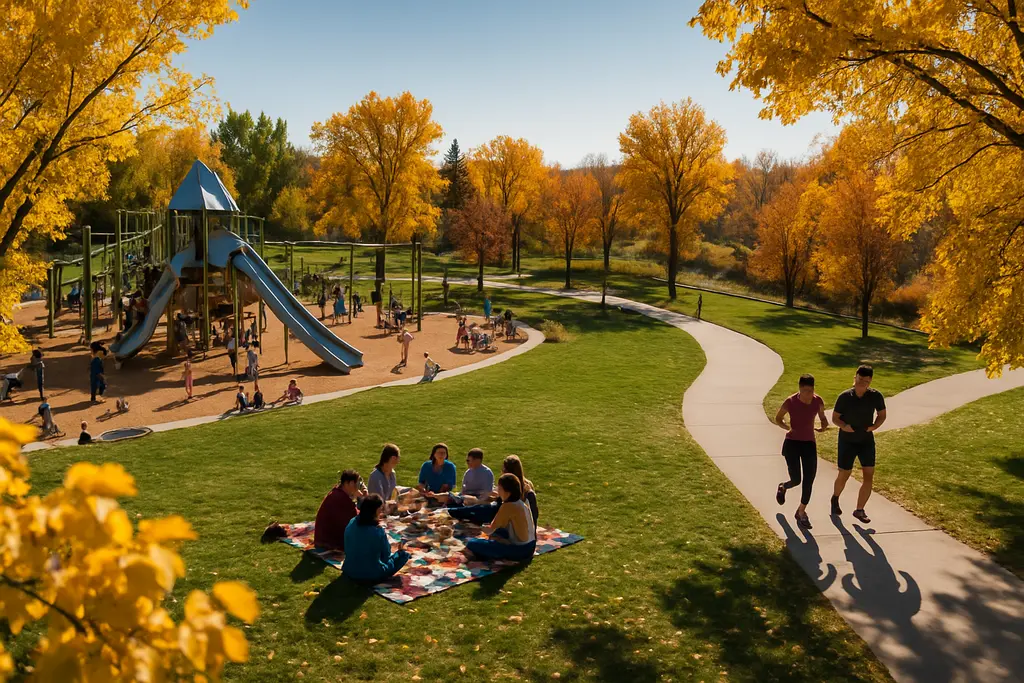
City project materials describe the final site plan as including a montane nesting forest, a wetland boardwalk, a riparian beaver lodge, a grassland buffalo herd, a prairie-dog bicycle playground, educational and picnic pavilions, a pedestrian bridge and connections to the regional trail system. These elements indicate that the redevelopment is not limited to one play area or one trail segment. It combines nature-themed play, gathering areas, interpretive features and trail access within the same public site.
From a community wellness perspective, the most direct local effect is access. Public parks can serve different users at different times: caregivers supervising children, older adults seeking a place to walk, people meeting neighbors outdoors, and cyclists or pedestrians using regional trail connections. The city’s listed design elements point to multiple types of use, but the practical outcome will depend on final construction, maintenance and how people reach the site once work is complete.
Funding Sources Identified In Project Materials
The city’s project materials identify funding sources that include a $7.3 million federal grant through the National Park Service’s Outdoor Recreation Legacy Partnership Program, managed by Colorado Parks & Wildlife, and a $750,000 grant from Great Outdoors Colorado through its Community Impact program. The city materials connect those funds to the redevelopment plan and the shift into construction.
For residents, the funding mix is worth watching because grants can define project scope, reporting requirements and delivery timelines. The council contract amount approved on September 15 is the construction action residents can now track through city meeting records, while the earlier grant awards explain why the redevelopment moved forward as a major park project rather than a smaller site repair.
Gold Strike Park Resident Checkpoints
How Residents Can Participate After September 28
Arvada’s public participation process, according to city meeting information summarized in the research materials, includes speaking during public hearings held at City Council Business Meetings and submitting written comments before 5 p.m. on the day of a council meeting for items on that agenda. Residents should check the official agenda for the October 6, 2026 Council Business Meeting to confirm which ordinances are listed and whether those items relate to their property, commute, park access or neighborhood concerns.
- Review the October 6, 2026 agenda before preparing comments.
- Separate comments about listed annexation or rezoning items from broader park construction questions.
- Use the city’s project communication channels for construction updates and schedule changes.
- Track access changes near 5500 W. 56th Ave. as construction begins.
The Gold Strike Park process now sits at the point where public records, construction planning and neighborhood routines intersect. The September 15 council action answered one question by approving the construction contract. It did not end every public-facing step related to nearby land use, meeting agendas or future construction communications. Residents who want to stay involved should rely on dated city notices and agenda materials rather than informal timelines.
Readers interested in broader civic developments beyond Arvada can access further regional insights and updates by visiting the Richland Chamber site. For Arvada residents, the immediate task is narrower: confirm the October 6 hearing agenda, identify whether any listed item affects them, and use the city’s stated comment process before the meeting deadline.