

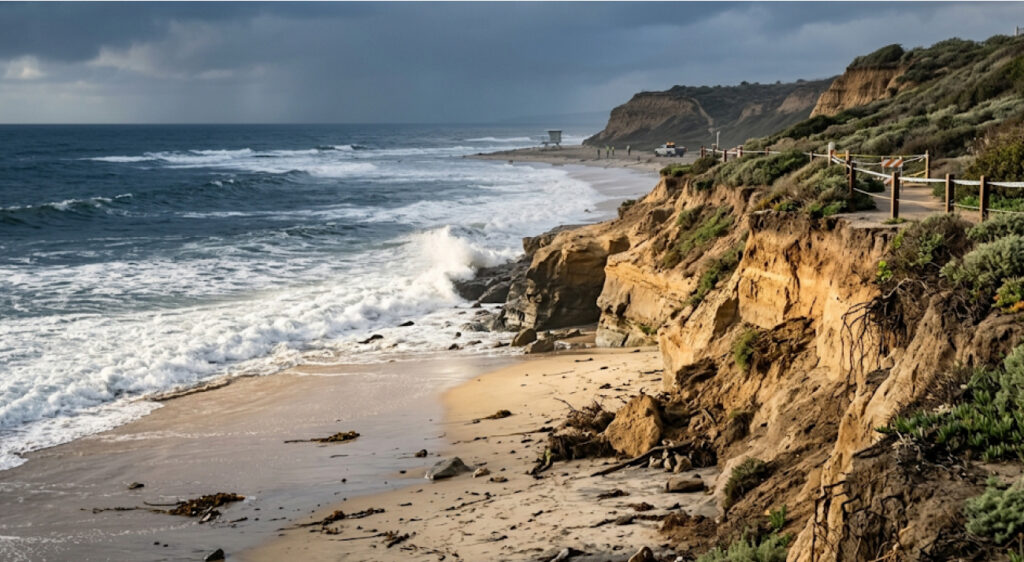
California’s Orange County coastline is facing a difficult recovery after powerful surf, elevated tides, and coastal flooding damaged public recreation areas at Crystal Cove State Park, Doheny State Beach, and San Onofre State Beach. In an October 15, 2026, update, California State Parks confirmed that emergency cleanup and infrastructure repairs were continuing at all three locations following impacts associated with Tropical Storm Rachel and Kelvin waves.
The damage has affected roads, parking areas, utilities, beach access, and historic park facilities. Although some areas are reopening, other sections remain closed because of unstable coastal bluffs, erosion, standing water, and unsafe working conditions. The response illustrates how quickly severe ocean conditions can disrupt public access along a heavily used stretch of Southern California coastline.
California State Parks officials say immediate priorities include protecting visitors, preserving natural and historic resources, restoring essential services, and coordinating repairs with local agencies and other partners. Longer-term planning is also underway to identify ways to reduce the vulnerability of coastal infrastructure.
The agency’s October 15 coastal storm recovery announcement provides the latest detailed account of conditions at the three parks. For visitors, the main message is that recovery is proceeding site by site, and an open park does not necessarily mean every beach entrance, parking lot, or facility is available.
Tropical Storm Rachel And Powerful Surf Damage The Orange County Coast
The latest round of coastal damage followed large surf and elevated tides associated with Tropical Storm Rachel and Kelvin waves. At Crystal Cove, Doheny, and San Onofre, the combination contributed to erosion, flooding, and damage to infrastructure close to the shoreline.
Coastal facilities are particularly exposed because roads, parking areas, utilities, and public amenities often occupy narrow strips of land between the ocean and steep bluffs or developed areas. When waves reach farther inland than usual, they can remove sand, undermine road edges, expose buried pipes, and deposit debris across recreation areas.
The effects extend beyond the immediate shoreline. Floodwater can interfere with drainage systems, while sand and debris can block parking areas or damage facilities. Erosion can also make access routes unsafe even when the beach itself remains visible and appears accessible.
California State Parks Orange Coast District Superintendent Scott Kibbey said the damage demonstrates the growing challenges coastal parks face from powerful ocean conditions. The agency is working with local, state, and federal partners on emergency repairs and longer-term coastal resilience measures.
The October 15 announcement does not provide a single overall repair cost or a common reopening date for all affected areas. Instead, officials are assessing conditions at individual sites and determining when specific facilities can safely return to service.
That distinction matters for the public. A beach may remain open for walking or surfing while vehicle access is restricted, or a park may welcome visitors while closing a particular stretch of shoreline because of bluff instability.
The California Coastal Commission provides broader information about coastal planning, shoreline protection, and development along California’s coast. The current park closures show how those long-term policy questions intersect with immediate maintenance and visitor-safety needs.
Crystal Cove State Park Faces Bluff Instability And Historic Resource Concerns
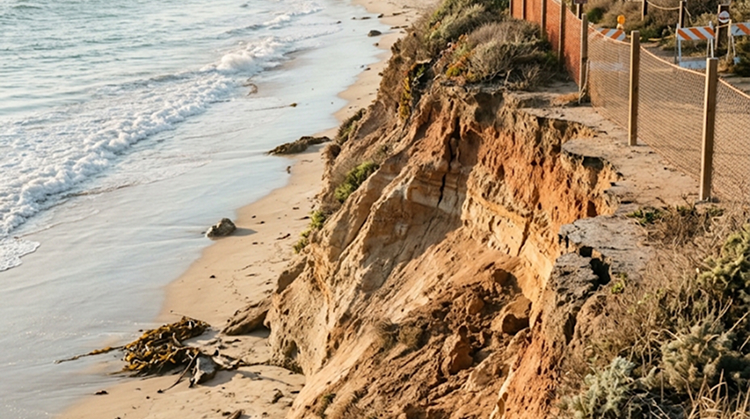
Crystal Cove State Park experienced some of the most significant damage reported in the October 15 update. Coastal erosion affected areas near the Historic District, damaged utilities, and raised concerns about the stability of coastal bluffs.
Portions of the Historic District beach remain closed because of erosion, high tides, large surf, and unsafe conditions. The trail and associated beach access are also closed until further notice while staff assess slope stability and evaluate options for restoring safe access.
The restrictions are especially important because Crystal Cove preserves a historic coastal district containing rustic beachfront cottages and other features associated with the area’s earlier development. Protecting these resources requires repairs that address both immediate safety concerns and the potential for further erosion.
North Beach Cottages began reopening on October 14, according to the state’s update, and reservations for those units resumed. That reopening is a positive development, but it should not be confused with unrestricted access to the Historic District beach or every nearby trail.
Another area of concern is Moro Cove, south of Lifeguard Headquarters. A significant crack and instability in the coastal bluff have kept the beach area closed until further notice. California State Parks is coordinating with the California Department of Transportation, or Caltrans, which is leading the associated stabilization and repair project.
Bluff instability can create risks even when there is no active wave impact at a particular moment. Cracks may indicate movement within the slope, and additional erosion or changes in ground conditions can make the area unsafe for pedestrians. Closing access while specialists evaluate the site helps prevent visitors from entering a potentially unstable zone.
State Parks is also working with the California Coastal Commission and other regulatory agencies to consider temporary emergency measures and longer-term approaches to protecting infrastructure, historic resources, and public access.
Visitors planning a trip should check the official Crystal Cove State Park page for current alerts and restrictions before setting out.
Doheny State Beach Remains Open As Cleanup Continues
Doheny State Beach in Dana Point remains open to the public, but recovery operations are continuing after coastal flooding and the accumulation of storm-related debris throughout the park.
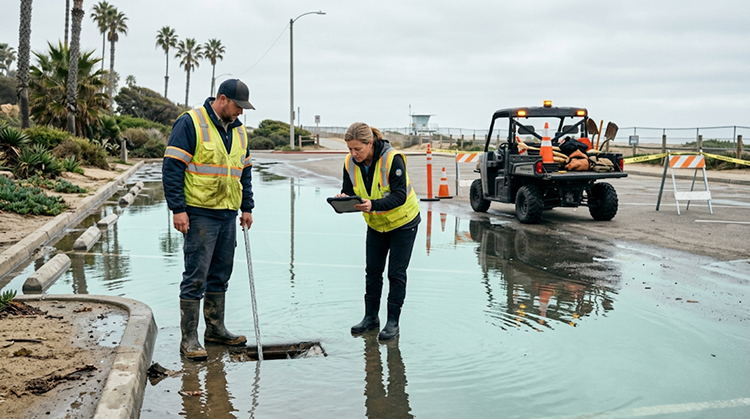
Some parking areas remain temporarily closed or restricted because of standing water and storm impacts. Maintenance crews are removing debris, clearing affected areas, and restoring facilities. State Parks is also inspecting and servicing stormwater drainage systems to help ensure they can manage additional runoff and reduce the risk of further flooding.
These tasks are important for a busy public beach, where access depends on more than the condition of the sand. Parking lots, drainage infrastructure, walkways, and nearby facilities all contribute to safe daily operations. If water remains trapped in a parking area or drains are blocked by debris, reopening that space before repairs are complete could create additional hazards.
Doheny’s recovery also requires coordination beyond the state beach itself. State Parks has been working with local partners on drainage, flooding, and cleanup needs. In an earlier update, the state described flooding near Parking Lot 3 in the North Day-Use Area, while the City of Dana Point issued a proclamation of a local emergency related to coastal flooding.
The current situation highlights why cleanup and infrastructure checks can continue after the most visible storm impacts have passed. Removing debris is only one part of recovery; drainage systems and facilities must also be assessed before normal use can safely resume.
Visitors can still enjoy Doheny State Beach, but they should follow posted signs and instructions from staff and allow room for maintenance crews to work. Parking availability may change as affected areas are cleared and inspected.
For current operating information, consult the official Doheny State Beach page, especially before visiting on busy weekends or during periods of unsettled coastal weather.
San Onofre State Beach Faces Road And Utility Repairs
At San Onofre State Beach, storm-related erosion and flooding have affected Surf Beach’s access road, parking areas, restroom facilities, and water infrastructure. The access road remains closed to vehicles because of damage and unsafe conditions.
Surf Beach remains open to pedestrians, bicyclists, and surfers outside designated construction or hazardous areas. The small upper paved parking lot has limited space, while the lower dirt parking lots remain closed to vehicle parking until further notice.
California State Parks is encouraging visitors to plan ahead, travel light, consider rideshare drop-offs, and use alternative access options where permitted. One suggested option is to park near Trail 1 and bicycle to Surf Beach, subject to posted conditions and access restrictions. People who require convenient vehicle access or nearby parking may find it more practical to choose another state beach until repairs progress.
Water service is another major concern. The water line serving Restroom 1 was damaged, leaving water and restroom facilities unavailable while repairs proceed. Restoring the line is essential not just for visitor convenience but also for maintaining basic sanitation at a heavily used recreation site.
The state is coordinating with the Surfrider Foundation, San Onofre State Parks Foundation, Achjachemen Nation, San Onofre Surfing Club, and U.S. Marine Corps Base Camp Pendleton, which owns the land, to assess shoreline protection and options for restoring additional parking over the coming months.
These repairs may take longer than routine cleanup because road access, buried utilities, and shoreline stability are connected. Work crews need to assess the damage and complete repairs without exposing visitors to active construction or further coastal hazards.
The official San Onofre State Beach page provides current alerts. Visitors should check it immediately before travel because restrictions may change as work progresses or new hazards emerge.
Why Coastal Recovery Requires More Than Clearing Debris
The damage across the three parks illustrates the difference between emergency cleanup and long-term coastal recovery. Removing debris and reopening a parking lot may restore a portion of public access, but roads, utilities, and facilities near an eroding shoreline can remain vulnerable to future storms.
At Crystal Cove, the immediate challenge includes assessing unstable bluffs and protecting historic facilities. At Doheny, drainage inspections and the removal of flood debris are central to restoring normal use. At San Onofre, road damage and a broken water line require infrastructure repairs before the affected services can return.
Each site therefore requires a different combination of engineering assessments, maintenance work, environmental review, and public-access planning. Temporary barriers and closures help protect visitors while officials determine whether repairs can address the immediate problem or whether a more extensive solution is needed.
California’s coastal planning agencies also face difficult decisions about how to protect public facilities in locations where erosion is a recurring process. Options may involve stabilizing slopes, relocating vulnerable infrastructure, improving drainage, or adjusting how certain areas are accessed. The appropriate response depends on local geology, environmental constraints, available funding, and the likelihood of additional damage.
The California Coastal Commission’s coastal resource information offers context for understanding the regulatory and environmental considerations involved in shoreline management. At the individual park level, California State Parks must balance those longer-term questions with the practical need to restore safe recreation as soon as conditions allow.
The October 15 announcement does not establish a final timeline for all repairs. State Parks says reopening decisions will depend on site conditions, the completion of necessary work, and confirmation that affected areas are safe for public use.
What Visitors Should Know Before Planning A Trip
People visiting Orange County’s beaches should check the status of their intended destination rather than assume that the entire coastline has reopened. The current restrictions differ substantially among Crystal Cove, Doheny, and San Onofre.
At Crystal Cove, portions of the Historic District beach and the beach area at Moro Cove remain closed. North Beach Cottages have begun reopening, but that does not mean every trail or beach entrance is available.
At Doheny State Beach, visitors can still visit the park, although some parking areas remain restricted while crews remove debris and inspect drainage infrastructure. Allow additional time and follow staff directions around work zones.
At San Onofre Surf Beach, vehicle access remains restricted because of road damage. Limited upper parking, closed lower lots, and unavailable water and restroom services may affect the suitability of a visit, especially for families or people who need accessible facilities. Separate park restrictions may also apply elsewhere within San Onofre State Beach.
Before leaving home, visitors should:
- Check official park alerts and current access restrictions.
- Confirm parking availability and whether essential facilities are operating.
- Avoid closed beaches, unstable bluffs, damaged roads, and marked construction zones.
- Follow directions from park staff and allow repair crews to work safely.
- Recheck conditions after changes in tides, surf, or weather.
The National Weather Service provides forecasts and coastal weather information, while California State Parks publishes location-specific restrictions. Checking both helps visitors make better decisions about travel and outdoor activities.
ITPR’s coverage of public park access and recreation follows similar developments across U.S. public lands, where visitor safety and infrastructure maintenance can determine how quickly communities regain access after extreme weather.
Coastal Resilience Will Shape The Next Phase Of Recovery
The immediate priority at Crystal Cove, Doheny, and San Onofre is to make damaged areas safe and restore essential services. Beyond those repairs, the state is also considering longer-term measures intended to reduce future damage and protect coastal resources.
That work comes as park managers contend with the inherent difficulty of maintaining public infrastructure beside an active ocean. Waves and tides continually reshape beaches, while storms can accelerate erosion and expose infrastructure that was previously protected by sand or soil.
A road that remains usable during ordinary conditions may become unsafe after the shoreline shifts. A utility line buried beneath a beach can become exposed, and a bluff that appears stable may develop cracks that require further investigation. Planning for these risks involves monitoring conditions and reassessing infrastructure over time.
At the same time, public beaches and historic coastal areas have significant recreational, environmental, and cultural value. Closing them indefinitely can limit access to important community spaces, while restoring access too quickly can put visitors and workers at risk.
California State Parks’ coordinated response reflects the need to balance these considerations. The agency is working with transportation officials, local governments, conservation organizations, tribal partners, and other stakeholders to address immediate damage and evaluate longer-term options.
There is no single solution that will eliminate coastal erosion across all three parks. Their different landscapes and infrastructure needs require site-specific assessments, and the timeline for restoring full access will depend on the work required at each location.
For now, the recovery remains a continuing process. Visitors can support that work by respecting closures, following official updates, and choosing recreation areas that are fully accessible for their needs.
A Measured Return To California’s Coastal Parks
The October 15 update from California State Parks shows that recovery from Tropical Storm Rachel and powerful ocean conditions is proceeding unevenly across Orange County’s coastline. North Beach Cottages at Crystal Cove have begun reopening, Doheny State Beach remains open with parking restrictions, and San Onofre Surf Beach continues to operate with significant limits on vehicle access and essential services.
At the same time, unstable bluffs, erosion, damaged utilities, standing water, and storm debris continue to affect public access. Repair timelines will depend on site inspections, completed work, and confirmation that affected facilities can safely reopen.
The experience at these three parks underscores the importance of maintaining coastal infrastructure while preparing for future storm impacts. For visitors, the safest approach is to check the latest park notices before every trip and treat posted closures as essential safety measures.
California’s coastal parks remain valuable places for recreation and conservation, but restoring them after severe ocean conditions requires careful coordination, sustained maintenance, and decisions grounded in the actual condition of each site.