

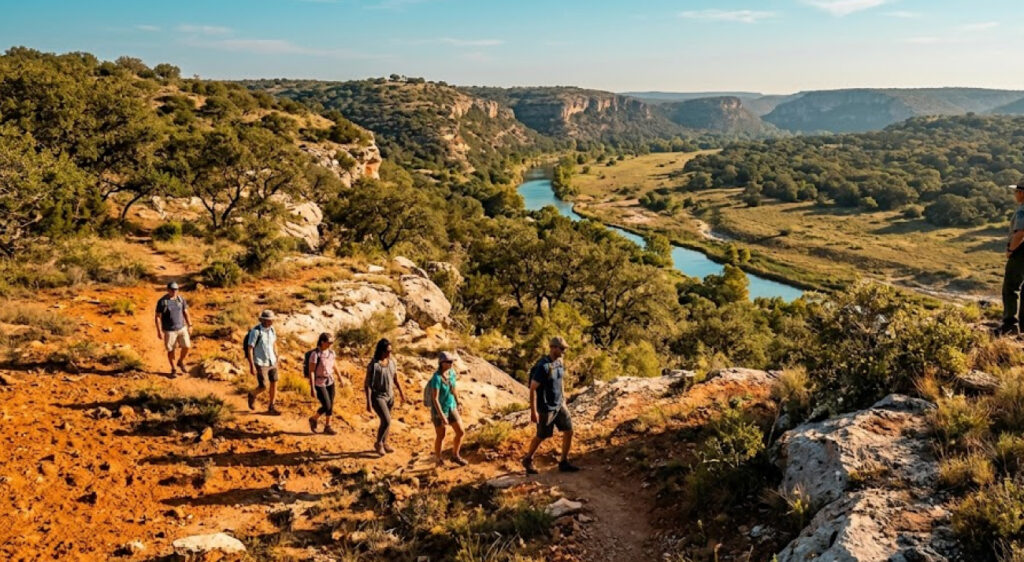
A New State Park Takes Shape In The Texas Hill Country
Texas is moving closer to opening a new state park in Uvalde County as the 1,720-acre Bear Creek State Park advances through planning and early development. The property, located less than a mile from Garner State Park along the Frio River, is expected to provide new opportunities for hiking, nature observation, guided recreation and limited public access while protecting sensitive ecological and cultural resources.
The Texas Parks and Wildlife Department (TPWD) purchased the property for $33.5 million in 2025. The acquisition was part of a larger effort to add public recreation land through the state’s $1 billion Centennial Parks Conservation Fund, a constitutionally established fund approved by Texas voters in November 2023.
Recent development activity has brought the project closer to its first public-access phase. A construction filing places initial site work at approximately $1.5 million, with construction scheduled to begin August 31, 2026, and an estimated completion date of February 27, 2027. Recent reporting indicates that initial public access is expected in fall 2026 through activities such as guided hikes, public hunts and special events.
The project gives Texas another opportunity to expand outdoor recreation in one of the state’s most heavily visited natural regions. It also creates a practical case study in how a large property can move from private land acquisition to public recreation while surveys, planning and conservation work take place at the same time.
Why Bear Creek Matters To The Texas State Park System
Bear Creek occupies a strategic location in the Hill Country. Its proximity to Garner State Park is one of the most significant elements of the project.
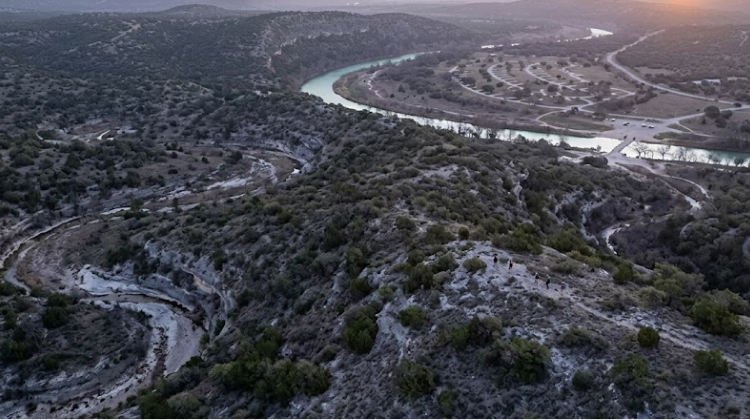
Garner is among Texas’ most popular state parks, drawing visitors to the Frio River, limestone landscapes, hiking trails and established recreation facilities. Adding another public park nearby gives TPWD an opportunity to distribute some recreation demand across a larger geographic area rather than concentrating every visitor experience at a single property.
The state describes Bear Creek as a rugged and ecologically diverse landscape along the Frio River. The property contains canyons, streams and areas with cultural and archaeological significance. TPWD’s development approach calls for outdoor access alongside protection of sensitive habitats and cultural resources.
This approach makes the project different from a conventional park construction program centered primarily on buildings and visitor facilities. The early stages focus on determining which parts of the property can accommodate recreation and which areas require stronger protection.
The Texas State Parks system provides the broader context for this investment, with Bear Creek joining a growing group of properties being developed or expanded through the Centennial Parks initiative.
The $33.5 Million Acquisition Created The Foundation
The largest financial commitment to Bear Creek occurred before construction began.
TPWD paid $33.5 million for the 1,720-acre property in Uvalde County. The purchase was announced by the department in August 2025 and represented one of the early acquisitions associated with the Centennial Parks Conservation Fund. At the time of the acquisition, TPWD said Texas had added more than 6,800 acres of new parkland since January 2025 through a combination of additions and acquisitions.
The Centennial Parks Conservation Fund provides a dedicated financial mechanism for acquiring and improving publicly accessible state parks. The Texas Comptroller describes the fund as a constitutional trust administered by TPWD for the creation and improvement of state parks. Money from the fund can be used for acquiring real property and developing publicly accessible parkland.
| Bear Creek Investment | Current Figure |
|---|---|
| Property size | 1,720 acres |
| Purchase price | $33.5 million |
| Centennial Parks Fund | $1 billion endowment |
| Initial construction estimate | About $1.5 million |
| Planned construction start | August 31, 2026 |
| Expected initial public access | Fall 2026 |
The distinction between land acquisition and park development matters. Buying a property establishes public ownership, but opening it for recreation requires environmental surveys, cultural-resource assessments, infrastructure planning, public-use decisions and construction.
Bear Creek is now moving through that second stage.
Public Access Begins Before Full Park Development
TPWD has established a phased approach for newly acquired Centennial Parks properties. Newly acquired parkland must provide limited public use within 18 months and full public use within 48 months, although development schedules can change based on factors such as weather and the findings of site surveys.
That model allows TPWD to introduce visitors to a property before all planned infrastructure is complete.
For Bear Creek, the department’s current information points to fall 2026 as the beginning of public access. The first opportunities are expected to include guided hikes, public hunts and special events rather than a fully built-out park experience.
That approach can reduce the pressure to construct every facility before residents ever see the property. It also gives TPWD an opportunity to observe visitor behavior and collect additional information before deciding how infrastructure should be positioned.
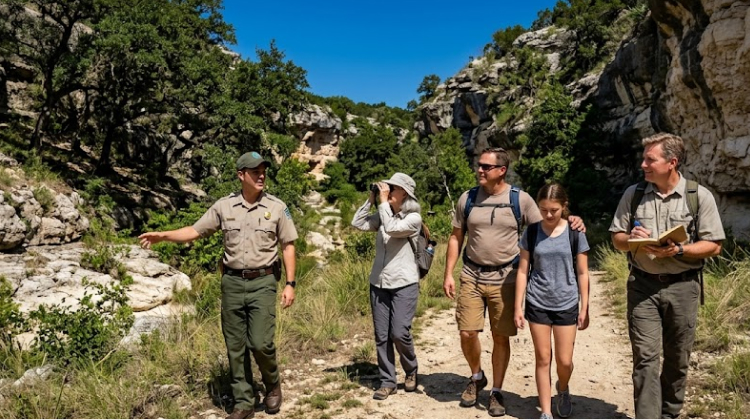
The department has already begun guided activities and public engagement connected to the property. Its public calendar lists guided nature walks designed to introduce visitors to the area’s natural features, history and future as a state park.
Planning Is Shaped By Public Input
Bear Creek’s development is also being shaped through public participation.
TPWD held public meetings on July 8 and July 9, 2026, giving residents and other interested parties opportunities to review concepts for the Public Use Plan and provide feedback. The July 9 meeting was held at the Houston Arboretum & Nature Center, while the department has continued collecting input as planning progresses.
The public-use process is significant because Bear Creek contains both recreation opportunities and areas that may require restrictions.
Rather than determining the entire visitor experience before studying the property, TPWD is using baseline surveys to identify sensitive areas, potential development zones, scenic locations and other features. Those surveys are intended to inform the Public Use Plan before the design phase begins.
This gives local communities a role in decisions involving trails, parking, visitor facilities, recreation zones and conservation priorities.
For a park of more than 1,700 acres, those decisions can influence how visitors experience the property for decades.
Protecting Cultural And Natural Resources
Bear Creek’s value extends beyond its recreation potential.
TPWD has identified archaeological resources associated with Native American activity and historical evidence connected to pioneer and ranching activity during the 1800s. Those resources add another layer to the planning process because public access must be balanced with preservation.
The property also contains sensitive ecological areas within the Hill Country environment. Its relationship with the Frio River adds importance to water-resource protection, while the rugged terrain creates both recreational opportunities and limitations for infrastructure.
The department’s stated goal is to provide outdoor access, protect sensitive habitats and celebrate the area’s culture and heritage.
That balance is reflected in the state’s broader park-development strategy. The Bear Creek State Park development plan shows that the department is still evaluating how facilities, parking and other infrastructure should be positioned based on survey findings and public input.
The result is likely to be a park where certain areas receive heavier recreational use while other portions remain protected from intensive development.
Bear Creek Could Help Distribute Hill Country Recreation
The location near Garner State Park gives Bear Creek a particular role in regional recreation planning.
Garner already provides established camping, swimming, hiking and river-based recreation. During high-demand periods, popular Hill Country destinations can experience pressure on parking, trails, campgrounds and other facilities.
Bear Creek does not immediately replicate Garner’s developed visitor infrastructure. Its early public-access model is much more limited. Yet the property’s location gives TPWD an additional public landscape where visitors can experience the region without placing every recreation demand on the same established park.
The recent construction filing adds another piece to that transition. The planned initial work includes foundational site improvements and minimal facilities intended to prepare the property for public use. Recent reporting places the initial construction cost at approximately $1,505,948, with work scheduled to begin August 31.
This creates a measured development path: acquire the land, study its resources, gather public input, establish initial access and then build additional infrastructure as the long-term plan develops.
A Different Model For Outdoor Recreation Growth
Texas has been adding parkland at a time when demand for outdoor recreation continues to shape public-land decisions.
Bear Creek demonstrates one way the state can respond without treating every new acquisition as a conventional campground or highly developed recreation complex. A large property can remain relatively natural while still giving the public access to hiking, wildlife observation, guided programs and other low-impact activities.
That model has particular relevance in the Hill Country, where scenic landscapes and ecological resources attract visitors but can be vulnerable to heavy development.
The state’s Centennial Parks program gives TPWD a long-term funding source for acquiring and improving parkland. Bear Creek is among the first new parks being developed with investment generated through that fund, making its planning process relevant beyond Uvalde County.
The Texas outdoor recreation resources available through TPWD show how new properties can complement an existing network of state parks, natural areas and recreation sites.
The Next Phase Will Define Bear Creek’s Visitor Experience
The immediate milestone is the start of construction in late August, followed by the expected first public access in fall 2026.
The larger question is how Bear Creek will develop over the following several years.
TPWD still has to complete planning, determine the location and scale of visitor infrastructure, evaluate sensitive resources and establish the long-term recreation framework. The department’s phased process allows those decisions to develop from field surveys and community input rather than from a predetermined facility list.
For visitors, that means the first experience of Bear Creek will likely look very different from what the park becomes after several years of development.
For the Texas State Park system, the property represents something larger: 1,720 acres of newly protected public land in one of the state’s most important recreation regions, backed by a dedicated $1 billion conservation fund and a phased approach to public access.
As construction begins and initial programs move forward, Bear Creek will provide a real-world example of how Texas can expand recreation access while keeping conservation, cultural resources and community participation at the center of park development.