

Michigan State Parks Modernize Facilities, Trails, And Visitor Access Through $273 Million Investment
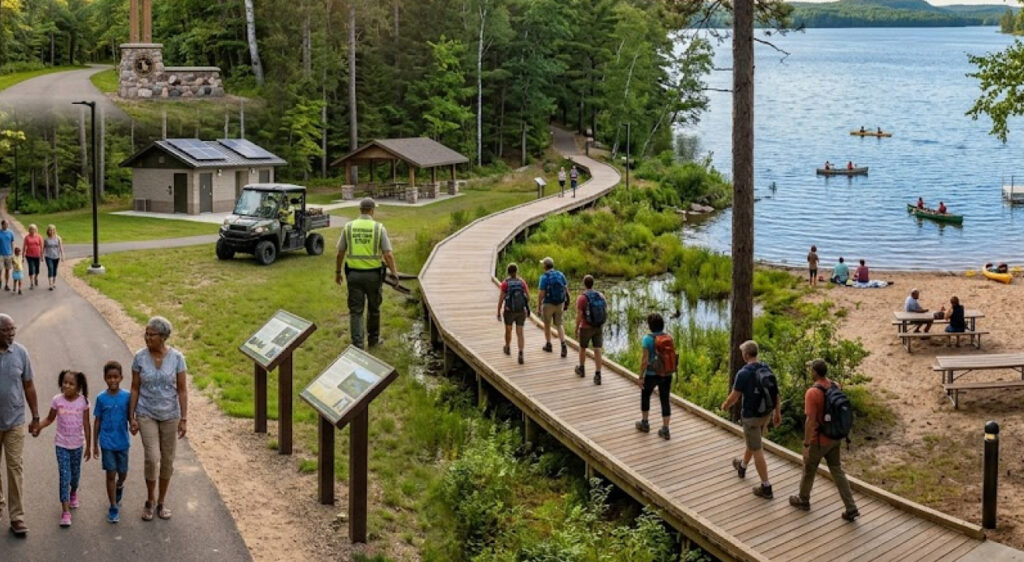
Michigan is completing one of the largest state park improvement initiatives in its history, using a combination of federal recovery funding and state recreation priorities to modernize public outdoor spaces across the state.
The Michigan Department of Natural Resources (DNR) has advanced a $273 million investment program supported by the American Rescue Plan Act (ARPA), funding improvements across Michigan’s state parks, trails, and recreation facilities. The initiative includes 197 improvement projects, with upgrades focused on accessibility, visitor services, infrastructure renewal, and long-term outdoor recreation needs.
The projects represent a significant effort to address aging facilities while responding to increased demand for outdoor experiences. From waterfront recreation areas to historic parks and regional trail systems, Michigan is improving spaces used by millions of residents and visitors each year.
The Michigan Department of Natural Resources continues coordinating these improvements as part of a broader strategy to strengthen public access to natural areas while supporting recreation opportunities throughout the state.
Historic Funding Supports Statewide Park Modernization Efforts
Michigan’s state park system includes more than 100 state parks and recreation areas, providing access to beaches, forests, trails, campgrounds, waterways, and outdoor education opportunities.
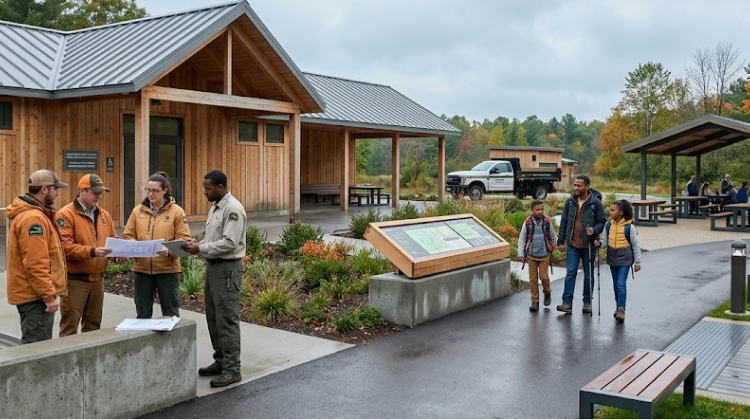
Many facilities across the system were developed decades ago and required significant updates to meet current recreation expectations. The ARPA-supported investment created an opportunity to accelerate projects that had previously required longer timelines due to funding limitations.
The Michigan DNR reported that the program includes improvements such as campground renovations, accessibility upgrades, infrastructure repairs, trail enhancements, and visitor facility improvements.
| Investment Area | Examples Of Improvements |
|---|---|
| Visitor facilities | Restrooms, day-use areas, information centers |
| Recreation access | Trails, pathways, parking improvements |
| Accessibility | ADA improvements and inclusive design updates |
| Outdoor infrastructure | Campgrounds, waterfront areas, recreation facilities |
These projects demonstrate how public recreation agencies are using major funding opportunities to address immediate infrastructure needs while preparing parks for future visitors.
The American Rescue Plan Act provided funding support across multiple public sectors, allowing states to accelerate projects that improve community infrastructure and public services.
Belle Isle Park Improvements Strengthen Urban Outdoor Recreation
One of Michigan’s most recognizable recreation destinations, Belle Isle Park in Detroit, represents an important example of how state investment can improve access to outdoor spaces within urban communities.
Managed by the Michigan DNR, Belle Isle provides residents and visitors with access to trails, waterfront areas, historic structures, gardens, and recreational spaces located in the Detroit River.
The park receives millions of visitors annually and serves as an example of how state parks can function as important community resources beyond traditional tourism destinations.
Improvement projects at Belle Isle have focused on maintaining facilities, improving visitor experiences, and preserving historic and natural resources.
Urban parks such as Belle Isle demonstrate the importance of accessible outdoor spaces located near population centers. These areas provide opportunities for walking, cycling, environmental education, family activities, and community events without requiring long-distance travel.
The continued investment in Belle Isle reflects a larger trend among recreation agencies: strengthening existing public spaces to serve growing communities.
Tahquamenon Falls State Park Receives Infrastructure Improvements For High Visitor Demand
Located in Michigan’s Upper Peninsula, Tahquamenon Falls State Park represents one of the state’s most visited natural destinations.
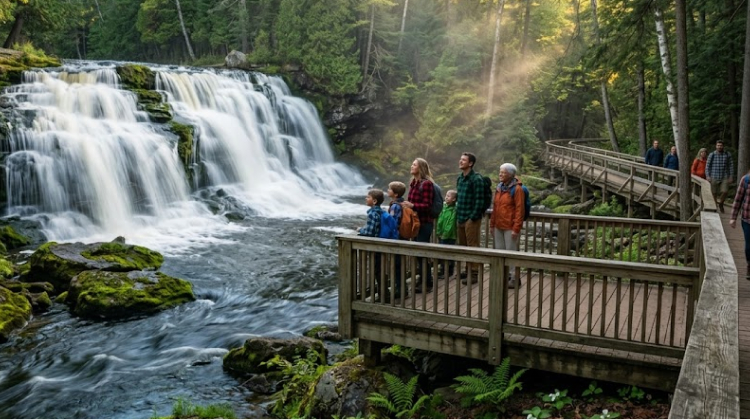
The park covers nearly 50,000 acres and attracts visitors interested in hiking, photography, wildlife observation, camping, and waterfall viewing.
High visitation creates ongoing infrastructure challenges, particularly in areas where natural attractions require careful management to protect resources while maintaining public access.
Improvement projects within parks such as Tahquamenon Falls focus on maintaining trails, improving visitor facilities, and supporting safe recreation experiences.
| Park Location | Recreation Opportunities |
|---|---|
| Tahquamenon Falls State Park | Hiking, waterfalls, camping, wildlife viewing |
| Waterloo Recreation Area | Trails, lakes, camping, outdoor education |
| Belle Isle Park | Urban recreation, waterfront access, cultural resources |
The investment approach reflects the need to balance recreation demand with environmental protection. Updated facilities help reduce pressure on natural areas by creating better visitor circulation and supporting responsible outdoor use.
The National Park Service recreation planning resources highlight similar principles used across public lands, where infrastructure improvements support visitor access while protecting natural resources.
Waterloo Recreation Area Expands Opportunities For Outdoor Activities
Waterloo Recreation Area in southeast Michigan is another example of how infrastructure improvements support diverse recreation opportunities.
The recreation area includes more than 20,000 acres of forests, lakes, trails, and natural habitats. It provides opportunities for hiking, fishing, camping, paddling, and environmental education programs.
Improvements within large recreation areas such as Waterloo help maintain access for residents seeking outdoor activities close to home.
Michigan’s investment strategy recognizes that recreation demand continues growing across different age groups and interests. Modern facilities must support traditional outdoor activities while accommodating new expectations related to accessibility, safety, and convenience.
Trail improvements are particularly important because walking, hiking, and cycling remain among the most popular outdoor activities nationwide.
Updated trails can improve:
- Visitor safety
- Accessibility for more users
- Connections between recreation areas
- Outdoor learning opportunities
These improvements help create recreation systems that serve residents throughout the year rather than only during peak summer months.
Accessibility Becomes A Central Priority In Michigan Recreation Planning
A major component of Michigan’s park investment strategy is improving accessibility across public recreation spaces.
Modern park development increasingly focuses on creating environments that allow more residents to participate regardless of age or mobility needs.
Accessibility improvements include:
- Updated pathways
- Accessible parking areas
- Improved restrooms
- Inclusive recreation facilities
- Better connections between major park features
These updates represent a shift in how recreation agencies measure success. Parks are increasingly evaluated by how effectively they serve entire communities.
Michigan’s improvements align with broader national recreation trends focused on inclusive design and equitable access to outdoor spaces.
Previous ITPR coverage on adaptive recreation programs explored how recreation agencies are expanding participation through accessible programming and inclusive facilities.
State Park Investments Support Community Wellness And Economic Activity
Michigan’s recreation improvements extend beyond infrastructure upgrades. State parks contribute to community wellness, tourism, and local economic activity.
Outdoor recreation provides opportunities for physical activity, social connection, and time spent in natural environments. Improved parks can support walking programs, youth activities, outdoor education, and community events.
The outdoor recreation economy continues representing a significant part of the U.S. economy. According to the Bureau of Economic Analysis, outdoor recreation contributed hundreds of billions of dollars in economic output while supporting millions of jobs nationwide.
The Bureau of Economic Analysis outdoor recreation data provides national measurements showing the economic importance of outdoor activities.
Michigan communities benefit from these investments through increased visitation, improved public spaces, and stronger connections between residents and natural areas.
Michigan’s Recreation Investment Establishes A Long-Term Vision For Public Parks
The completion of major state park improvement projects represents a significant step in Michigan’s approach to outdoor recreation planning.
The $273 million investment addresses immediate infrastructure needs while supporting a longer-term vision focused on accessibility, sustainability, and community recreation opportunities.
Projects across Belle Isle Park, Tahquamenon Falls State Park, Waterloo Recreation Area, and other locations demonstrate how strategic investment can improve public spaces used by generations of residents.
As outdoor recreation participation continues growing, state park systems will need continued investment to maintain facilities, protect natural resources, and provide meaningful experiences for visitors.
Michigan’s current improvement program shows how public funding can strengthen recreation infrastructure while ensuring that parks remain accessible, functional, and valuable community assets for years ahead.