

Federal Investment Expands Access To Parks, Trails, And Community Recreation Spaces
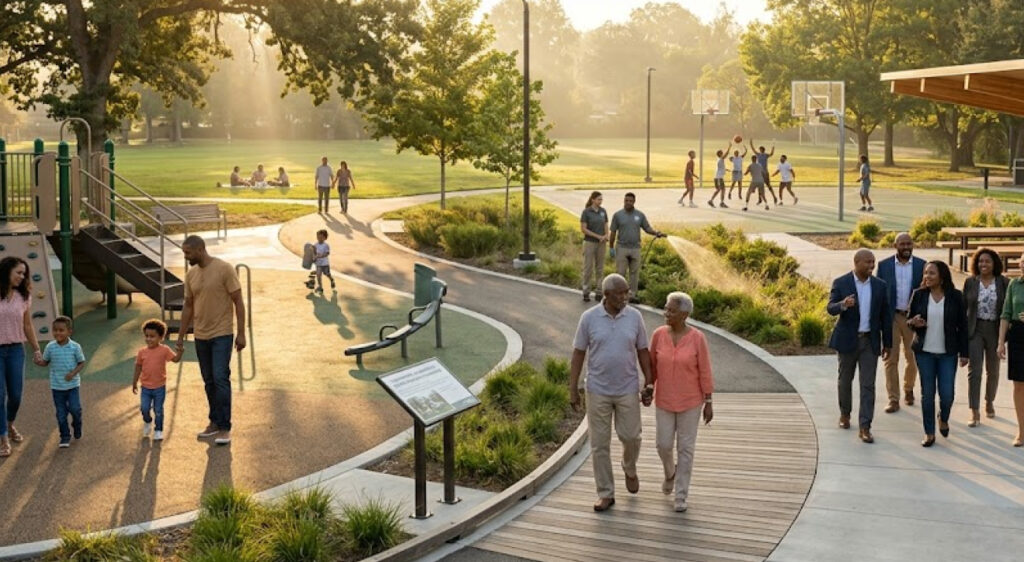
Communities across the United States are receiving new opportunities to improve public parks, recreation facilities, and outdoor spaces through expanded federal investment programs focused on accessibility, conservation, and community development.
The U.S. Department of the Interior continues supporting local recreation infrastructure through the Land and Water Conservation Fund (LWCF), a program that provides financial resources for state and local projects that protect open spaces while increasing public access to outdoor experiences.
In 2026, the Department of the Interior announced more than $461 million in LWCF grants for outdoor recreation projects across the United States. With required state and local matching contributions, these investments represent more than $900 million dedicated to improving parks, trails, playgrounds, and recreation facilities nationwide.
These projects demonstrate how federal funding can influence local recreation systems by helping communities modernize aging facilities, expand accessible spaces, and create environments that support physical activity and social connection.
The Land and Water Conservation Fund remains one of the most important federal programs supporting public recreation development, allowing communities to preserve natural areas while improving opportunities for residents.
Land And Water Conservation Fund Supports Local Recreation Priorities
The Land and Water Conservation Fund has played a central role in public recreation development since its creation in 1965. The program uses federal funding to support projects identified by states and communities based on local recreation needs.
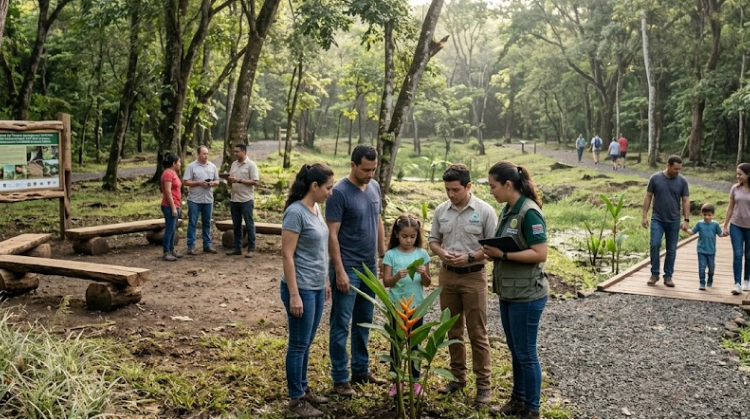
Unlike large national infrastructure programs, LWCF funding directly impacts neighborhood parks, municipal recreation areas, trails, and community facilities where residents participate in daily activities.
Current projects supported through the program reflect several major recreation priorities:
| Recreation Investment Area | Community Benefit |
|---|---|
| Trail development | Creates opportunities for walking, hiking, and cycling |
| Park renovations | Updates aging recreation facilities |
| Accessible infrastructure | Improves participation for residents with different abilities |
| Outdoor learning spaces | Supports environmental education and youth programs |
Local agencies use these resources to address growing demand for outdoor recreation while maintaining existing public spaces.
The increase in outdoor participation after the pandemic period accelerated interest in accessible parks close to home. Many communities are now focusing on projects that support everyday recreation rather than only destination-based tourism.
The National Recreation and Park Association reports that local parks and recreation agencies continue serving as essential community resources by providing opportunities for health, connection, and environmental engagement.
Federal Funding Helps Communities Modernize Aging Park Infrastructure
Many public parks across the country face challenges related to aging facilities, outdated equipment, and increasing visitor demand.
Federal recreation funding allows communities to address these issues through improvements such as renovated playgrounds, updated sports facilities, improved walking paths, and expanded green spaces.
Modern park projects increasingly combine recreation improvements with accessibility and environmental goals.
A renovated community park may include:
- Accessible pathways connecting major park areas
- Inclusive playground equipment
- Multi-purpose recreation fields
- Native landscaping improvements
- Outdoor educational areas
These improvements allow parks to serve residents of different ages and interests.
A neighborhood park that once provided only basic recreational opportunities can become a multi-use community destination supporting youth programs, wellness activities, family gatherings, and environmental education.
This approach reflects a broader shift in public recreation planning. Communities are investing in parks as long-term assets that contribute to quality of life and community resilience.
State And Local Partnerships Multiply The Impact Of Federal Investment
Federal recreation programs rely on partnerships between the Department of the Interior, state agencies, municipalities, and local organizations.
The LWCF structure requires matching contributions from recipients, creating a combined investment model where federal funding supports larger community projects.
This partnership approach allows recreation improvements to reflect local priorities.
| Community Setting | Common Recreation Investment |
|---|---|
| Urban neighborhoods | Playgrounds, green spaces, recreation centers |
| Suburban communities | Multi-use parks and family recreation areas |
| Rural regions | Trails, natural areas, outdoor access projects |
| Coastal communities | Waterfront recreation improvements |
The flexibility of these investments allows communities to address different recreation challenges.
A growing city may prioritize additional park space for expanding neighborhoods, while rural communities may focus on improving trail systems and access to natural areas.
Federal support provides a foundation, but local planning determines how projects create long-term community value.
Community Parks Become Centers For Wellness And Public Engagement
The expansion of outdoor recreation funding reflects growing recognition of parks as important wellness resources.
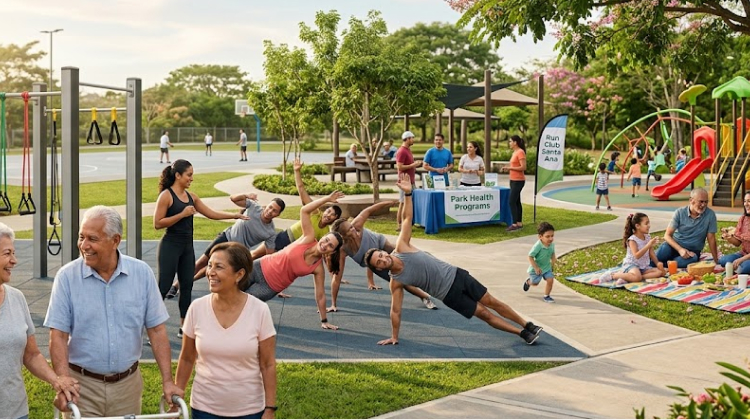
Public parks provide accessible locations where residents can participate in physical activity, spend time outdoors, and connect with neighbors.
Research from organizations such as the Centers for Disease Control and Prevention has linked access to parks and recreational spaces with opportunities for increased physical activity and healthier community environments.
The CDC recommendations on physical activity highlight the importance of community environments that make active lifestyles easier to achieve.
Park improvements supported by federal funding can contribute to these goals by creating safer walking routes, recreation areas, and spaces where residents can participate in organized activities.
Communities are increasingly connecting park investments with broader wellness strategies. Recreation facilities are being planned alongside programs that support fitness, youth engagement, and social participation.
Accessibility Improvements Expand Recreation Opportunities For More Residents
Accessibility has become one of the central priorities in modern park development.
New recreation projects increasingly focus on creating spaces that can be used by residents with different mobility needs, ages, and abilities.
Accessibility improvements often include:
- Smooth trail surfaces
- Accessible playground equipment
- Updated restrooms and facilities
- Adaptive recreation features
- Improved connections between park areas
These updates allow more residents to participate in outdoor recreation.
The focus on inclusive design also changes how communities evaluate the success of recreation spaces. A successful park is no longer measured only by the number of visitors but by how effectively it serves the entire community.
Previous ITPR coverage on inclusive recreation programs examined how recreation agencies are expanding opportunities through adaptive sports, accessible facilities, and inclusive programming.
Federal Recreation Investments Support Environmental And Economic Benefits
Community park improvements provide benefits beyond recreation participation.
Outdoor spaces contribute to environmental protection, local tourism, and economic activity. Trails, parks, and public recreation areas can attract visitors while supporting nearby businesses and community events.
According to the Bureau of Economic Analysis, outdoor recreation generated hundreds of billions of dollars in economic activity in the United States, demonstrating the importance of outdoor experiences across multiple industries.
The Bureau of Economic Analysis outdoor recreation statistics show how outdoor activities contribute to employment, economic output, and regional development.
Communities investing in parks often experience additional benefits through increased visitor activity, improved public spaces, and stronger community identity.
A well-maintained park can support local events, educational programs, recreation leagues, and cultural activities that bring residents together.
Future Community Recreation Planning Will Depend On Continued Investment
Federal outdoor recreation funding is helping communities address current recreation needs while preparing for future demand.
Population growth, changing recreation preferences, and increased interest in outdoor activities will continue influencing how cities and states plan their parks.
The Department of the Interior’s investment strategy demonstrates how federal programs can support projects that directly affect residents through improved access, updated facilities, and expanded recreation opportunities.
From neighborhood playgrounds to regional trail networks, these projects represent long-term investments in public spaces that serve communities every day.
As recreation agencies continue adapting to changing needs, federal partnerships will remain an important resource for creating accessible, functional, and sustainable outdoor environments throughout the United States.