


The St. Paul Property Tax proposal is now moving from the mayor’s budget address into City Council review, with residents facing several specific dates before the final FY2027 budget decision. Mayor Kaohly Her proposed a 6.8% increase in the city property tax levy during her budget address on August 13, 2026, and the city said the change would amount to about $58 per year for a median-value home, according to the official Saint Paul budget address.
The proposal matters for households, neighborhood organizations, public-service users and businesses because the levy is tied to the city’s plan for closing a reported $26 million deficit. CBS Minnesota reported that Mayor Her proposed the 6.8% levy increase to help address that deficit, citing the mayor’s budget address and city budget figures in its local budget report.
As of September 4, 2026, the mayor’s address has already taken place, early public engagement meetings in June and July have already taken place, and the Council’s first key levy decision remains ahead. The next formal steps include a maximum levy vote on September 23, 2026, a Truth-in-Taxation Hearing on November 30, 2026, and a final levy and budget vote on December 2, 2026, according to the City Council’s budget timeline described in city materials.
St. Paul Property Tax Timeline For 2027
Key Dates Before The Final Vote
The city’s FY2027 budget process is structured around several public points of review. The City Council’s timeline, as described in city budget materials, places the maximum levy decision in late September, public testimony at the end of November, and final budget certification in early December.
| Date | Budget Step | Status As Of September 4, 2026 |
|---|---|---|
| August 13, 2026 | Mayor Her delivered the FY2027 budget address | Completed |
| September 23, 2026 | City Council vote on the maximum property tax levy | Scheduled |
| November 30, 2026 | Truth-in-Taxation Hearing for public testimony | Scheduled |
| December 2, 2026 | Final levy certification and FY2027 budget adoption vote | Scheduled |
The maximum levy vote is a significant procedural step because it sets the ceiling for the property tax levy. The final levy may be adopted later, after the Truth-in-Taxation Hearing, but the September 23 vote defines the highest levy level the Council can consider for the final budget, based on the city’s stated schedule.
How The St. Paul Property Tax Proposal Is Framed
Mayor Her’s office described the FY2027 budget as an $887.8 million operating budget, including $438 million for the General Fund. The mayor’s office said the proposed levy increase was reduced from what would have been a levy increase of more than 12% if the city had relied only on property taxes to close the budget gap. According to the city, the 6.8% proposal reflects spending cuts, efficiencies and reallocations.
For households, the St. Paul Property Tax proposal is being presented by the city in annual median-home terms: about $58 per year. That figure is not the same as the total tax bill for any one property, because individual bills can vary by valuation, tax classification and other taxing jurisdictions. The city’s figure is useful as a median-home estimate, but residents should compare it with their own property notices when those are available.
What Mayor Her Proposed In The FY2027 Budget
Four Priorities Cited By The Mayor’s Office
The mayor’s office said the proposed FY2027 budget was shaped around four priorities that followed public input from four engagement meetings. Those meetings were held between June 15 and July 1, 2026, according to city materials. The city cited a June 15 meeting at Frogtown Community Center focused on making business operations easier and a July 1 meeting at Neighborhood House focused on fiscal sustainability.
- Making business operations easier
- Creating responsive government
- Enhancing safety and justice
- Fiscal responsibility
Those categories are broad, but they give residents a way to evaluate whether proposed spending lines match the stated priorities. For example, residents may compare budget proposals for service departments with the city’s stated goals for responsive government and fiscal responsibility. Businesses and chamber groups may focus on whether city operations are becoming easier to work with. For readers tracking civic and business connections across this related local network, the Richland Chamber offers a complementary perspective on community and business integration.
The city’s prior budget context also matters. Saint Paul’s 2026 budget was finalized in December 2025 with a 5.3% levy increase, raising about $232.5 million in property tax levy. The city said that increase equaled about $107 per year, or about $9 per month, for a median-value home. That earlier figure should not be combined with the FY2027 estimate without careful review, because each budget year has its own levy base, property values and spending plan.
Community Feedback And St. Paul Property Tax Decisions
Ward Events And Public Testimony
The Saint Paul City Council announced six Ward Budget Engagement Events across summer and fall 2026 to gather resident input before key levy decisions, according to city materials. Some engagement activity has already occurred as of September 4, 2026, while the later budget timeline still includes formal Council votes and a public hearing.
The St. Paul Property Tax calendar gives residents two different kinds of input points. Ward engagement events are designed to collect priorities before decisions are made. The Truth-in-Taxation Hearing on November 30, 2026, is a formal setting for public testimony before the December 2 final vote. Residents who want their comments entered into the formal budget record should follow the City Council’s posted procedures for that hearing.
For neighborhood groups, tenant advocates, homeowners, business owners and service organizations, the most useful feedback is likely to be specific. City officials will be weighing a levy proposal, department impacts and budget-balancing measures. Comments that identify a particular service, department, fee, response concern or neighborhood effect are easier to compare with the budget documents than general support or opposition alone.
Department Reviews And Service Questions
Budget Committee Presentations
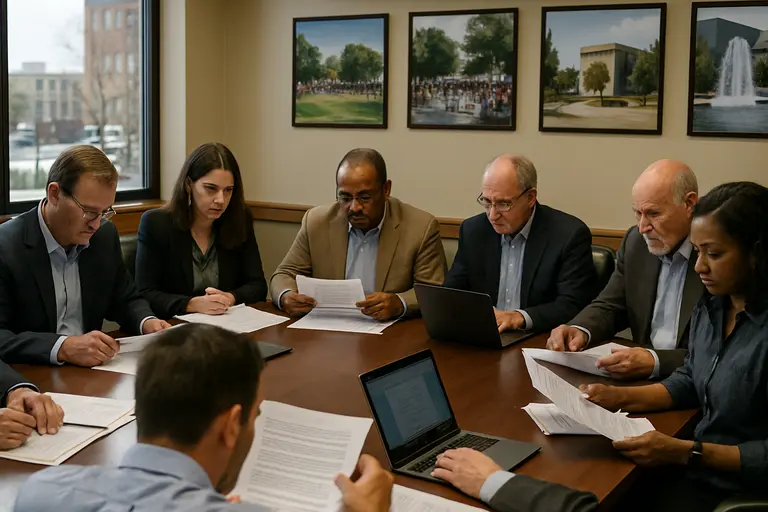
The City Council Budget Committee schedule includes department presentations on budget impacts, according to city materials. The Parks and Recreation Department presentation was scheduled for September 2, 2026, which had already passed by September 4, 2026. The Saint Paul Police Department presentation was scheduled for September 9, 2026, and the Fire Department presentation was scheduled for September 16, 2026.
Those department reviews are relevant to community wellness because they involve public services that residents may use directly or rely on indirectly. Parks and recreation programming, police services and fire services are separate city functions, and the budget process gives the Council a chance to review how proposed spending affects each area. This article does not assume what those departments will request or what the Council will decide; the supported fact is that the city’s schedule placed those departments in the Budget Committee review sequence.
Residents tracking the proposal can use the department schedule to separate policy questions from levy questions. One question is whether the proposed 6.8% levy is acceptable to residents and elected officials. A separate question is how the budget distributes available money across departments. The city’s process brings both questions together, but public comments may be clearer when they identify which issue is being addressed.
What The St. Paul Property Tax Proposal Means Locally
The St. Paul Property Tax proposal is not final as of September 4, 2026. The mayor has proposed the FY2027 budget, the city has released the major levy figures, and the Council has scheduled the main public steps before adoption. The maximum levy vote on September 23, 2026, will set an upper limit. The November 30 Truth-in-Taxation Hearing will provide a formal testimony point. The December 2 vote is scheduled to certify the final levy and adopt the FY2027 budget.
The clearest supported figures are the city’s proposed 6.8% levy increase, the estimated $58 annual effect for a median-value home, the $887.8 million operating budget, the $438 million General Fund, and the reported $26 million deficit. The mayor’s office also stated that the levy increase would have exceeded 12% without spending cuts, efficiencies and reallocations.
For residents, the next civic step is to review the Council’s budget materials, compare the proposed levy with household property information when notices are available, and decide whether to provide feedback before the final vote. For neighborhood organizations and service providers, the strongest record will likely come from comments tied to specific budget lines, department services or community needs described in city documents.
The decision ahead is local and procedural: Saint Paul elected officials must decide how much property tax revenue to certify for FY2027 and how to align that revenue with the mayor’s proposed budget priorities. The public record between September 23 and December 2, 2026, will show whether the final adopted levy remains at the proposed level or changes during Council review.