


School Budget Stability in Contra Costa County became a sharper local issue after two budget actions in 2026: Contra Costa County adopted a $7.248 billion fiscal year 2026-27 County and Special Districts Budget on May 19, 2026, while West Contra Costa Unified School District reported a projected operating surplus for the fiscal year that began on July 1, 2026. The county said its budget is balanced with ongoing revenue and one-time funds, and Richmondside reported that WCCUSD projected about $532.5 million in revenues and roughly $520.3 million in expenditures for 2026-27.
What Changed For School Budget Stability
School Budget Stability And WCCUSD’s 2026-27 Budget
Richmondside reported on June 5, 2026, that West Contra Costa Unified School District projected an operating surplus of about $12.2 million for fiscal year 2026-27, based on roughly $532.5 million in revenues and $520.3 million in expenditures. The same report described it as the district’s first surplus in years, while also reporting that WCCUSD had already made major reductions to address a three-year operating deficit totaling $127 million. Those reductions included about 300 position layoffs, the merger of Betty Reid Soskin and Pinole middle schools, and reduced funding for school sites and programs, according to Richmondside’s WCCUSD report.
For families, employees, and community partners, the key point is that a one-year surplus does not erase the effects of prior cuts. The cited reporting indicates that WCCUSD’s 2026-27 budget picture improved after large reductions had already been approved or carried out. That means public discussion about the surplus should be separated from a discussion about whether services have returned to earlier levels. The published figures show a positive operating result for one fiscal year, but they do not show that every affected classroom, school site, or program has been restored.
How To Read A Surplus After Cuts
For School Budget Stability, the WCCUSD figures point to a common budget challenge: a district can move into short-term balance after taking actions that reduce staffing, campuses, and program allocations. Richmondside’s reporting supports two findings at the same time. First, WCCUSD projected more revenue than spending for 2026-27. Second, that result followed a fiscal solvency effort that included large reductions. Treating those facts together gives residents a clearer way to evaluate board decisions, public comments, and future budget updates.
The research brief supplied for this article also referred to Antioch Unified School District, including budget adoption, a negative certification, and rejected cuts. The approved source set for this article, however, did not include an Antioch Unified budget document, board minutes, Contra Costa County Office of Education certification letter, or other official Antioch-related record. Because of that sourcing limit, this article does not repeat Antioch dollar figures or vote details as findings. Residents reviewing Antioch Unified’s fiscal position should consult the district’s adopted budget materials, board records, and county education oversight documents before relying on any single comparison.
County Budget Risks Frame Local Planning
Contra Costa’s Adopted Budget Sets The Fiscal Context
Contra Costa County announced that its Board of Supervisors adopted the fiscal year 2026-27 County and Special Districts Budget on May 19, 2026. The county described the budget as totaling $7.248 billion and said it was balanced using ongoing revenue and one-time funds. The county also said state and federal sources made up about 53% of total revenue, while noting risks tied to state and federal policy shifts, rising labor and operating costs, slower local revenue growth, and a projected $24 million loss in the current fiscal year from funding cuts and unfunded responsibilities, according to the Contra Costa County budget notice.
The county budget context matters for School Budget Stability because it shows that public agencies in the same region are planning under cost and revenue pressure. The county notice does not set school district budgets, and it should not be read as a direct projection for any district. It does show, through the county’s own statement, that local fiscal planning is being shaped by reliance on outside revenue sources, labor and operating cost pressure, and uncertainty around future funding responsibilities.
Why One-Time Funds Need Careful Public Review
The county’s statement that its budget uses both ongoing revenue and one-time funds gives residents a useful lens for school finance discussions. In public budgeting, the distinction matters because ongoing costs can continue after temporary funds expire. The county notice does not provide a district-by-district school analysis, but it does identify the same basic issue that residents often see in school board meetings: whether money used to balance a budget is recurring or temporary.
That distinction is especially relevant when public agencies discuss reserves, grants, and short-term funding sources. If one-time money pays for a one-time cost, the fiscal risk may be limited. If one-time money supports recurring staffing or program expenses, future boards may face another round of reductions unless recurring revenue increases or costs fall. Readers should not assume that every use of one-time funds is improper. The more accurate question is whether the public record identifies what happens after those funds are spent.
What Community Members Can Verify Next
Budget Documents To Read Before Commenting
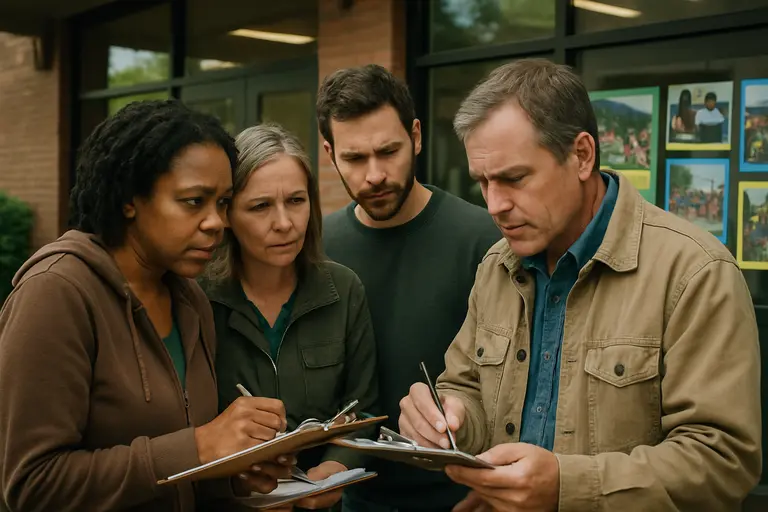
Residents who want to give useful public comment can start by separating adopted budgets, interim reports, board resolutions, and staff presentations. Each document answers a different question. An adopted budget shows the spending plan approved for a fiscal year. Interim reports show whether the agency remains on track after the year begins. Board resolutions show specific actions taken by trustees or supervisors. Staff presentations often explain tradeoffs, but the adopted motion and official record should be checked before treating a proposal as final.
For WCCUSD, Richmondside’s June 2026 reporting provides a dated account of the projected 2026-27 surplus and the reductions that preceded it. For countywide fiscal conditions, Contra Costa County’s May 19, 2026 budget announcement provides the official county-level frame. For Antioch Unified, the next step should be official district and county education records, not secondhand summaries alone. That approach keeps community discussion grounded in documents that can be reviewed by parents, employees, taxpayers, and civic groups.
- Check whether a budget item is one-time or ongoing.
- Compare projected revenues with projected expenditures for the same fiscal year.
- Look for reserve assumptions and whether reserves are being added or used.
- Confirm whether a board discussed a proposal or formally adopted it.
- Ask how prior reductions affect the meaning of any reported surplus.
Questions That Fit The Public Record
Useful civic questions do not need to predict the future. They can be tied directly to records already published. For example, if a district reports a surplus after cuts, residents can ask which services remain reduced, which positions are restored, and which reductions remain in the multiyear plan. If an agency uses one-time funds, residents can ask what cost those funds cover and whether a replacement funding source has been identified after the money is gone.
Community organizations can also help residents track meeting dates, budget vocabulary, and public records. Readers following regional civic and business coverage may also find related community updates through the Richland Chamber network, which provides resources from a connected local service. The most useful local role for such groups is not to substitute for official records, but to help residents know which public documents and meetings deserve attention.
Contra Costa School Budget Stability
The strongest supported reading of School Budget Stability in Contra Costa County is cautious. WCCUSD’s cited 2026-27 operating surplus is a meaningful change from years of deficit pressure, but Richmondside’s reporting shows that the surplus followed significant reductions. Contra Costa County’s adopted budget notice shows that the broader county government also entered fiscal year 2026-27 with a balanced budget that depended partly on one-time funds and faced stated risks from outside funding, labor costs, operating costs, and slower local revenue growth.
For residents, the practical next civic step is document-based review. School board members, county supervisors, district staff, labor groups, families, and taxpayers may use different language to describe the same budget, but the public record should anchor the discussion. A surplus should be read alongside prior cuts. A balanced budget should be read alongside one-time funding and stated risks. A district comparison should be made only after the same kinds of records are available for each district being compared.
That standard is especially important for Antioch Unified and West Contra Costa Unified because the research record supplied for this article points to different fiscal pressures, while the approved published sources available here support different levels of detail. WCCUSD’s 2026-27 surplus and prior reductions are supported by the cited local report. Contra Costa County’s 2026-27 budget context is supported by the county’s own notice. Antioch-specific conclusions should wait for direct review of official Antioch Unified and county education records.