

What Official Records Confirm
Raleigh Infrastructure Funding is drawing attention because a figure of $814 million has circulated in connection with local public works, but the official records reviewed for this report do not confirm a single Raleigh infrastructure package at that amount. The verified records do show two major public finance items: a $616.9 million capital budget in Raleigh’s FY 2026 budget and $220 million in approved bonds for water, sewer and dam work. Those are separate actions, and adding them together does not produce $814 million.
The distinction matters for residents because capital budgets, bond authorizations and multi-year project plans describe different kinds of public spending. A capital budget is part of the city’s annual financial plan. A bond authorization allows borrowing for specified work, often tied to later design, easements, permits, bids and construction schedules. Treating those figures as one confirmed total can blur what the City of Raleigh has approved, what state oversight has cleared, and what still depends on project-level steps.
According to the City of Raleigh, the City Council approved a $1.78 billion FY 2026 budget with no tax increase, including an approximately $616.9 million capital budget for affordable housing, parks operations, street maintenance and pay-as-you-go projects not relying on bond funding. The same city announcement described a roughly $2.5 billion capital improvement plan for FY 2026 through FY 2030 Raleigh budget notice.
Verified Raleigh Infrastructure Funding Items
Raleigh Infrastructure Funding Is Not One Single Number
The clearest supported reading is that Raleigh has multiple verified infrastructure-related funding streams, not a single confirmed $814 million item. For Raleigh Infrastructure Funding, the city budget and the utility bond approval should be read side by side, but not merged without an official source saying they form one package. The official documents available for this report do not say that.
State oversight also approved Raleigh’s issuance of $220 million in bonds for several water and sewer projects, including dam-related improvements. The North Carolina Treasurer’s office said the work includes installing about 15,000 feet of larger sewer lines, with a notable area described as behind Crabtree Valley Mall toward Duraleigh Road. The same official release said the completion timeline depends on easements, permitting and bids state bond approval.
For residents, that means the verified bond action should be viewed as an authorization tied to specific utility system work, not as an announcement that every improvement is already under construction. The official description points to pre-construction requirements and contracting steps, which can affect timing in neighborhoods near project corridors.
How The City Budget Differs From Bond Financing
Annual Spending And Long-Term Borrowing Serve Different Purposes
A city capital budget and a bond issue both support public infrastructure, but they do not function the same way. Raleigh’s FY 2026 capital budget is part of the city’s adopted budget for the fiscal year. The city described that budget as covering categories such as affordable housing, parks operations, street maintenance and pay-as-you-go projects. By contrast, the $220 million bond approval is tied to borrowing for water, sewer and dam improvements.
That difference affects how residents should interpret timelines. Budgeted capital work may move through city departments, procurement and project management within the budget cycle or across multiple years. Bond-financed utility work may require debt issuance, engineering, easement work, environmental or construction permits, bids and contractor scheduling. The Treasurer’s office specifically connected the Raleigh water and sewer project timeline to easements, permitting and bids.
The distinction also affects public accountability. Residents tracking road maintenance, park repairs or pay-as-you-go work should look first to City of Raleigh budget materials, council actions and department updates. Meanwhile, those interested in exploring related civic discussions can find more coverage within the network at the Houston LWS Forum.
What Residents Can Track Next

Project-Level Details Will Matter More Than The Headline Total
For households and businesses, the practical questions are less about a broad dollar figure and more about where work will happen, when construction may affect streets or easements, and which services are expected to improve. The verified records do not provide one $814 million answer. They point instead to separate city and utility funding decisions that will need project-level follow-up.
Residents can track several official signals. City Council budget votes show how annual capital dollars are assigned. Utility bond approvals show how borrowing capacity is being cleared for water, sewer and dam work. Bid postings and contract awards can show when a project is moving from planning into construction. Easement notices, permit filings and construction advisories can indicate when a neighborhood may see field activity.
That approach is especially useful near the sewer line work identified by the Treasurer’s office. The official release identified about 15,000 feet of larger sewer lines and described the area behind Crabtree Valley Mall toward Duraleigh Road. Until project schedules are posted through official channels, residents should treat that as a verified project area, not as a complete construction calendar.
The City of Raleigh’s capital budget also deserves separate attention because it includes categories that touch daily civic life. The city named affordable housing, parks operations, street maintenance and pay-as-you-go projects as capital-budget uses. Those categories can affect housing access, public spaces, roadway condition and neighborhood services, but the exact effect depends on individual project lists and council-approved allocations.
Raleigh Infrastructure Funding And Resident Questions
The safest reading of Raleigh Infrastructure Funding is that local residents are seeing a period of significant public investment, but the specific $814 million claim is not supported by the official sources reviewed here. The verified amounts are substantial on their own: about $616.9 million in the FY 2026 capital budget and $220 million in approved utility bonds. They should be reported as separate funding actions unless a public agency identifies a combined figure and explains what it includes.
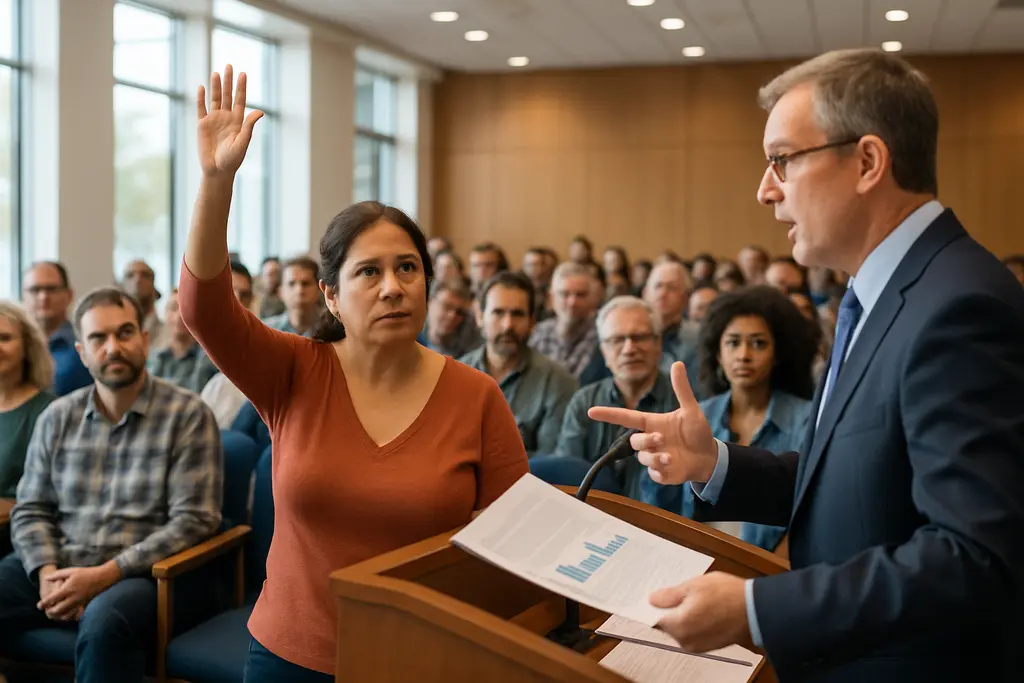
For civic follow-up, residents can ask three grounded questions at council meetings, utility briefings or through public records channels: which projects are funded, which projects are designed but not yet bid, and which neighborhoods will receive notices before construction begins. Those questions keep attention on services, timelines and public accountability rather than on an unsupported total.
Raleigh’s official budget materials and the state bond approval show that infrastructure spending is active across city services and utility systems. They do not confirm an $814 million infrastructure package. Until an official source documents that number, residents should rely on the verified budget and bond records, then follow individual project updates as they are released by the City of Raleigh and state oversight agencies.