
Park Systems Increase Accessibility Through Inclusive Recreation Infrastructure And Community Programs
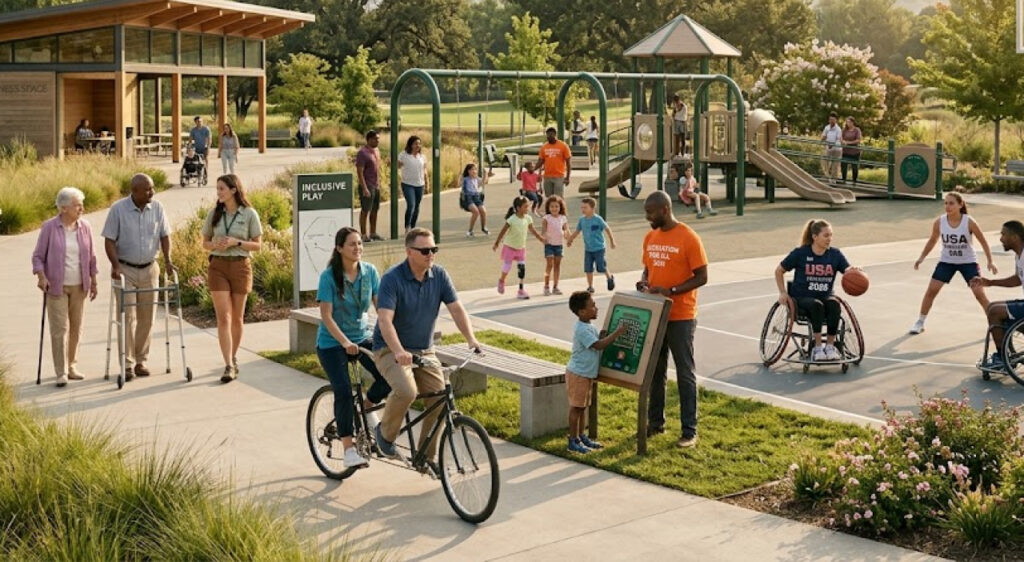
Public parks across the United States are changing how communities experience recreation by integrating accessibility, adaptive programming, and inclusive design into everyday park planning. Recreation agencies are investing in facilities, trails, playgrounds, and sports programs that allow more residents to participate regardless of age, mobility level, or physical ability.
The growth of adaptive recreation reflects a broader shift in public park management. Agencies are moving beyond traditional accessibility requirements and developing spaces where residents with disabilities can actively participate in sports, wellness activities, outdoor education, and community events.
Organizations such as the National Recreation and Park Association (NRPA) have highlighted the importance of inclusive recreation as communities evaluate how parks contribute to quality of life, health, and social connection.
Cities and counties across the country are introducing adaptive sports programs, sensory-friendly playgrounds, accessible trail systems, and specialized recreation activities. These projects demonstrate how park agencies are using design and programming strategies to create more welcoming public spaces.
For additional information about national recreation initiatives, the National Recreation and Park Association accessibility resources provide research and examples related to inclusive community recreation.
Growth Of Adaptive Recreation Programs Across American Communities
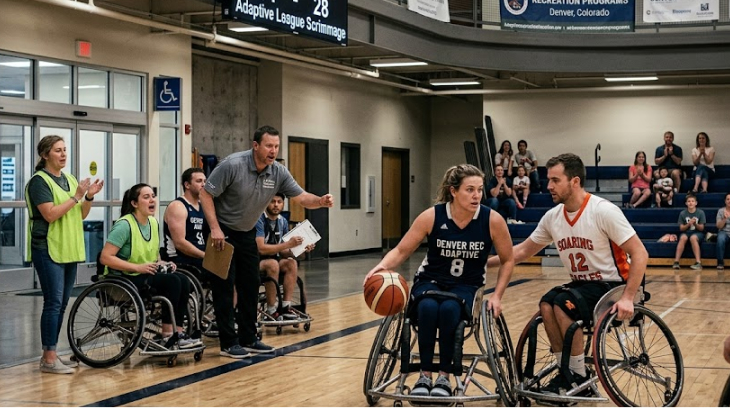
Adaptive recreation programs have expanded significantly as municipalities recognize the need for more inclusive opportunities. These programs include wheelchair sports, adaptive fitness classes, accessible outdoor activities, therapeutic recreation, and community events created for residents with different abilities.
The growth of these initiatives is connected to changing demographics and increased awareness of the role recreation plays in public health. Older adults, veterans, individuals recovering from injuries, and people with disabilities increasingly seek opportunities to participate in active lifestyles.
Examples of adaptive recreation programming include:
- Wheelchair basketball and adaptive sports leagues
- Inclusive playground activities
- Accessible hiking and outdoor experiences
- Recreation programs supported by trained specialists
These activities create opportunities for participation while strengthening connections between residents and local recreation agencies.
| Program Area | Community Impact |
|---|---|
| Adaptive sports | Expands athletic participation opportunities |
| Accessible trails | Provides outdoor access for more visitors |
| Inclusive playgrounds | Supports children and families |
| Recreation education | Builds confidence and community involvement |
The expansion of these programs demonstrates how recreation departments are becoming important partners in supporting healthier communities.
Fairfax County Park Authority Develops Inclusive Recreation Opportunities
Fairfax County, Virginia, provides one example of how local recreation systems are incorporating accessibility into programming and facilities. The Fairfax County Park Authority manages more than 400 parks and continues improving recreation opportunities through accessible facilities, adaptive programs, and community services.
The county’s adaptive recreation efforts include programs that support individuals with disabilities through sports, leisure activities, fitness opportunities, and social events.
Inclusive recreation planning in Fairfax County focuses on removing barriers that prevent participation. This includes improving facility access, providing trained staff, and creating activities that accommodate different abilities.
The approach reflects a larger national trend where park agencies evaluate recreation from a broader perspective. Accessibility is becoming part of initial planning rather than a separate improvement added after construction.
Projects involving inclusive design often include:
- Accessible entrances and pathways
- Adaptive equipment
- Modified recreation activities
- Sensory-friendly environments
These improvements allow public spaces to serve a larger portion of the community while creating stronger connections between residents and local parks.
Denver Parks And Recreation Expands Accessible Outdoor Experiences
Denver Parks and Recreation has developed multiple initiatives focused on improving outdoor access and recreation opportunities for residents with disabilities.
The city has invested in accessible trails, inclusive playground improvements, and recreation programs that allow participants to engage with outdoor environments.
Denver’s recreation model demonstrates how urban park systems can combine infrastructure improvements with programming strategies. Accessible spaces alone do not guarantee participation; trained staff, community outreach, and appropriate activities are also necessary components.
The city’s efforts align with a broader movement among recreation agencies to make parks more representative of the communities they serve.
Outdoor accessibility projects provide benefits beyond recreation. They encourage physical activity, increase community interaction, and allow more residents to experience natural spaces.
The City of Denver Parks and Recreation accessibility programs provide examples of how municipal systems are incorporating inclusive recreation into public services.
Inclusive Park Design Changes How Communities Build Recreation Spaces
Modern park development increasingly considers accessibility during the earliest planning stages. Inclusive design focuses on creating environments that work for people with different abilities rather than making separate spaces for specific groups.
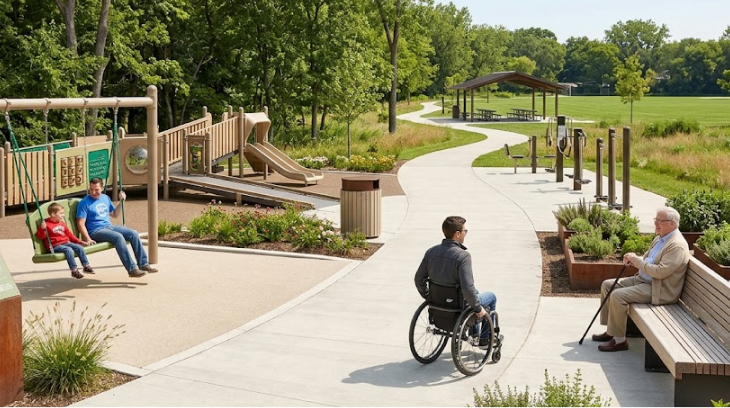
This approach can influence nearly every part of a park:
| Design Element | Accessibility Consideration |
|---|---|
| Trails | Stable surfaces, appropriate slopes, rest areas |
| Playgrounds | Equipment usable by children with different abilities |
| Sports facilities | Adaptable spaces and equipment |
| Gathering areas | Accessible seating and movement areas |
Inclusive design benefits more than residents with disabilities. Parents with strollers, older adults, temporary injury patients, and visitors with different mobility needs can all benefit from better-designed recreation spaces.
This broader approach changes the perception of accessibility from a requirement into a community investment.
Portland Parks & Recreation Uses Community Programming To Increase Participation
Portland Parks & Recreation in Oregon has continued developing recreation opportunities that support residents with disabilities through adaptive programs, community activities, and accessible facilities.
The department offers recreation services that include adaptive sports, specialized programs, and opportunities for residents to participate in community activities.
Programs like these demonstrate that accessibility depends on both physical spaces and human connections. Recreation professionals play a major role in creating welcoming environments where participants feel comfortable joining activities.
The continued development of adaptive programming shows how recreation departments are expanding their responsibilities. Parks are becoming places where communities address recreation, wellness, social connection, and inclusion at the same time.
Adaptive Recreation Supports Community Wellness And Social Connection
Adaptive recreation programs contribute to broader community wellness goals by encouraging physical activity and social participation.
Research from public health organizations has consistently connected regular physical activity with improved health outcomes. Accessible recreation programs help remove barriers that may prevent some residents from participating.
The benefits extend beyond individual participants. Families, caregivers, volunteers, and community organizations become part of stronger recreation networks.
Inclusive programs can support:
- Increased physical activity
- Greater community participation
- Social interaction opportunities
- Improved access to outdoor experiences
The role of parks continues expanding as communities look for practical ways to support healthier lifestyles.
Future Recreation Planning Will Focus On Accessibility And Inclusion
The continued growth of adaptive recreation suggests that accessibility will remain a major priority for park systems throughout the United States.
Future projects are expected to include more inclusive playgrounds, accessible trails, adaptive sports facilities, and recreation programs developed through community partnerships.
Agencies are also increasing collaboration with disability organizations, healthcare providers, schools, and nonprofit groups to create programs that better respond to local needs.
Inclusive recreation planning represents a long-term investment in public spaces. By improving accessibility, communities create parks that serve more residents and provide more opportunities for connection, activity, and outdoor experiences.
The expansion of adaptive recreation across cities such as Fairfax, Denver, and Portland demonstrates how park systems are redefining public recreation. Through thoughtful design, specialized programming, and community partnerships, parks are becoming more accessible places where everyone can participate.