
Community park enhancements moved from planning language into funded public work in 2026, based on official announcements from federal and state agencies. The clearest change was financial: the U.S. Department of the Interior announced a national outdoor recreation funding round on June 8, 2026, and the Texas Parks and Wildlife Commission approved a separate local parks grant package on January 29, 2026. For city councils, county commissions, park boards and neighborhood users, those actions point to a practical civic question: which park features are being funded, where, and through what public process?
The official record available for this review is limited to two public agency announcements, so it should not be read as a full national inventory of every park trend. Still, the two announcements provide useful evidence because they identify real public dollars, approved dates and eligible project types. They also show how park improvements are being framed by public agencies: not only as recreation projects, but as investments in open space, trails, playgrounds and community access.
How Community Park Enhancements Are Being Funded
Federal Funding Sets The Larger Frame
On June 8, 2026, the U.S. Department of the Interior announced $461 million for parks and outdoor recreation through the Land and Water Conservation Fund, with the department saying the funding would support parks, open spaces, trails and playgrounds nationwide through a larger public investment of more than $900 million, according to the Interior announcement. That federal action matters for local governments because many park projects depend on matching funds, phased construction schedules and grant agreements that must be accepted through public meetings.
For local officials, community park enhancements funded through grant programs usually require more than a single announcement. A city or county still has to align the award with an adopted park plan, approve grant acceptance, budget the local share if one is required, issue design or construction contracts, and set a public schedule. Residents affected by a park project should be able to find those steps in council agendas, parks board packets, capital improvement plans or procurement notices.
Community Park Enhancements And Grant Scope
The Interior announcement did not list every individual local project in the source used here, so the supported conclusion is limited: federal outdoor recreation funding was made available for a broad set of public recreation infrastructure categories. That is still significant for city and county planning because the categories named by the department match the facilities most often debated at the local level, including trails, playgrounds, open spaces and parks.
For readers tracking related public recreation funding coverage, ITPR has examined how federal outdoor recreation funding can affect local park planning. The civic takeaway is that a grant award is not the same as a completed amenity. The public record should show design approval, bid awards and construction timelines before residents can know when a park feature will change on the ground.
What Local Park Upgrades Are Prioritizing
Amenities Named In Texas Grant Awards
The Texas Parks and Wildlife Commission provided a more specific state-level example on January 29, 2026, when it awarded more than $21.2 million in local parks grants for 50 community parks, according to the TPWD release. The agency said the grants supported projects that included nature trails, native landscaping, playgrounds, sports fields, kayak launches, piers and splash pads.
Those project types show how community park enhancements are often a mix of basic infrastructure and targeted recreation features. A trail or pier can improve access to an existing natural area. A playground or splash pad can support family use. Native landscaping can connect a recreation project with site management and water-conscious planting decisions. Sports fields remain part of the mix, but they are not the only type of improvement described in the Texas awards.
| Public Agency Action | Date | Amount | Named Project Types |
|---|---|---|---|
| U.S. Department of the Interior outdoor recreation funding | June 8, 2026 | $461 million | Parks, open spaces, trails, playgrounds |
| Texas Parks and Wildlife Commission local parks grants | January 29, 2026 | More than $21.2 million | Nature trails, native landscaping, playgrounds, sports fields, kayak launches, piers, splash pads |
Why Smaller Features Matter In Civic Planning
Park debates sometimes focus on large construction projects, but the official grant descriptions show that smaller features can carry major public value. A shaded trail segment, a pier, a splash pad or a native planting area may appear modest compared with a new recreation center, yet each item can affect how residents use a park during ordinary weekdays. For older adults, parents with young children, youth sports groups and residents without private outdoor space, access to usable park features can shape daily routines.
The Texas awards show how community park enhancements can also be distributed across many jurisdictions rather than concentrated in one large site. The commission reported 50 community parks in its January 2026 grant action. That type of distribution gives county and municipal officials a reason to evaluate equity across neighborhoods, rural communities and fast-growing suburban areas when they set future project priorities.
What Residents And Boards Can Track Next
Capital Plans, Grant Agreements, And Public Meetings
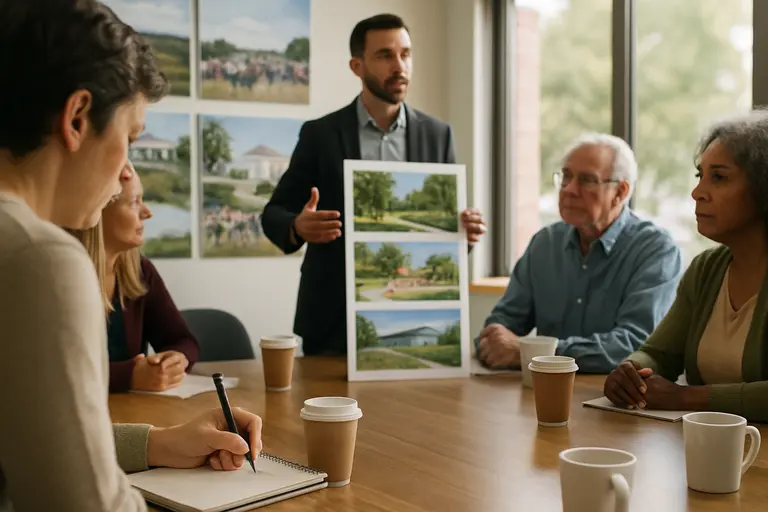
Residents who want to understand whether a local park will receive improvements should start with the official documents that govern the work. The most useful records are usually park master plans, capital improvement plans, grant acceptance resolutions, construction bid notices and parks board agendas. Those documents can identify whether a project is funded, whether design work has started, whether a contractor has been selected, and whether temporary closures are expected.
The public process also matters because park improvements affect more than recreation users. Nearby residents may be affected by parking changes, lighting, drainage work or construction access. Youth leagues, disability advocates, school districts, environmental groups and neighborhood associations may have different priorities for the same public site. A clear project record helps those groups respond to specific proposals rather than broad descriptions.
- Check whether the project appears in an adopted parks or capital plan.
- Confirm whether the funding is awarded, accepted by the local governing body, or still pending.
- Review whether the work includes design, construction, maintenance funding or only one phase.
- Watch for bid awards and construction notices before assuming a completion date.
For those looking to explore more on community and public services within the same network, One United Michigan provides related coverage. The same standard applies across regions: residents benefit most when agencies publish dates, funding amounts, project scope and meeting steps in a form the public can verify.
Community Park Enhancements And Local Green Spaces
The strongest evidence from the official 2026 announcements is that public agencies continued to put substantial money into local green spaces and recreation infrastructure. The Interior Department’s June 8 funding announcement set a national funding frame, while the Texas Parks and Wildlife Commission’s January 29 grants showed how one state directed money into specific local project categories. Together, those records support a cautious but useful reading of the current direction of park planning: public dollars are being tied to trails, playgrounds, open spaces, native landscaping, water access and family-oriented amenities.
For local governments, the next test is implementation. Community park enhancements become meaningful only when approved plans turn into accessible, maintained and well-documented public facilities. That requires clear budgets, realistic schedules, transparent procurement and continued public reporting after the ribbon-cutting. Residents do not need promotional language to evaluate whether a project is working; they need official records showing what was promised, what was built, what it cost and how the park will be maintained.