

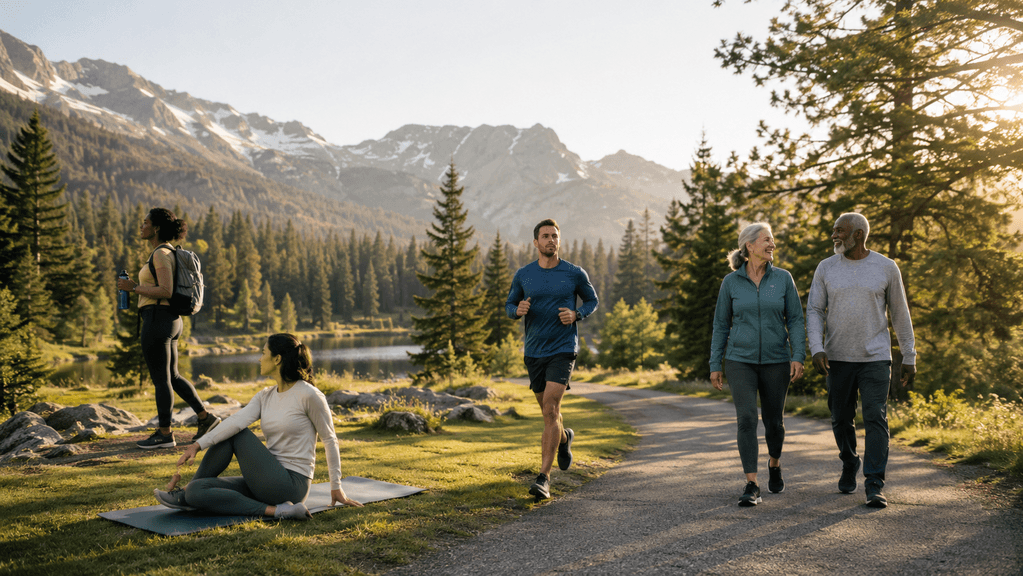
The United States faces escalating medical costs, rising rates of chronic illness, and a documented mental health crisis among youth and adults alike. Clinical treatments often react to these issues after they develop. A major national shift occurred in May 2026, treating time outside not as a recreational luxury, but as frontline preventative medicine.
The Outdoor Recreation Roundtable (ORR) convened top health executives, policymakers, and industry leaders in Washington D.C. to launch “America’s Outdoor Era.” This national initiative officially repositions the $1.3 trillion outdoor economy as a cornerstone of U.S. health infrastructure. The strategy treats parks, trails, and lakes as upstream solutions to prevent illness before it starts. The momentum from this national summit directly impacts how communities like Independence Township view and utilize public green spaces.
Reframing Public Parks As Health Infrastructure
Medical professionals consistently observe that treating symptoms of sedentary lifestyles outpaces preventative care. The ORR’s recent summit addressed this imbalance directly. Jessica Turner, President of the ORR, framed the situation with clarity. She asked if society will accept chronic illness and nature disconnection as the norm, or build a system where time outdoors acts as a core component of living well.
The data supporting this shift carries significant weight. The outdoor recreation sector currently supports 5.2 million jobs, proving the infrastructure already exists to support mass public engagement. The primary goal of America’s Outdoor Era involves aligning health systems, insurers, and land managers to make nature access a standard medical recommendation. Doctors across the country now issue “green prescriptions,” directing patients to local trails to manage high blood pressure, reduce anxiety, and improve joint mobility.
This national policy alignment validates what park directors have known for decades. Community parks serve a much larger purpose than aesthetic green space. They function as open-air clinics. Accessible paths offer low-impact cardiovascular training. Shaded picnic areas provide spaces for social connection, reducing isolation. Playgrounds support gross motor development and sensory regulation in children.
The Physiological Impact Of Time Outside
Replacing indoor, screen-heavy hours with outdoor activity triggers immediate biological benefits. Clinical research presented at the National Executive Forum on Health and Outdoor Recreation confirmed that consistent exposure to natural environments lowers cortisol levels. Cortisol acts as the body’s primary stress hormone. High levels over prolonged periods contribute to weight gain, sleep disruption, and weakened immune function.
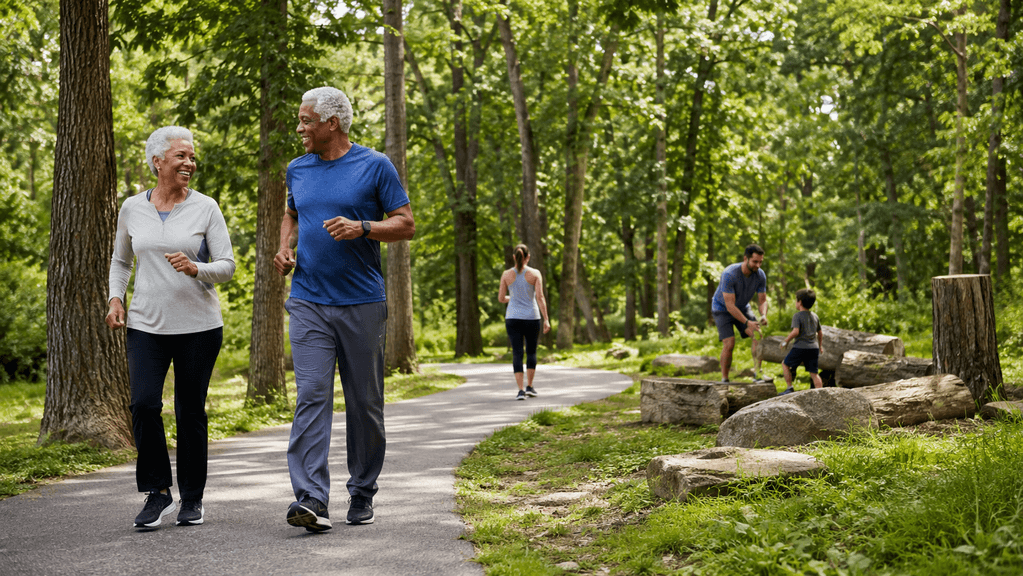
Walking through a wooded area like Independence Oaks County Park actively reduces that stress response. The simple act of moving across uneven terrain engages stabilizing muscles and improves proprioception in older adults. For children, unstructured outdoor play builds confidence and physical strength. They practice assessing risk by climbing playground structures or balancing on logs, developing cognitive skills indoor environments cannot replicate.
The ORR initiative emphasizes these exact physiological returns. A person does not need to hike a remote mountain to see results. Walking a paved community trail for thirty minutes three times a week creates measurable improvements in resting heart rate and mental clarity.
Applying The National Movement In Clarkston
The principles of America’s Outdoor Era translate directly to daily life in Independence Township. Residents do not need a referral or an expensive gym membership to participate in this preventative health model. The township manages hundreds of acres designed specifically to keep the community moving.
Families can leverage these local assets to build consistent, active routines. The variety of environments available means every age group and fitness level has a place to start. A teenager dealing with academic pressure might benefit from the quiet focus required to kayak on a local lake. An older adult managing joint pain can utilize the flat, paved walking paths for daily mobility work.
Matching Health Goals With Local Resources
| Health Objective | Preventative Outdoor Activity | Recommended Local Location |
| Cardiovascular Health | Brisk walking, jogging, or cycling | Clintonwood Park Trails |
| Stress Reduction | Immersive nature observation | Independence Oaks County Park |
| Gross Motor Skills | Unstructured climbing and active play | Sashabaw Plains Park |
| Social Connection | Group sports and shared activities | Bay Court Park |
Using this framework, planning a weekend schedule turns into a health strategy. Parents managing tight budgets can find free access to high-quality physical outlets. By viewing a visit to the park as a proactive health measure, families often prioritize the time differently. It stops being an optional leisure activity and becomes a necessary part of weekly maintenance.
Sustaining The Future Of Community Wellness
The push to recognize the outdoors as healthcare comes with a demand for better funding. During the May 2026 summit, the ORR announced the Rural Outdoor Recreation and Health Catalyst Grant Program. Backed by major philanthropic foundations, this program funnels resources directly into communities ready to use nature as an economic and health development tool.
Funding initiatives like this reflect a broader recognition at the federal and state levels. Maintaining trails, upgrading playground safety surfaces, and expanding inclusive public facilities requires significant capital. When national leaders categorize these spaces as critical health infrastructure, it opens new pathways for local municipalities to secure grants.
This investment directly benefits the user experience in Clarkston. Upgraded facilities ensure that individuals with mobility challenges can still access nature. Well-maintained sports fields allow more youth leagues to operate safely. The long-term durability of local parks depends on this exact type of high-level policy shift.
Actionable Steps For A Healthier Routine
Transitioning from a sedentary indoor routine to an active outdoor lifestyle requires minor behavioral adjustments rather than massive overhauls. The most successful changes happen incrementally. Families can start by auditing their weekly schedule to identify pockets of unused time.
Consider swapping one hour of weekend television for a visit to a new local park. Parents can sign kids up for youth sports clinics to guarantee structured physical activity during the summer months. Those programs teach fundamental athletic skills and build the stamina needed for lifelong fitness habits.
Here are simple ways to adopt the America’s Outdoor Era mindset:
- Schedule park visits on a shared family calendar the same way you would schedule a medical checkup or a dentist appointment.
- Keep a pre-packed bag with water, sunscreen, and proper footwear near the door to eliminate the friction of getting ready when it is time to leave.
Rethinking The Value Of Local Parks
The conversation around healthcare in the United States continues to shift toward prevention. The $1.3 trillion outdoor recreation economy stands ready to support that shift. National leaders and health executives recognize that fresh air, movement, and community connection provide profound medical value.
Independence Township residents sit in an ideal position to take advantage of this movement. The local infrastructure supports everything from intense athletic training to quiet, restorative nature walks. Treating these parks as extensions of the healthcare system empowers individuals to take control of their physical and mental well-being. Every walk around the lake, every afternoon on the playground, and every weekend hike acts as a direct investment in long-term health.