

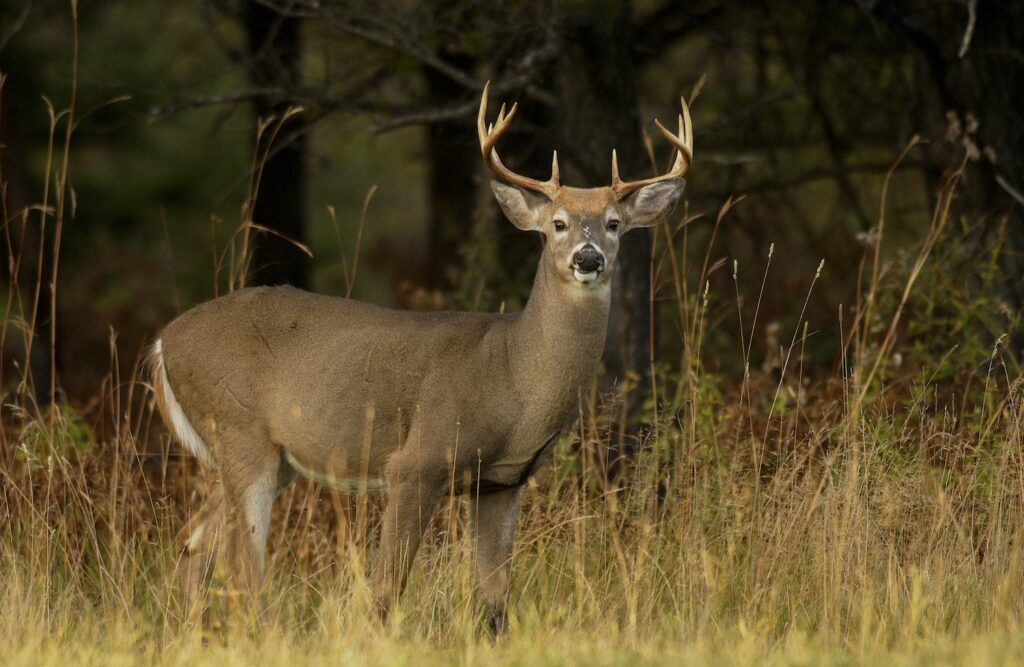
The Independence Township Parks, Recreation & Seniors department recently announced a new initiative. They are implementing the 2026 deer management program at Independence Oaks County Park. Wildlife sightings are definitely a cherished part of the outdoor experience. However, maintaining a balanced ecosystem requires active environmental stewardship. Without natural apex predators to keep populations in check, white-tailed deer numbers multiply rapidly. Consequently, they can easily exceed the land’s natural carrying capacity. This ultimately leads to severe ecological degradation.
Protecting this delicate balance is essential to preserving our beloved scenic landscapes. Furthermore, you can explore more of the pristine green spaces these conservation efforts protect. Just check out your ultimate guide to Independence Township’s 5 beautiful parks.
The Ecological Necessity of Population Control
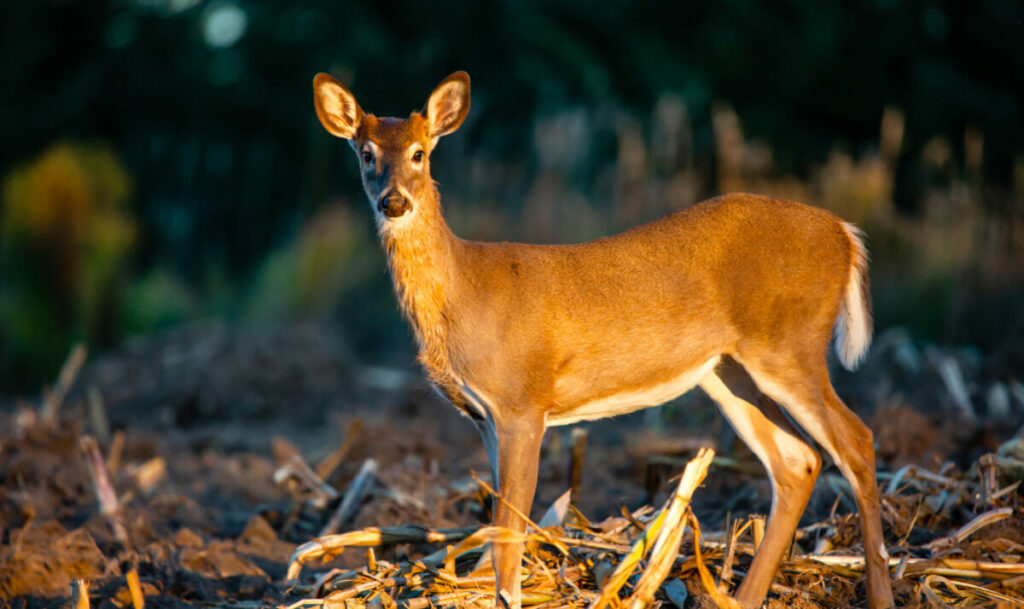
At the core of wildlife management is the concept of carrying capacity. Basically, this refers to the maximum number of individuals a specific environment can support. If a population stays below this limit, the habitat avoids long-term damage. When deer populations surpass this critical threshold, their intensive foraging behaviors cause immense harm. Specifically, they decimate native plant species, forest understories, and vital hardwood saplings.
This relentless overbrowsing strips away crucial habitats for ground-nesting birds, small mammals, and essential pollinators. Therefore, localized population control becomes a necessary, science-based intervention. It perfectly aligns with broader Michigan wildlife conservation guidelines. Ultimately, this program gives overgrazed forests a chance to regenerate and support diverse biological communities.
Protecting Community and Wildlife Health
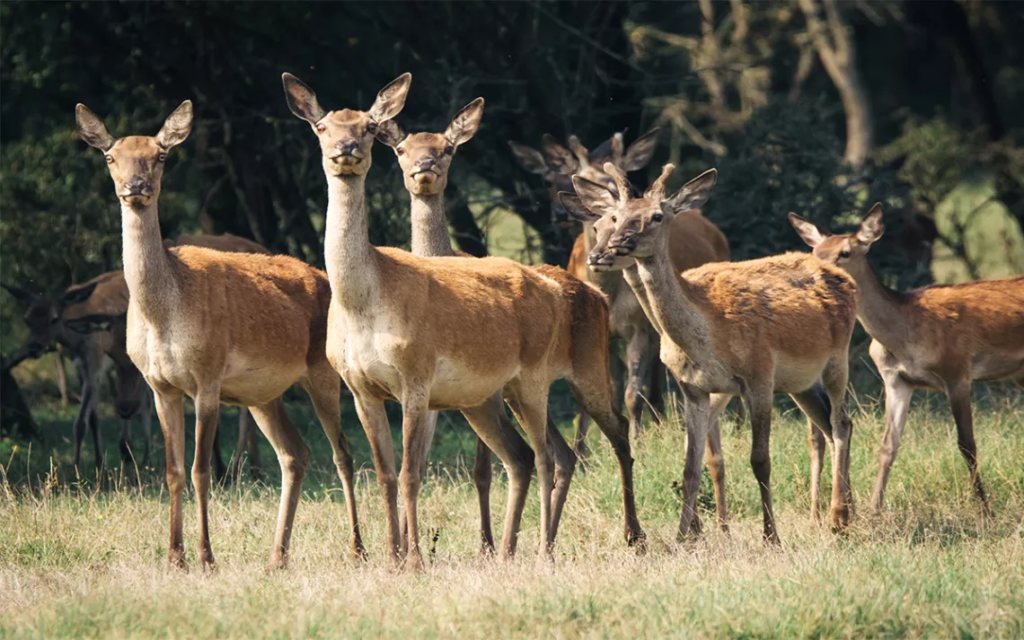
Beyond immediate habitat destruction, unnaturally dense deer populations present significant health risks. Indeed, these survival risks heavily impact the herd itself. High-density environments facilitate the rapid spread of transmissible illnesses. Most notably, Chronic Wasting Disease (CWD) poses a severe threat. It jeopardizes the long-term viability of the state’s cervid population.
Furthermore, resource depletion pushes deer out of natural foraging areas. Consequently, they wander into residential neighborhoods or busy commercial roadways searching for food. By systematically reducing herd density, wildlife biologists can mitigate dangerous deer-vehicle collisions. Simultaneously, they ensure the remaining deer have access to adequate nutrition throughout the harsh midwestern winter.
Ecological Indicators of Overpopulation
| Direct Impact on Local Ecosystem Health | What it Means for the Environment |
| Severe Browse Lines | Complete removal of vegetation below five feet, eliminating essential habitat cover for smaller wildlife. |
| Lack of Forest Regeneration | Systematic destruction of tree saplings, effectively preventing the growth of future forest canopies. |
| Increased Disease Prevalence | Higher transmission rates of fatal pathogens due to unnatural and unsustainable herd density. |
Implementation at Independence Oaks County Park
Independence Oaks County Park serves as a critical natural sanctuary within the region. It offers expansive habitats that require meticulous, data-driven monitoring. As a result, officials designed the 2026 initiative as a highly controlled and localized effort. They utilize strictly enforced methodologies to safely reduce numbers within targeted zones.
Additionally, park officials continuously assess browse damage and herd health metrics. This helps them determine the precise level of intervention required year over year. Residents and visitors can explore the various township park features with complete peace of mind. The municipality prioritizes public safety, operational transparency, and ethical wildlife management protocols above all else.
Advancing Long-Term Environmental Stewardship
Active wildlife management is rarely a one-time endeavor. Rather, it represents an ongoing commitment to ecological balance. Comprehensive environmental science actively drives the decisions behind the 2026 deer management program. Ultimately, these efforts aim to foster a resilient and sustainable landscape.
Independence Township is making difficult but necessary conservation choices today. Therefore, the township ensures its public lands remain vibrant and healthy. Because of these actions, future generations will enjoy biodiverse environments for years to come.