
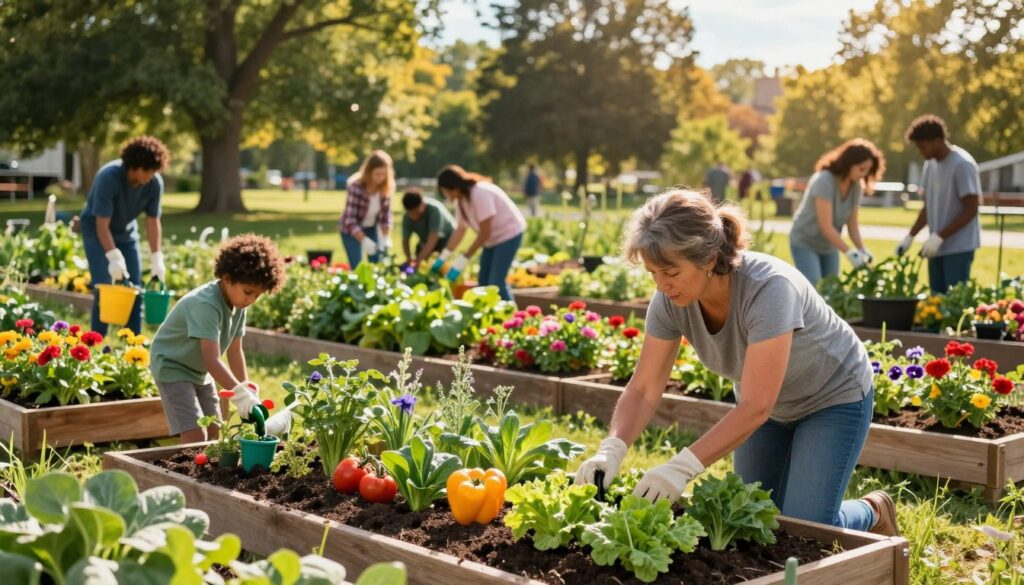
Ever feel like modern life is too clean? Too many screens and not enough dirt? Welcome to the intellectual rebellion in Clarkston’s community gardens.
Last July, the CCI/Speer team turned Grantham Elementary’s garden into a masterpiece. It’s not just about plants—it’s changing society with gardening.
At Jolly Avenue, 73 families from 12 countries grow food and share cultures. It’s like the United Nations of gardening, where you find real connections.
Corporate teams are now choosing garden volunteering over golf. It’s better networking, and you get to enjoy the harvest. The Clarkston Family Farm’s Pathways to Possibilities project makes everyone feel included.
Why volunteer? It’s a way to fight digital loneliness. By growing food with neighbors, you show you’re part of something real. Whether you’re checking out local garden plots or looking for volunteer opportunities, you’re building a community.
Gardening Benefits for Kids
Who needs screens when you can get your hands dirty? Grantham Elementary’s garden program shows that getting dirty might be cool. It’s a new cool for smart parents.
These kids are not just planting seeds. They’re learning about the world. They learn from seed to harvest, making science real. They learn about food in a way that’s fun and hands-on.
The garden’s snack program teaches kids about food. They learn that kale is good, not bad. They see tomatoes as something to be proud of. This way, they learn about food in a fun way.
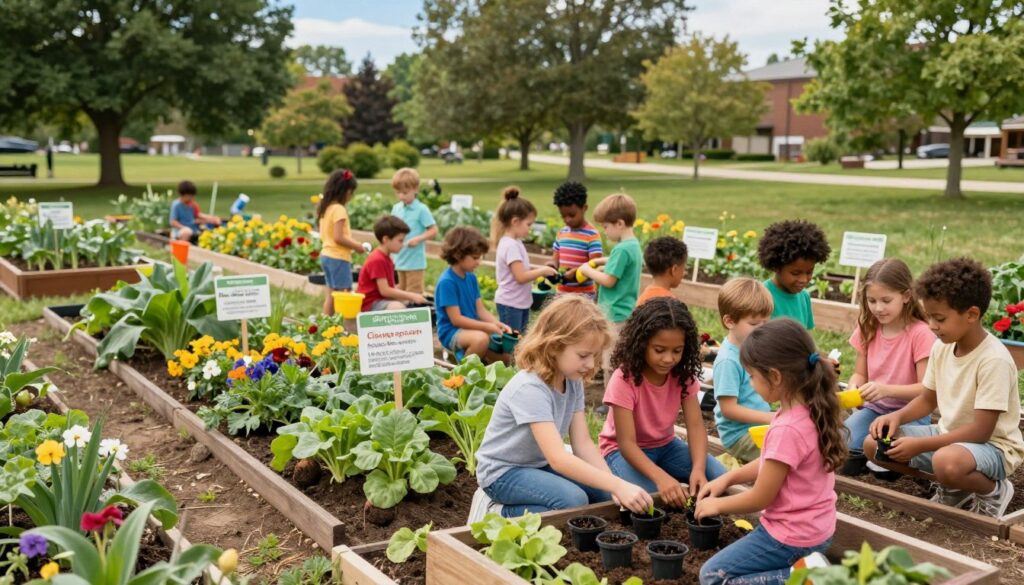
Community gardens Clarkston at Clarkston Family Farm take it to the next level. They grow plants and build communities. They teach kids about food and the environment in a unique way.
Their outdoor cooking and discovery ponds are special. They teach kids about nature in a fun way. Kids learn about the world in a way that’s different from screens.
The farm teaches kids about the environment in a hands-on way. They learn that food doesn’t just appear. This approach is different from just reading about it.
The farm’s way of teaching is fun and educational. It makes learning about science and math exciting. Kids learn without even realizing it.
When kids start asking questions at the grocery store, it’s amazing. They become young advocates for better food. They might help save our food system in the future.
Seasonal Planting Guide
Welcome to Clarkston, where planting is more than just growing food—it’s a cultural exchange. The staggered planting strategy at Grantham Elementary is like a UN meeting. It brings together plants from around the world to discuss their needs.
Jolly Avenue’s community gardens in Clarkston have turned vertical farming into a bold statement. They use bamboo trellises and old box springs to challenge traditional gardening. It’s like Frank Lloyd Wright designed a garden to protest the status quo. Their frost-date calculations are as accurate as political polls, showing that timing is everything.
Clarkston Family Farm’s seasonal programs are like an agricultural investment fund. They predict what the community needs before it’s popular. Their Sunflower Market trades more than just food—it trades in social connections. The recent pathway expansions help everyone, making gardening accessible to all.
Every season in Clarkston tells a story of growth and connection. The real harvest isn’t just food—it’s the bonds we form. The educational programs at our community gardens prove that the best learning happens outdoors. Here, food security and social justice grow together, one seed at a time.