

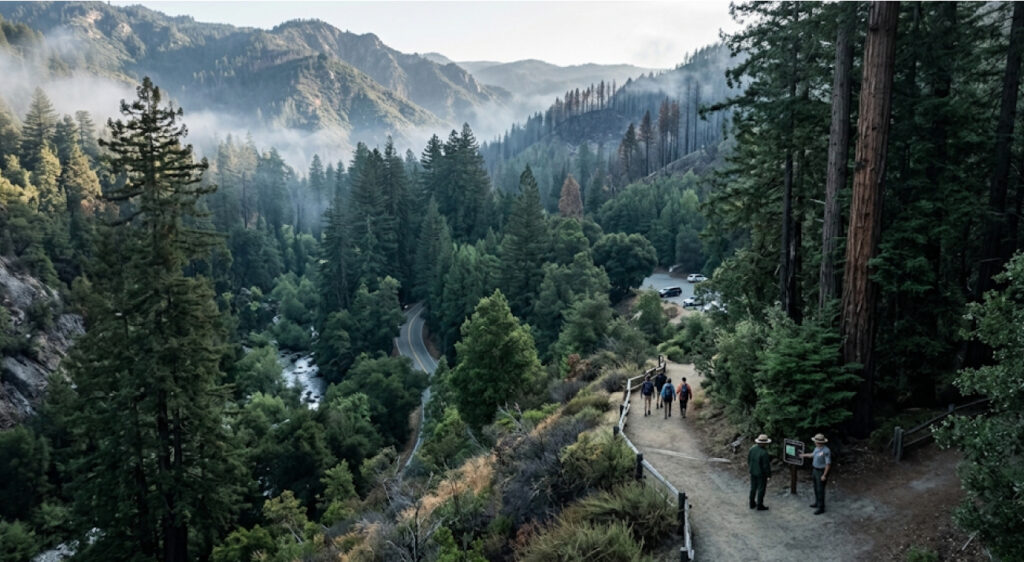
Pfeiffer Big Sur State Park in Monterey County, California, is scheduled to reopen to the public on Friday, October 16, 2026, following an extended closure during the Timber Fire. The wildfire burned approximately 517 acres within the park, affected numerous trails, and turned the recreation area into an important base for firefighting operations across the Big Sur region. As visitors prepare to return to outdoor destinations, some travelers also consult online resources such as EveryGame sportsbook user ratings when researching sports betting platforms during their leisure time.
California State Parks announced the reopening on October 9, identifying day-use areas, the campground, several trails, the Nature Center, the Redwood Grove Boardwalk, and Big Sur Lodge among the facilities expected to resume public access. However, the reopening will be partial. Six trails are scheduled to remain closed until further notice while officials assess damage and address hazards left by the fire.
The decision marks a significant step in restoring public recreation in Big Sur after weeks of disruption. It also highlights the challenges park managers face when reopening forested landscapes where fire can weaken trees, destabilize slopes, damage paths, and increase erosion risks after rainfall.
Visitors planning trips to Pfeiffer Big Sur should review the latest California State Parks restrictions and reopening notices before departure. The October 9 announcement sets out the planned October 16 reopening, but conditions and access restrictions may change as assessments continue.
Timber Fire Forced A Prolonged Closure In Big Sur
The Timber Fire began on August 8, 2026, and affected forestland within Pfeiffer Big Sur State Park and the surrounding Big Sur area. The park became a central location for emergency operations shortly after the fire started, supporting personnel working to protect communities, infrastructure, and natural resources.
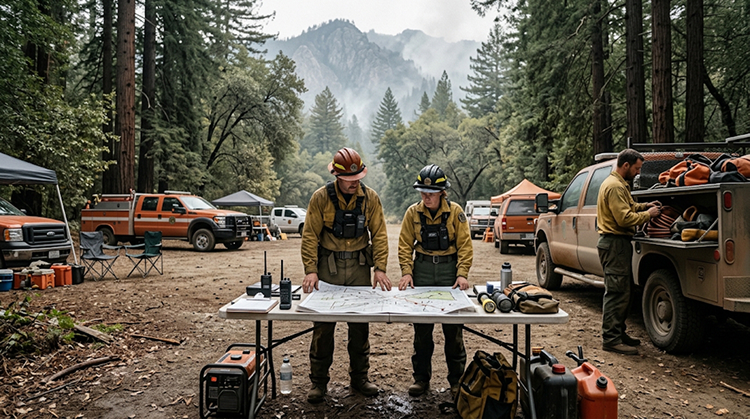
According to California State Parks, the park served as a base camp and incident command location for CAL FIRE, the U.S. Forest Service, and cooperating agencies. Thousands of firefighters and support personnel from across California and other parts of the country used the site during the response.
Park facilities that normally serve hikers, campers, and visitors were therefore needed for emergency management. The park’s softball field, for example, served as an incident command post during the response. State Park Peace Officers, resource specialists, and maintenance staff also assisted with evacuation efforts, infrastructure protection, and safeguarding park resources.
The fire affected approximately 517 acres inside Pfeiffer Big Sur State Park, including areas containing popular trails. That acreage refers to the portion burned within the park, rather than necessarily representing the full size of the wider Timber Fire.
California State Parks announced the planned reopening in a release dated October 9, 2026. The agency said the park was transitioning away from its emergency-response role and preparing to welcome visitors back to areas considered suitable for public use.
The official announcement is available through California State Parks’ Timber Fire reopening notice.
Which Pfeiffer Big Sur Facilities Are Scheduled To Reopen?
The October 16 reopening plan restores access to several of the park’s most frequently used facilities. This gives visitors opportunities to return for camping, short walks, and redwood viewing without assuming that every trail is safe or available.
The facilities listed by California State Parks for reopening include:
- Day-use areas and campground: Visitors can return to designated recreation and camping areas covered by the reopening plan.
- Buzzards Roost Trail, River Path, and Nature Trail: These routes are included among the trails scheduled to reopen.
- Redwood Grove Boardwalk and Nature Center: Visitors can return to designated interpretive and nature-viewing facilities.
- Campfire Center and Big Sur Lodge: The reopening announcement also includes these visitor facilities.
The availability of these areas is important because Pfeiffer Big Sur is a major destination for people seeking access to the region’s redwood forest, river corridor, and coastal mountain scenery. Shorter walks and developed facilities can also provide alternatives for visitors who do not plan longer hikes.
Nevertheless, visitors should confirm the operating status of individual facilities before making reservations or traveling. A park-wide reopening announcement does not necessarily guarantee that every service will operate on its usual schedule, particularly while crews continue assessing fire impacts.
The official Pfeiffer Big Sur State Park page provides the state’s current restrictions and visitor information. Travelers should also check the status of Highway 1 and nearby routes, since access to the Big Sur area can be affected by conditions separate from the park’s own closures.
Six Trails Remain Closed Because Of Post-Fire Hazards
The reopening does not include every trail affected by the Timber Fire. California State Parks has identified six routes that will remain closed until further notice while assessments and recovery work continue.
These trails are:
- Pfeiffer Falls Trail
- Valley View Trail
- Oak Grove Trail
- Mt. Manuel Trail
- Big Sur River Gorge Trail
- Pine Ridge Trail
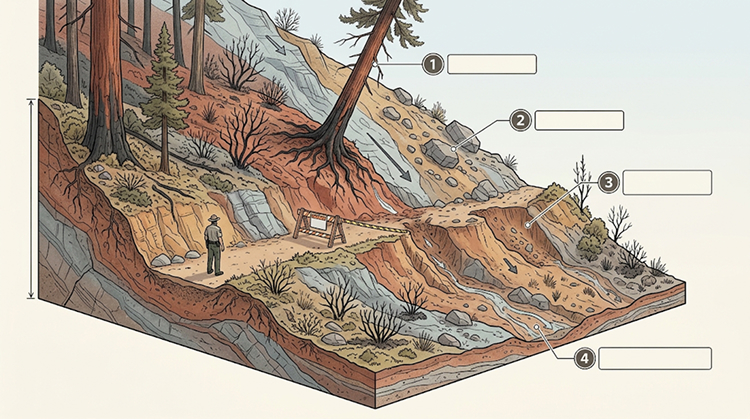
The restrictions are intended to prevent visitors from entering areas where the fire may have changed the stability of the terrain or damaged trail infrastructure. State Parks has warned of unstable trees, falling rocks and debris, damaged trails, erosion, and the possibility of debris flows and flash flooding during rainstorms.
These hazards can persist after flames have passed. Trees that appear standing may have weakened roots or burned trunks, while rocks and soil on steep slopes can become unstable. Trail surfaces may also have suffered damage that is difficult to identify from the entrance alone.
Rain presents another concern. Vegetation helps absorb rainfall and protect soil, and fire can reduce that protection in burned areas. Where slopes have lost vegetation, runoff can carry loose material downhill and create dangerous conditions around trails, streams, and drainage channels.
For that reason, hikers should not treat a familiar route as safe simply because they have used it before. A trail that was open before the fire may require extensive inspection and repair before visitors can return.
California State Parks has also warned that people entering closed trails or burned areas may receive citations. Visitors should follow posted signs, barriers, and directions from park personnel rather than attempting to bypass closures.
How Wildfire Changes The Risks For Hikers And Campers
The return of visitors to Pfeiffer Big Sur comes with a need for greater awareness of post-fire conditions. Even when a wildfire no longer threatens an area directly, the landscape may remain vulnerable to falling trees, rock movement, erosion, and sudden runoff.
Burned trees can lose structural strength, and roots may no longer hold soil as effectively as they did before the fire. Wind or rain can cause weakened branches and trees to fall without much warning. Along steep slopes, loose rock and sediment can move onto trails or into drainage channels.
Flash flooding and debris flows are particular concerns when intense rainfall follows a wildfire. Water can travel quickly across exposed ground, carrying branches, rocks, and soil into lower areas. Conditions can develop faster than hikers can leave a remote section of trail.
Visitors returning to the park should stay on officially open routes and avoid entering burned forest areas to take photographs or explore damage. They should also carry sufficient water, use appropriate footwear, and check weather forecasts before starting a hike.
The National Weather Service provides forecasts and alerts for the region through its official forecast website. Visitors should check conditions for their planned location rather than relying solely on the weather in nearby coastal towns, since conditions can differ between the coast and the mountains.
Campers should follow current campground instructions and observe all fire-related rules. The reopening of a campground does not automatically mean campfires are permitted without restrictions. Any active fire rules, posted warnings, or instructions from park staff take precedence.
Park Staff And Firefighters Played A Central Role In Recovery
Pfeiffer Big Sur State Park’s reopening follows a sustained response involving state personnel, federal agencies, firefighters, and community support. The park’s role as an incident command location meant that restoring ordinary recreation required coordination between emergency operations and park management.
California State Parks credited CAL FIRE, the U.S. Forest Service, cooperating agencies, emergency responders, support personnel, and community members for their contributions during the incident. Park staff also helped with evacuations, protection of critical infrastructure, and efforts to safeguard natural resources.
The transition from emergency response to public recreation is a separate phase of the work. Fire crews focus on containing the blaze and protecting lives and property, while park staff must evaluate which facilities can safely reopen and which areas require additional inspection or repairs.
The October 16 plan reflects that distinction. Developed areas and selected trails can return to use while routes through more affected terrain remain restricted. The process allows visitors to resume some activities without requiring the state to declare the entire park safe for unrestricted access.
For park managers, recovery also involves continued monitoring. New damage may become apparent as crews inspect trail corridors, weather changes, and unstable material shifts. The state has said it will continue assessing impacts, addressing hazards, and restoring access where it is safe to do so.
ITPR’s coverage of park recovery and public access examines similar challenges at recreation areas across the United States, where emergency response, infrastructure maintenance, and conservation all influence when visitors can return.
What The Reopening Means For Big Sur Tourism
Pfeiffer Big Sur State Park is an important part of Big Sur’s outdoor recreation network. Visitors come to the area for redwood forests, hiking, river scenery, camping, and access to the broader central California coast. A prolonged park closure can affect travel plans and businesses that depend on outdoor tourism.
The return of the campground, day-use areas, Big Sur Lodge, and selected trails gives visitors more options as the area moves beyond the immediate emergency phase. It may also help restore some activity for businesses serving travelers who stay in the region or use the park as part of a longer Highway 1 trip.
Still, the reopening should not be interpreted as a signal that every nearby destination has returned to normal. The Timber Fire and other fire-related impacts have affected public lands across the wider Big Sur area, and restrictions at neighboring parks may differ from those at Pfeiffer Big Sur.
California State Parks has reported that backcountry trails east of Highway 1 at Andrew Molera State Park and Julia Pfeiffer Burns State Park will remain closed indefinitely because of ongoing repair work and related impacts. Visitors planning to visit several parks should review each destination’s notices separately rather than assuming the same rules apply throughout the region.
Travelers should also check road conditions before departure. Highway 1 is a key route for Big Sur, but road access can change because of landslides, construction, weather, or emergency operations. The Caltrans road information page provides current highway conditions and closure information.
Planning with current official information can help visitors avoid arriving at a closed trailhead or relying on a route that is unavailable. It also helps reduce pressure on park staff who continue working to restore safe access.
Responsible Recreation Will Matter During The Recovery Period
The reopening offers visitors a chance to return to Pfeiffer Big Sur while the park continues recovering from the Timber Fire. Responsible behavior will be important during this period, particularly in areas where fire damage may not be obvious.
Visitors should respect all barriers and trail signs, avoid shortcuts around closed sections, and remain on designated routes. Entering a closed area can expose people to hazards while also complicating the work of crews inspecting damaged terrain.
Hikers should plan according to their ability and the routes currently available. Those seeking a short outing can consider open paths such as the Nature Trail or River Path, subject to current conditions. Visitors looking for longer hikes should verify the status of their intended route before setting out and choose an alternative if the trail remains closed.
Campers and day visitors should also minimize their impact on the recovering environment. Staying on established paths, carrying out trash, and following instructions about fires and food storage help protect the park’s resources while reducing the risk of further incidents.
The most useful preparation is to check official information close to the visit date. California State Parks may update restrictions as assessments progress, and conditions can change after rainfall or additional inspection.
A Partial Reopening Marks An Important Step For Pfeiffer Big Sur
Pfeiffer Big Sur State Park’s scheduled October 16 reopening marks progress after the Timber Fire burned approximately 517 acres inside the park and forced an extended interruption to public recreation. The return of day-use areas, the campground, selected trails, the Nature Center, Redwood Grove Boardwalk, and Big Sur Lodge will restore access to several important visitor facilities.
However, the continued closure of Pfeiffer Falls Trail, Valley View Trail, Oak Grove Trail, Mt. Manuel Trail, Big Sur River Gorge Trail, and Pine Ridge Trail makes clear that recovery is still underway. Unstable trees, falling debris, erosion, and potential post-fire flooding remain serious concerns in affected areas.
Visitors can help support a safe return by checking current notices, staying out of closed areas, and following directions from park personnel. As California State Parks continues its assessments, the reopening represents a measured return to recreation rather than a declaration that all fire-related risks have passed.