

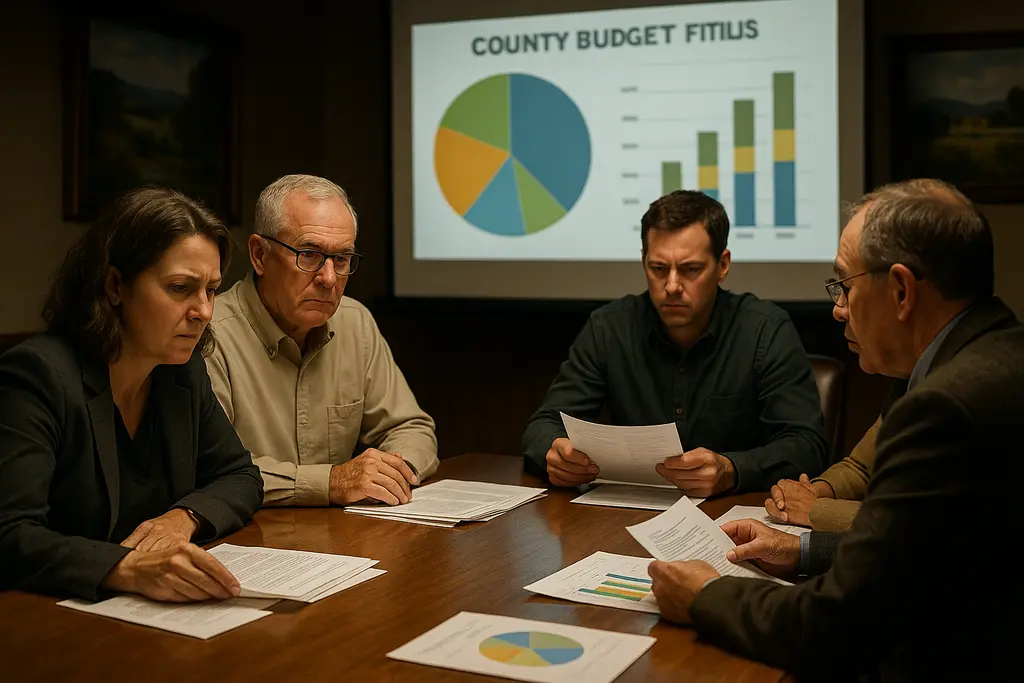
The Harnett County budget for fiscal year 2026-2027 took effect on July 1, 2026, and runs through June 30, 2027. According to BizFayetteville’s report on the Board of Commissioners’ adopted spending plan, the county raised the property tax rate, funded school and community college needs, increased support for rescue squads, added county positions, and identified several service and infrastructure investments BizFayetteville reported.
What The Harnett County Budget Changed
Harnett County Budget Timeline
The budget period is already underway as of August 18, 2026. That timing matters for residents because the fiscal year is not a proposal phase; the adopted plan is now the operating framework for county departments. The clearest household-facing change reported in the adopted plan is the property tax rate increase to $0.63 per $100 of assessed value, up from $0.591. BizFayetteville described it as the county’s first property tax rate increase in four years.
The Harnett County budget also set spending priorities across education, public safety, employee compensation, libraries, parks, broadband, emergency vehicles, transit vehicles and greenway development. For residents, the practical effect depends on where they interact with county services: school families may watch education and construction funding, rural households may be most affected by library outreach and broadband work, and transit users may watch vehicle replacement plans.
Tax Rate And Service Tradeoffs
A higher tax rate can affect property owners directly, while county services are spread across schools, safety, libraries, recreation and infrastructure. The adopted plan, as reported, links the increased rate with a broad set of operating and capital needs rather than a single project. The reported budget choices show county leaders funding both routine service delivery and longer-term facilities or equipment needs during the same fiscal cycle.
That distinction is useful for public review. A budget that includes employee pay adjustments, school debt service, library staffing, rescue squad funding and vehicle replacement is not only a spending document. It also signals how the county intends to maintain staffing, facilities, access points and public-facing programs through June 30, 2027.
Education Funding Leads Major Service Commitments
School And College Allocations
According to the reported adopted budget, Harnett County Schools received $45.99 million. The county also designated $12.23 million for debt service tied to current and future school construction. Central Carolina Community College received $2.55 million, and $1.4 million was set aside for capital maintenance under the Capital Improvement Plan.
Those figures place education among the largest named service areas in the reported budget. The school allocation addresses operations, while the debt service figure relates to construction obligations. The community college funding recognizes another local education provider, and the capital maintenance amount addresses facilities needs identified in the county’s planning process.
Why Education Funding Affects Community Wellness
From a community wellness standpoint, school and college funding matters because education facilities are part of daily neighborhood life. Families interact with school buildings, transportation systems, student services and campus facilities throughout the year. The research does not provide school-by-school project lists, so any assessment of specific classroom or campus effects should wait for county or school district documents tied to the adopted appropriations.
The Harnett County budget gives residents several concrete items to follow at future public meetings: how the school allocation is applied, how debt service aligns with construction schedules, how capital maintenance projects are prioritized, and whether community college funding is connected to specific local workforce or campus needs. Those next steps require official meeting materials from the county, school board or college before drawing project-level conclusions.
Public Safety And County Workforce Funding
Rescue Squad Support And Building Screening
BizFayetteville reported a 10% funding increase for all rescue squads in the adopted fiscal year plan. The budget also included implementation of weapons detection systems in all county buildings. The research does not specify deployment dates, equipment vendors or building-by-building schedules, so those details should be treated as not yet established in the available material.
For residents, the rescue squad increase is the most direct public safety service item identified in the research. Rescue squads are part of the local emergency response network, and funding changes can affect how agencies plan staffing, equipment and operations. The weapons detection systems item affects public access to county buildings, especially for residents attending meetings, visiting service offices or using public facilities.
Employee Pay And Staffing Changes
The reported budget included a 3% cost of living adjustment for county employees and a 2% market adjustment intended to align salaries with market rates. It also created 21 new full-time positions and reclassified 15 existing positions. Those staffing choices indicate that the county treated workforce capacity as part of its service plan for the fiscal year.
County staffing decisions can affect service wait times, inspection capacity, administrative processing and public access to departments. The research does not identify the departments receiving each new position or reclassification. Residents seeking department-level effects should review future county agenda packets, personnel summaries or department presentations as they become available.
Libraries, Parks And Rural Access Investments
Bookmobile And Library Programming
The adopted plan, according to the research, increased funding for library programs and introduced a Bookmobile intended to serve rural areas. That item is significant for residents who live farther from a library branch, though the available source material does not provide routes, service schedules or start dates.
Library access is a community service issue as well as an education issue. Branch programs can support children, older adults, job seekers and families looking for public information resources. A mobile service model can extend library contact beyond fixed buildings, but the real effect will depend on how the county schedules stops and communicates service availability.
Parks, Greenways And Everyday Recreation
The Harnett County budget also included development of county parks and greenways for recreation. The research does not list specific park sites, trail segments, construction timelines or total project costs. That means residents should be cautious about assuming which neighborhoods will see improvements first.
Even without site-level detail, the category is relevant to local wellness. Parks and greenways can support walking, family activity, outdoor gatherings and low-cost recreation. For public accountability, the key questions are which projects are funded, whether maintenance is included alongside new development, and how the county will communicate closures or construction impacts once work begins.
Infrastructure Projects And Economic Development Links
Broadband, EMS And Transit Vehicles
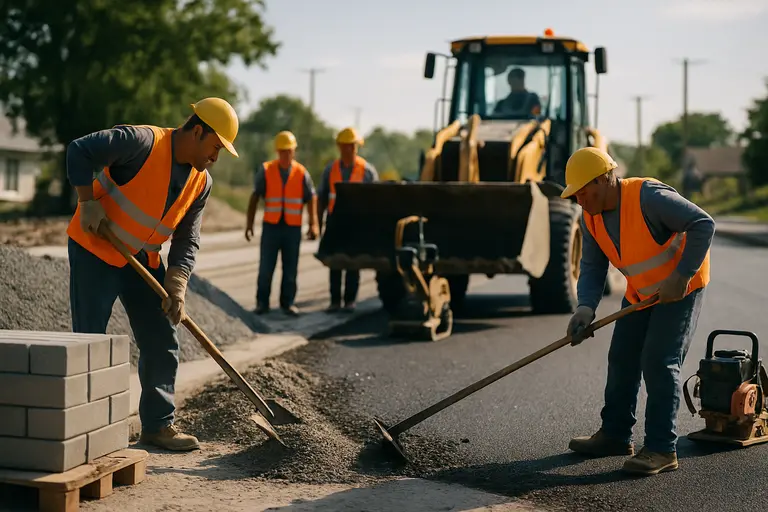
The adopted spending plan identified several infrastructure and county initiative categories: broadband expansion projects, greenway development, replacement of Emergency Medical Services vehicles and replacement of Harnett Area Rural Transit System vehicles. The research does not provide vehicle counts, route changes, broadband locations or procurement schedules.
Those missing details matter because infrastructure benefits are often location-specific. Broadband expansion is most useful to households and businesses in areas with weak or unavailable service. Transit vehicle replacement may affect reliability, accessibility and maintenance planning, but the public impact cannot be measured from the available budget summary alone.
Western Harnett Innovation Park
Separate from the adopted fiscal year budget, Harnett County Economic Development announced in February 2026 that the county secured $656,051 from the Golden LEAF Foundation to support Phase 1 development of 40 acres at Western Harnett Innovation Park Harnett County Economic Development announced. The official announcement said the project was intended to support site development to attract new businesses and create jobs.
That grant is not the same line item as the adopted county budget, but it connects to the county’s broader infrastructure and economic development planning. Industrial park preparation can involve utilities, roads, site grading or other readiness work, depending on the project scope. The available announcement supports the funding amount, acreage and stated purpose, but it does not provide a full construction calendar in the research provided.
| Budget Area | Reported Change Or Allocation | Resident Questions To Follow |
|---|---|---|
| Property tax rate | $0.63 per $100 of assessed value | How will the rate affect individual tax bills after assessed values are applied? |
| Harnett County Schools | $45.99 million | How will school leaders apply county funding across operations and needs? |
| School debt service | $12.23 million | Which current and future construction obligations are covered? |
| Central Carolina Community College | $2.55 million | Which campus or program needs are tied to the allocation? |
| Rescue squads | 10% funding increase | How will agencies apply the added support? |
| County workforce | 3% COLA, 2% market adjustment, 21 new full-time positions | Which departments receive added staffing capacity? |
How Residents Can Track Budget Decisions
Documents And Meetings To Watch
The Harnett County budget now moves from adoption to implementation. Residents who want to understand neighborhood-level effects should watch county commission agendas, department presentations, school board materials, library announcements and parks updates. The budget names broad categories, but many practical details are likely to appear later through contracts, bid awards, schedules or department reports.
Several questions are suitable for public comment or direct inquiries to county offices:
- Which county buildings will receive weapons detection systems first, and what public entry procedures will change?
- What routes and schedule will be used for the Bookmobile serving rural areas?
- Which broadband areas, greenway segments, parks projects and vehicle replacements are scheduled during fiscal year 2026-2027?
- Which departments will receive the 21 new full-time positions and the 15 reclassified positions?
Residents interested in county government affairs in nearby regions can also explore civic activities through County Watchers, a related site in the same network. For Harnett County specifically, staying informed about budget implementation involves linking each budget category with an official agenda item, department update, or capital project record to ascertain how services may evolve within specific communities.
Harnett County Budget Watch Points For Residents
The adopted plan set a higher property tax rate and identified investments in schools, rescue squads, county staffing, libraries, parks, broadband, EMS vehicles, rural transit vehicles and greenways. Those are broad but meaningful categories for residents who depend on public services.
The strongest supported takeaway is that the Harnett County budget combines operating needs with capital and equipment priorities during the July 1, 2026, to June 30, 2027, fiscal year. The available research supports the major dollar figures and categories, but it does not identify every project location, route, vendor or construction schedule.
For community members, the next civic step is to track implementation rather than revisit adoption alone. The questions now are practical: where the Bookmobile stops, which parks or greenways receive work, how rescue squad increases are used, which vehicles are replaced, which departments gain staff, and how school construction debt service aligns with facility planning. Those details will determine how the budget is felt in daily life across Harnett County.