

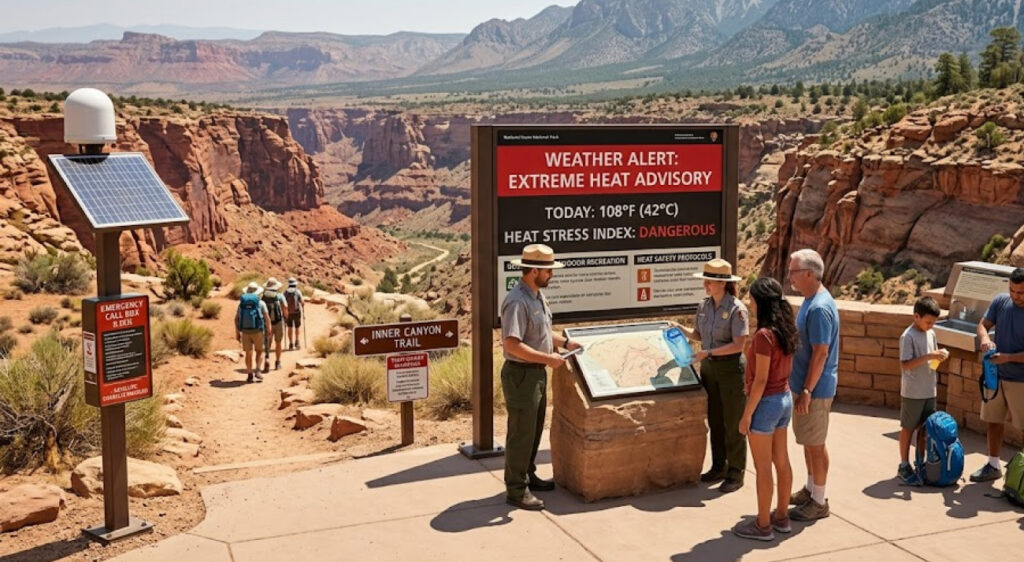
National Parks Increase Heat Safety Planning As Summer Recreation Demand Continues Growing
Extreme summer temperatures are changing how national parks prepare for millions of visitors seeking outdoor experiences across the United States. The National Park Service (NPS) has expanded visitor safety communication, emergency planning, and public education efforts as heat-related risks become a greater factor in recreation management.
Parks located in desert environments, high-elevation regions, and areas with limited access to water are placing greater attention on visitor preparation before and during summer trips. Locations such as Grand Canyon National Park in Arizona, Death Valley National Park in California, Joshua Tree National Park in California, and Yellowstone National Park across Wyoming, Montana, and Idaho have increased messaging around hydration, weather awareness, trail conditions, and emergency response.
The growing focus on summer safety reflects a broader shift in how public recreation agencies manage outdoor spaces. Park operations now include stronger communication systems, updated visitor guidance, and coordinated planning between rangers, emergency teams, and local partners.
The National Park Service visitor safety information provides resources that help visitors prepare for changing conditions and make informed decisions before entering national park environments.
Extreme Heat Creates New Challenges For Outdoor Recreation Management
National parks welcome hundreds of millions of visitors annually, with summer representing one of the busiest periods for many destinations. Increased visitation combined with high temperatures creates additional challenges for park managers responsible for protecting visitors while preserving natural resources.
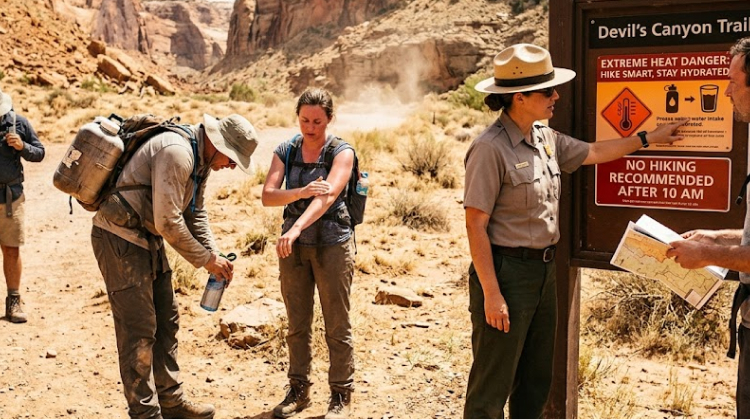
Heat exposure can become especially dangerous in areas where trails involve steep elevation changes, limited shade, or long distances between facilities.
Grand Canyon National Park is one of the most recognized examples of these challenges. The park’s inner canyon can experience temperatures significantly higher than those recorded near the South Rim, creating increased risks for hikers traveling below the rim during summer months.
Park officials continue encouraging visitors to prepare with adequate water, appropriate clothing, realistic hiking plans, and awareness of personal limits.
| Park | Summer Safety Challenge |
|---|---|
| Grand Canyon National Park, Arizona | Extreme heat during inner canyon hiking |
| Death Valley National Park, California | Very high desert temperatures and limited shade |
| Joshua Tree National Park, California | Remote trails and limited water availability |
| Yellowstone National Park | Wildlife encounters, weather changes, and elevation concerns |
The Centers for Disease Control and Prevention heat safety guidance highlights similar preparation strategies used nationwide, including hydration, heat awareness, and planning outdoor activities around environmental conditions.
Grand Canyon National Park Strengthens Visitor Education During Peak Heat Months
Grand Canyon National Park remains one of the most visited national parks in the country, attracting millions of visitors each year to experience its trails, viewpoints, and natural features.
The park’s safety programs focus heavily on visitor education, particularly for individuals planning hikes below the canyon rim. Rangers regularly communicate the challenges associated with desert environments, including temperature differences between the rim and inner canyon.
During summer months, the National Park Service provides updated information about trail conditions, water availability, and hiking recommendations. These efforts are aimed at helping visitors make safer decisions before beginning physically demanding activities.
The park’s approach demonstrates how modern visitor management relies on communication before emergencies occur. Digital alerts, ranger conversations, signs, and online resources all contribute to improving visitor awareness.
Previous ITPR coverage on park visitor management explored how national parks are improving planning systems to manage increasing recreation demand while maintaining safe experiences.
Death Valley National Park Uses Communication And Emergency Planning To Address Extreme Temperatures
Death Valley National Park represents one of the most challenging environments managed by the National Park Service. Known for some of the highest recorded temperatures on Earth, the park requires careful visitor preparation throughout the year, especially during summer.
The park’s remote roads, large geographic area, and limited services require visitors to plan carefully before traveling.
Safety initiatives include:
- Updated weather warnings and visitor alerts
- Public education about heat exposure
- Emergency response coordination
- Guidance on vehicle preparation and hydration
Death Valley’s approach demonstrates how parks must adapt operations based on local environmental conditions. Safety programs are not identical across the national park system; each location requires strategies based on terrain, climate, visitor behavior, and available resources.
The National Weather Service heat safety resources support similar public awareness efforts by providing information about heat risks and preparation strategies.
Digital Communication Becomes A Key Tool For Visitor Safety
Technology has become an important part of how national parks communicate with visitors before and during recreation activities.
The National Park Service uses websites, mobile updates, social media channels, alerts, and digital maps to provide current information about weather conditions, road closures, trail updates, and safety concerns.
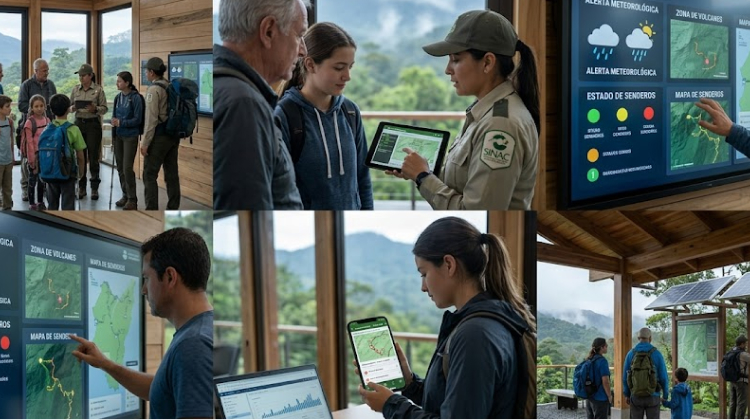
This communication model allows visitors to adjust plans before reaching areas where conditions may create additional risks.
For example, a visitor preparing for a desert hike can review current weather information, check available water sources, and determine whether conditions are appropriate for the planned activity.
Digital communication also helps reduce pressure on park staff by providing visitors with accessible information before they arrive.
The expansion of these systems reflects broader changes in public recreation management. Parks increasingly depend on timely information sharing as part of daily operations, especially during periods of high visitation.
Yellowstone National Park Balances Summer Visitation With Safety Management
Yellowstone National Park faces a different set of summer safety challenges compared with desert parks. The park’s concerns include rapidly changing weather conditions, wildlife encounters, traffic congestion, and large numbers of visitors traveling through expansive areas.
During peak seasons, Yellowstone receives millions of visitors who explore geothermal areas, wildlife viewing locations, hiking trails, and scenic routes.
Safety programs focus on visitor education related to wildlife distances, trail preparation, changing weather, and responsible recreation practices.
Rangers play an important role in communicating safety expectations through visitor centers, patrols, educational programs, and direct interaction with guests.
Managing a large number of visitors across a massive geographic area requires coordinated planning between park leadership, emergency personnel, and regional partners.
The park’s summer operations show that visitor safety involves more than responding to emergencies. Effective planning depends on education, communication, infrastructure, and visitor cooperation.
Climate Conditions Influence Future Park Safety Planning
Extreme summer conditions are influencing how recreation agencies plan for future visitor needs.
National parks are reviewing infrastructure, communication strategies, emergency procedures, and visitor education programs as weather patterns create new operational challenges.
Future improvements may include:
- Additional shade structures and rest areas
- Improved trail information systems
- Expanded ranger education programs
- Updated emergency communication tools
These strategies are part of a broader effort to maintain access to outdoor spaces while reducing risks associated with changing environmental conditions.
Public recreation agencies are increasingly balancing two priorities: allowing visitors to enjoy natural areas while creating systems that support safer experiences.
National Parks Continue Adapting Safety Programs For Changing Visitor Needs
The National Park Service’s expanded summer safety programs demonstrate how recreation management continues evolving alongside visitor demand and environmental conditions.
From the extreme desert temperatures of Death Valley and Grand Canyon to the diverse conditions of Yellowstone, each park requires specific strategies based on geography, climate, and visitor activity.
Safety communication, digital updates, ranger education, and emergency planning are becoming central components of modern park operations.
As more people participate in outdoor recreation, national parks will continue developing programs that help visitors prepare responsibly while preserving access to some of America’s most valued natural spaces.