

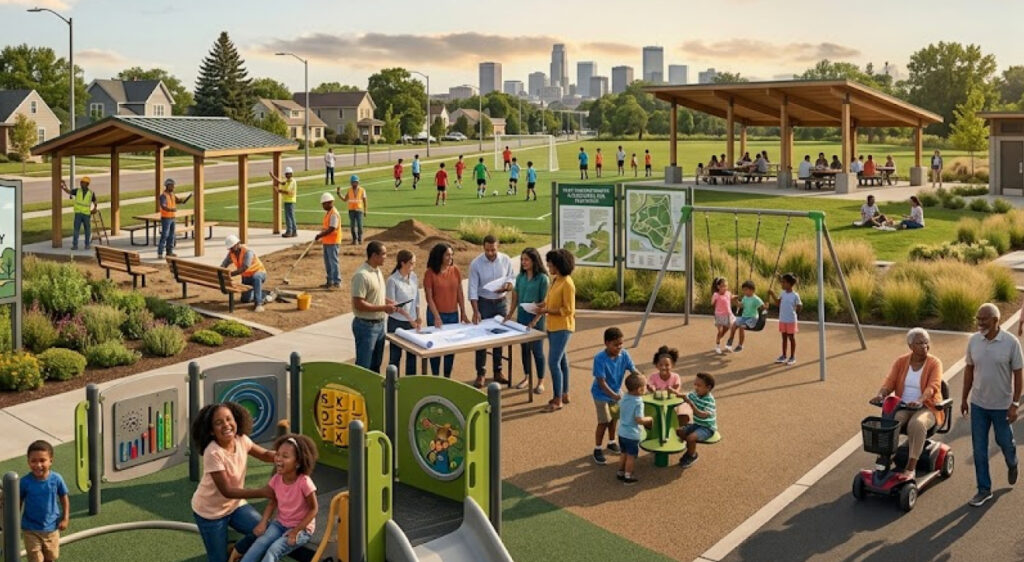
Federal Outdoor Recreation Investment Supports New Community Park Development
Communities across the United States are receiving expanded support for outdoor recreation projects as federal funding continues to improve parks, trails, playgrounds, and public open spaces.
The U.S. Department of the Interior is directing significant resources through the Land and Water Conservation Fund (LWCF), helping states and local governments complete recreation projects that increase public access and improve the quality of community facilities.
In 2026, the Department of the Interior announced more than $461 million in LWCF grants for outdoor recreation projects across all 50 states, territories, and the District of Columbia. When combined with required matching investments from recipients, the funding represents more than $900 million in total outdoor recreation improvements.
The projects reflect a national effort to strengthen community recreation infrastructure, expand outdoor access, and support public spaces that contribute to health, education, and community connection.
The Land and Water Conservation Fund program remains one of the primary federal tools supporting local park development, conservation initiatives, and recreation improvements throughout the country.
Land And Water Conservation Fund Drives Local Park Improvements
The Land and Water Conservation Fund has supported public recreation projects for decades, providing financial assistance to state and local agencies developing outdoor spaces for residents.
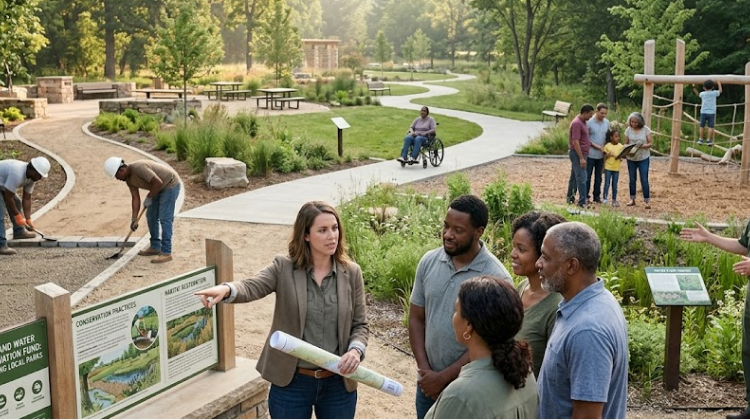
Funding from the program helps communities address changing recreation needs through projects such as:
- New playgrounds and recreation facilities
- Trail construction and improvements
- Park accessibility upgrades
- Sports fields and community spaces
- Waterfront recreation projects
Local governments use these investments to improve existing parks while creating new opportunities for residents.
| Investment Area | Community Impact |
|---|---|
| Trail improvements | Expands walking, hiking, and cycling access |
| Park renovations | Updates aging recreation infrastructure |
| Accessibility projects | Supports participation for residents of different abilities |
| Outdoor facilities | Creates spaces for sports and community activities |
The scale of these investments demonstrates the growing importance of parks within community planning. Public recreation spaces are increasingly viewed as important infrastructure that supports physical activity, social connection, and quality of life.
Federal Funding Helps Communities Modernize Recreation Infrastructure
Many communities across the country are using federal recreation grants to address aging facilities and increasing demand for outdoor spaces.
Population growth, changing recreation preferences, and increased interest in outdoor activities have encouraged cities and counties to rethink how parks serve residents.
Modern park improvement projects often include more than simple renovations. Many communities are incorporating:
- Accessible pathways and facilities
- Multi-use trails
- Inclusive playground equipment
- Environmental education areas
- Community gathering spaces
These improvements allow parks to serve broader populations while supporting different recreation interests.
The National Recreation and Park Association research highlights the role of parks and recreation systems in supporting community health, environmental benefits, and social connections.
Federal investment allows local agencies to complete projects that may otherwise require longer timelines or reduced scope. Matching funds from state and local partners also increase the overall impact of each federal dollar.
State And Local Partnerships Expand Outdoor Recreation Access
The Department of the Interior funding model depends heavily on partnerships between federal agencies, state governments, and local communities.
States identify recreation priorities based on regional needs, while local governments develop projects that reflect community demand.
This partnership approach allows funding to support different types of recreation environments across the country.
A rural community may prioritize trail development and natural area access, while an urban neighborhood may focus on playground renovations, green spaces, or recreation centers.
Examples of funded recreation priorities include:
| Community Type | Common Project Focus |
|---|---|
| Urban areas | Parks, playgrounds, recreation facilities |
| Rural communities | Trails, open spaces, outdoor access |
| Coastal regions | Waterfront recreation areas |
| Growing suburbs | Multi-use parks and family facilities |
The flexibility of the program allows communities to address local recreation challenges while contributing to broader national outdoor access goals.
Michigan Uses Recreation Investments To Improve Public Park Experiences
Michigan provides an example of how state and local recreation investments support residents through improved facilities and expanded outdoor opportunities.
The Michigan Department of Natural Resources manages one of the largest state park systems in the country, with more than 100 state parks and recreation areas.
Projects across Michigan have focused on improving visitor facilities, accessibility, trails, and recreation infrastructure.
Locations such as Belle Isle Park, Tahquamenon Falls State Park, and Waterloo Recreation Area represent different examples of how park improvements can serve urban residents, tourists, and outdoor recreation users.
Urban parks such as Belle Isle provide recreation opportunities within major population centers, while natural destinations such as Tahquamenon Falls support hiking, camping, and nature-based tourism.
The continued investment in these areas reflects a broader trend among states: improving existing recreation assets while expanding access for new visitors.
Federal Park Investments Support Community Wellness Goals
Community parks play an important role in supporting public wellness by providing accessible locations for exercise, recreation, and outdoor experiences.
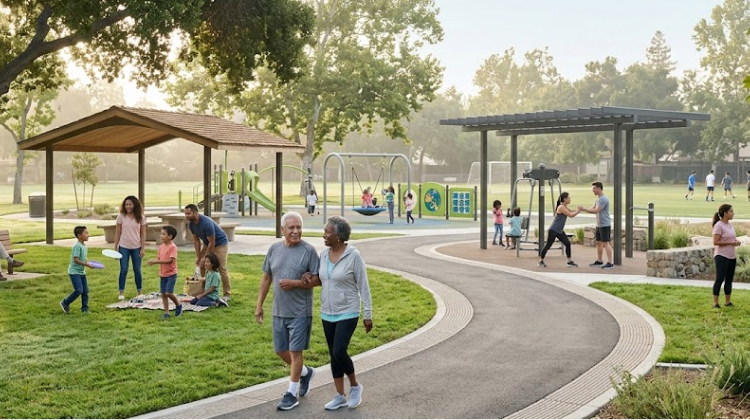
Research from public health organizations has connected access to green spaces with increased physical activity and improved community well-being.
Federal recreation investments contribute to these outcomes by helping communities create spaces where residents can walk, play sports, participate in programs, and spend time outdoors.
The relationship between parks and wellness has become increasingly important as communities seek practical ways to encourage healthier lifestyles.
Outdoor recreation spaces provide opportunities for residents of different ages to participate in activities close to home.
Children use playgrounds and sports facilities, adults participate in fitness activities, and older residents benefit from walking paths and accessible outdoor areas.
Park Accessibility Becomes A Major Focus Of Recreation Development
Accessibility improvements are becoming a central component of modern park projects.
Communities are investing in designs that allow more residents to participate, including people with mobility challenges, families with young children, and older adults.
Accessibility-focused projects may include:
- Improved trail surfaces
- Accessible playground features
- ADA-compliant facilities
- Inclusive recreation equipment
- Better transportation access
These upgrades reflect a broader shift in recreation planning. Park systems are moving toward spaces that support participation from a wider range of community members.
Previous ITPR coverage on inclusive recreation programs highlights how recreation agencies are increasing opportunities through accessible programming and infrastructure.
Outdoor Recreation Investments Create Economic And Community Benefits
Beyond recreation opportunities, park improvements can generate economic benefits for communities.
Improved parks can increase tourism activity, support local businesses, and create stronger community environments for residents.
Outdoor recreation has become a significant part of the U.S. economy. According to the Bureau of Economic Analysis, outdoor recreation contributed more than $600 billion to U.S. economic output in recent years, demonstrating the importance of outdoor activities across multiple sectors.
Communities investing in parks often see benefits connected to tourism, property value, local events, and community engagement.
A well-maintained park can become a central location for festivals, educational programs, sports activities, and neighborhood gatherings.
Future Recreation Planning Will Continue Prioritizing Public Access
Federal investments in community parks represent a long-term commitment to improving outdoor recreation opportunities throughout the United States.
As communities continue experiencing increased demand for trails, green spaces, and recreation programs, investments in infrastructure will remain an important part of local planning.
The Department of the Interior funding approach demonstrates how federal resources can support projects that directly affect residents in cities, suburbs, and rural communities.
From playground improvements to major trail systems, these investments strengthen the connection between public spaces and community life.
Public parks continue evolving into important resources for recreation, wellness, education, and environmental awareness. Federal funding programs provide communities with the resources needed to maintain these spaces and create new opportunities for future generations.