

Public Parks Become Outdoor Classrooms Through Education And Community Programs
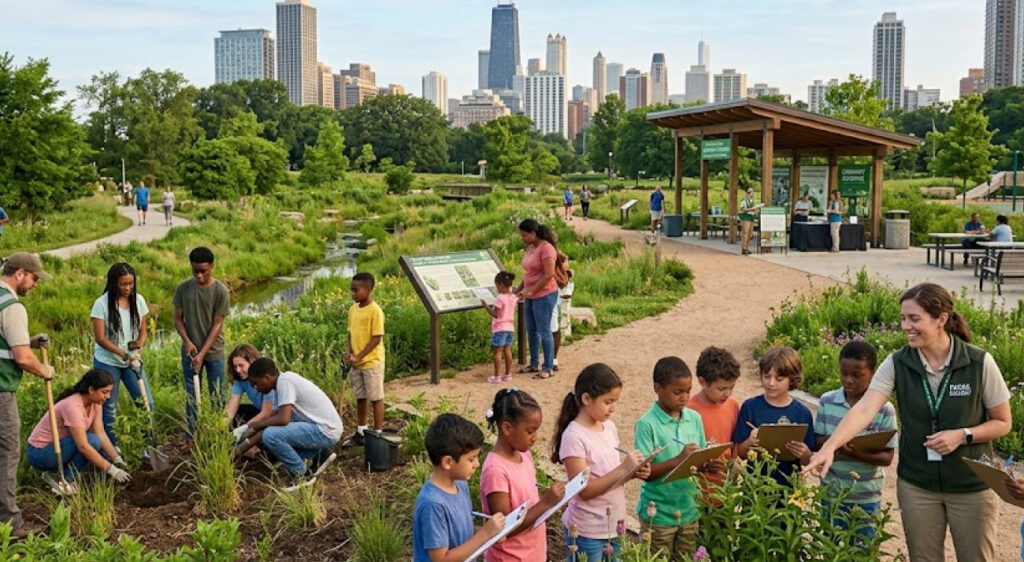
Cities across the United States are increasing investment in outdoor learning programs as public parks become important spaces for environmental education, youth development, and community engagement.
Municipal recreation agencies, park departments, and community organizations are expanding programs that connect residents with nature through hands-on activities, science education, conservation projects, and outdoor experiences.
The growth of outdoor learning reflects a broader shift in recreation planning. Parks are no longer viewed only as locations for sports, playgrounds, and leisure activities. They are increasingly being used as educational environments where children, families, and community members can develop knowledge about local ecosystems, sustainability, and healthy outdoor lifestyles.
Programs across cities such as Chicago, New York, Los Angeles, and Seattle demonstrate how recreation departments are integrating education into everyday park experiences.
These initiatives support multiple community goals, including youth engagement, environmental awareness, physical activity, and stronger connections between residents and public spaces.
The National Recreation and Park Association outdoor education resources highlight how parks contribute to conservation education and community learning opportunities through local recreation systems.
Urban Parks Expand Their Role As Community Learning Spaces
Public parks have historically provided access to green spaces in urban environments. Recent investments are increasing their educational value through structured programs, partnerships, and improved facilities.
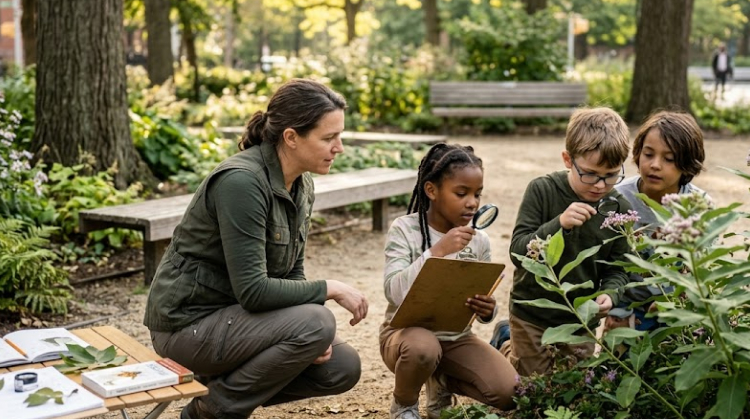
Outdoor learning programs allow participants to interact directly with nature rather than learning only through traditional classroom settings. Activities often include habitat exploration, gardening, wildlife observation, environmental science projects, and conservation workshops.
| Outdoor Learning Area | Community Impact |
|---|---|
| Environmental education | Builds awareness of ecosystems and conservation |
| Nature programs | Encourages outdoor participation |
| Youth activities | Supports learning during school breaks |
| Community workshops | Creates shared educational experiences |
Cities are using existing park infrastructure to create accessible learning opportunities. Trails, gardens, wetlands, forests, and community spaces provide natural environments for educational programming.
This approach allows recreation departments to combine public access with educational objectives while serving residents close to where they live.
Outdoor learning programs are especially significant during summer months when children have more availability for recreation activities. Many cities use seasonal programming to maintain engagement outside traditional school schedules.
Chicago Park District Expands Environmental Education Opportunities
The Chicago Park District operates one of the largest urban park systems in the United States, managing more than 600 parks and hundreds of recreational facilities throughout the city.
The district has incorporated environmental education into its recreation programming through nature activities, community gardens, youth programs, and conservation-focused events.
Chicago’s parks provide unique opportunities for residents to learn about urban ecosystems. Areas such as wetlands, gardens, and natural habitats allow participants to study plants, wildlife, and environmental processes within a major city.
Programs hosted through park facilities connect recreation with educational experiences by introducing children and families to outdoor science activities.
The city’s approach demonstrates how urban parks can support learning while maintaining their traditional role as recreation spaces.
The Chicago Park District environmental programs provide examples of how municipal park systems incorporate conservation education into community programming.
New York City Parks Uses Nature Programs To Connect Residents With Local Environments
New York City operates one of the most extensive municipal park systems in the country through the New York City Department of Parks & Recreation.
With more than 1,700 parks, playgrounds, and recreation facilities, the department uses public spaces across the five boroughs to provide environmental education and outdoor learning experiences.
Programs include nature walks, gardening initiatives, wildlife education, and community stewardship activities.
Urban residents often have limited access to natural environments, making city parks important locations for environmental learning. Programs hosted in locations such as community gardens, waterfront parks, and forested areas allow participants to explore local ecosystems.
Outdoor education also supports community involvement by encouraging residents to participate in conservation activities.
These programs demonstrate how cities can use existing park networks to provide educational opportunities without requiring travel outside urban areas.
Los Angeles Expands Outdoor Education Through Recreation Facilities
Los Angeles Department of Recreation and Parks manages a large network of parks, recreation centers, sports facilities, and open spaces throughout the city.
The department has continued expanding programming that connects residents with outdoor experiences, including environmental activities, youth programs, and community events.
Los Angeles faces unique recreation challenges due to its size, population density, and diverse neighborhoods. Outdoor learning programs help create educational opportunities across different communities by using local parks as accessible resources.
Programs may include environmental workshops, gardening activities, outdoor fitness opportunities, and youth-focused recreation.
The connection between recreation and education allows parks to serve multiple purposes. A community garden can become a space for nutrition education, a trail can support environmental lessons, and a park area can become a location for science-based activities.
This integrated approach strengthens the role of recreation departments in supporting community development.
Partnerships Increase The Reach Of Outdoor Learning Programs
Many successful outdoor education initiatives depend on partnerships between municipal agencies, schools, nonprofit organizations, and environmental groups.
These collaborations allow cities to provide specialized programming while reaching more residents.
Common partnerships include:
- Schools connecting students with outdoor learning opportunities
- Conservation organizations providing environmental expertise
- Community groups supporting local participation
Partnerships also help recreation agencies develop programs that reflect local needs.
For example, a city park located near waterways may focus on conservation education related to water systems, while another community may prioritize gardening, urban ecology, or wildlife programs.
The flexibility of outdoor learning allows cities to adapt programs based on their environment and community interests.
Outdoor Learning Supports Youth Development And Wellness Goals
Outdoor education programs contribute to youth development by combining learning with physical activity and social interaction.

Children participating in outdoor programs can develop observation skills, teamwork abilities, and greater awareness of their surroundings.
| Youth Benefit | Outdoor Program Connection |
|---|---|
| Physical activity | Walking trails, outdoor exploration, recreation |
| Environmental knowledge | Nature studies and conservation projects |
| Social skills | Group activities and community programs |
| Creativity | Hands-on outdoor experiences |
These programs support wellness goals by encouraging time outside and providing structured activities during school breaks.
Public health organizations have increasingly recognized the relationship between access to parks and healthier communities. Outdoor spaces provide opportunities for movement, connection, and stress reduction.
Cities investing in outdoor learning programs are combining recreation services with broader community health strategies.
Seattle Parks And Recreation Demonstrates The Growth Of Nature-Based Education
Seattle Parks and Recreation provides another example of how urban park systems are incorporating outdoor education into community programming.
The city’s extensive network of parks includes forests, gardens, waterfront areas, and natural spaces that support environmental learning.
Programs throughout Seattle connect residents with local ecosystems through nature activities, conservation projects, and educational events.
The city’s approach reflects a growing interest among municipalities in creating stronger relationships between residents and public outdoor spaces.
Nature-based education helps communities understand the value of local environments while encouraging responsible recreation.
Future Park Planning Includes More Education And Environmental Programming
Cities are expected to continue expanding outdoor learning opportunities as demand increases for recreation programs that support education, wellness, and community participation.
Future investments may include improved nature centers, expanded environmental programs, accessible outdoor classrooms, and partnerships with educational institutions.
Public parks provide a foundation for these initiatives because they already exist within communities and serve diverse populations.
The continued development of outdoor learning programs shows how recreation systems are adapting to broader community needs. Parks are becoming places where residents can exercise, connect with others, and gain knowledge about the environments around them.
Through partnerships, infrastructure improvements, and educational programming, cities are strengthening the connection between public recreation and community learning.