
Summer Recreation Programs Become Key Resources For Youth Wellness And Community Engagement
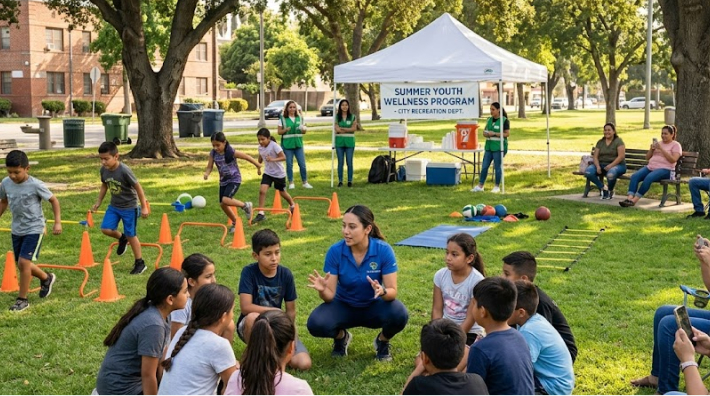
Cities across the United States are increasing investment in summer recreation programs as local governments recognize parks and community centers as important spaces for youth development, physical activity, and social connection.
Municipal recreation departments in cities such as New York, Chicago, Los Angeles, and Philadelphia are expanding seasonal programming that combines sports, outdoor activities, educational opportunities, arts programs, and wellness initiatives. These efforts reflect a broader shift in how communities view public recreation systems: not simply as places for leisure, but as accessible resources that support healthier lifestyles and stronger neighborhoods.
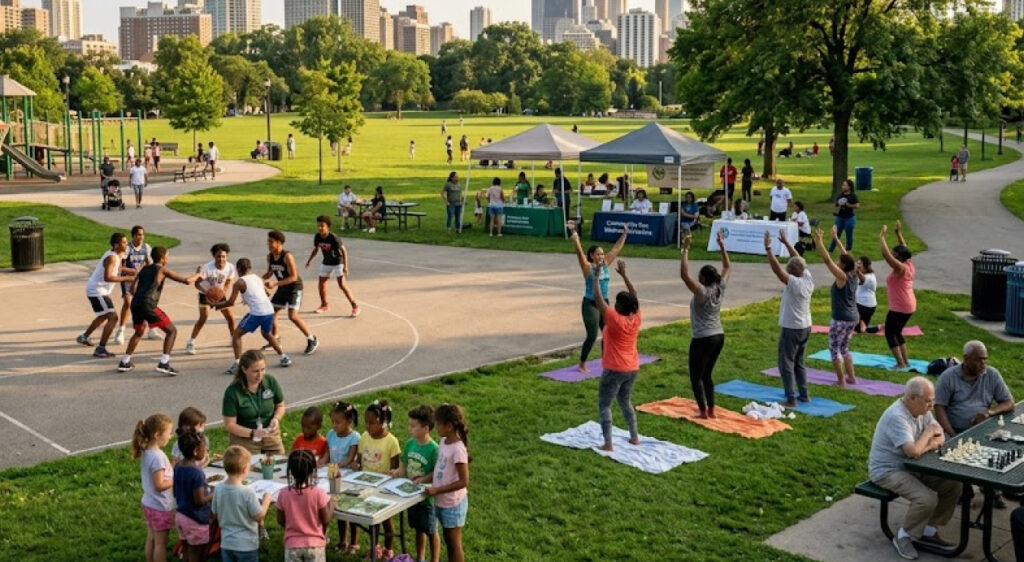
Summer months create unique opportunities for recreation agencies to increase participation among children and teenagers. With schools on break, cities use parks, pools, athletic facilities, and community centers to provide structured activities that encourage movement, creativity, and community involvement.
The expansion of these programs also responds to growing public interest in youth wellness. Recreation leaders increasingly focus on creating environments where young residents can build confidence, develop skills, and maintain active routines during school vacations.
The National Recreation and Park Association youth programs research highlights the role parks play in supporting physical activity, mental wellness, and community health through accessible recreation opportunities.
Summer Recreation Investments Strengthen Urban Park Systems
Municipal recreation departments have traditionally offered summer camps, sports leagues, swimming programs, and neighborhood events. Recent investments have expanded these services by adding wellness-focused activities, outdoor education, and programs designed around different community needs.
The structure of summer recreation programming varies by city, but many initiatives share similar priorities.
| Program Area | Community Purpose |
|---|---|
| Sports and fitness | Encourages physical activity and teamwork |
| Outdoor education | Builds environmental awareness and exploration skills |
| Arts and cultural activities | Supports creativity and self-expression |
| Community events | Creates connections among residents |
These programs allow cities to use existing recreation infrastructure more effectively. Parks, playgrounds, recreation centers, and public pools become active community spaces throughout the summer season.
The investment also reflects a response to broader youth wellness concerns. Public health agencies have identified physical activity, social connection, and access to safe environments as important factors affecting young people’s wellbeing.
Cities are increasingly coordinating recreation programs with schools, nonprofit organizations, and community groups to reach more families and create consistent opportunities.
New York City Expands Summer Recreation Through Parks And Community Programs
New York City continues operating one of the largest municipal recreation systems in the country through the New York City Department of Parks & Recreation. The agency manages more than 1,700 parks, playgrounds, and recreation facilities across the five boroughs.
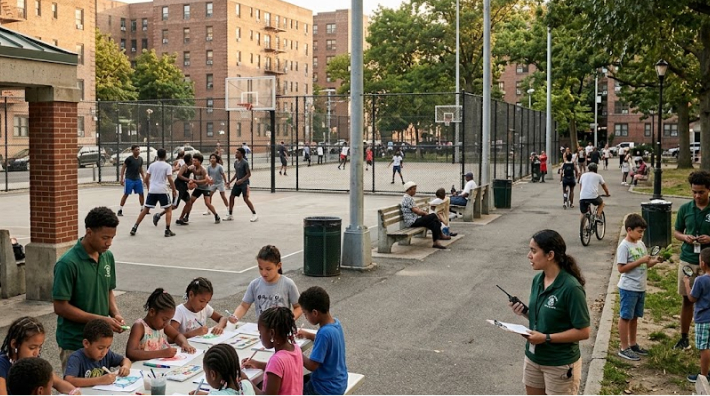
During summer months, the city provides extensive programming through initiatives such as community sports, outdoor activities, recreation center programs, and youth-focused events.
Programs throughout New York City demonstrate how large urban recreation systems can use public spaces to support youth participation. Activities include athletics, arts programs, environmental education, and organized events that bring residents together.
The scale of New York’s recreation network allows the city to provide programming across diverse neighborhoods while adapting activities to local interests.
The city’s approach shows how public parks can function as neighborhood resources where young residents access structured activities close to home.
The New York City Parks recreation programs provide information about seasonal activities, community events, and youth programming opportunities available throughout the city.
Chicago Park District Uses Recreation Programming To Support Youth Development
The Chicago Park District manages one of the largest park systems in the United States, with more than 600 parks, hundreds of playgrounds, and numerous recreation facilities.
The district’s summer programming includes sports, cultural activities, fitness opportunities, nature programs, and community events designed for children and families.
Chicago’s recreation model demonstrates the connection between park access and youth engagement. Neighborhood parks provide convenient locations where residents can participate in activities without requiring long-distance travel.
Summer programs also support families by providing structured environments where children can participate in supervised activities during school breaks.
The district’s programming strategy includes partnerships with community organizations and local groups to increase participation and provide specialized opportunities.
This approach reflects a broader trend among city recreation departments: using parks as platforms for community services rather than focusing only on traditional recreation.
Los Angeles Expands Outdoor Activities Through Recreation And Parks Programs
Los Angeles Department of Recreation and Parks operates one of the largest municipal recreation networks in California, managing hundreds of parks, recreation centers, pools, sports facilities, and community spaces.
The department’s summer activities include youth sports, swimming programs, fitness classes, cultural events, and outdoor recreation opportunities.
Los Angeles faces unique challenges because of its geographic size and diverse population. Recreation planning requires programs that serve neighborhoods with different needs, climates, and community priorities.
Summer programming allows the city to activate outdoor spaces while encouraging residents to participate in healthy activities.
Programs hosted through recreation centers and parks provide opportunities for young residents to develop athletic skills, participate in group activities, and build relationships with peers.
The city’s recreation system demonstrates how public agencies can combine infrastructure, programming, and community partnerships to support youth wellness.
Community Partnerships Increase The Reach Of Summer Programs
Many successful summer recreation programs depend on partnerships between municipal agencies, schools, nonprofits, and local organizations.
Partnerships allow cities to expand program variety, provide specialized instruction, and connect with families who may not regularly participate in traditional recreation activities.
Common partnerships include:
- Schools supporting youth enrollment and outreach
- Nonprofits providing specialized programming
- Health organizations contributing wellness education
- Community groups supporting neighborhood events
These collaborations allow recreation departments to address multiple community priorities through shared resources.
A youth sports program, for example, can support physical activity while also creating opportunities for mentorship and teamwork. Outdoor education programs can introduce young residents to environmental topics while encouraging time spent outside.
This interconnected approach has become an important part of modern recreation planning.
Parks Become Important Spaces For Youth Wellness
The role of parks continues expanding as cities address youth wellness through accessible public programs.
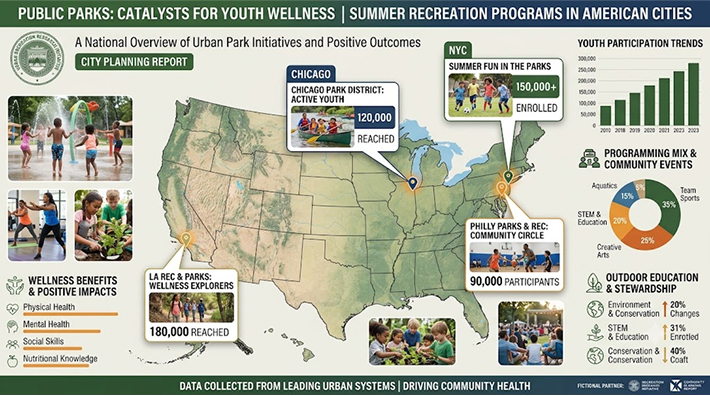
Recreation opportunities can influence physical activity levels, social relationships, and community participation. Public parks provide environments where young residents can engage in organized activities while developing skills outside traditional educational settings.
Summer programs are particularly valuable because they provide continuity during periods when school-based activities are unavailable.
| Wellness Benefit | Recreation Connection |
|---|---|
| Physical activity | Sports, fitness programs, outdoor play |
| Social connection | Group activities and community events |
| Skill development | Coaching, education, creative programs |
| Outdoor engagement | Nature activities and park exploration |
These benefits explain why cities continue allocating resources toward summer recreation initiatives.
Investment in youth programming also supports long-term community development. Residents who participate in recreation programs often build stronger connections with their neighborhoods and local institutions.
Future Summer Recreation Planning Focuses On Access And Participation
Cities across the United States are continuing to evaluate how summer recreation programs can serve growing populations and changing community needs.
Future initiatives are expected to include more outdoor education, adaptive recreation opportunities, wellness programming, and partnerships that increase participation.
Technology is also becoming part of recreation planning, with online registration systems, digital communication tools, and improved scheduling platforms helping families access programs more easily.
The continued development of summer recreation programs shows how public parks are evolving into important community resources. Through investment in youth activities, wellness initiatives, and accessible programming, cities are creating opportunities that support healthier and more connected communities.