

Inclusive Recreation Programs Are Changing How Communities Approach Public Parks
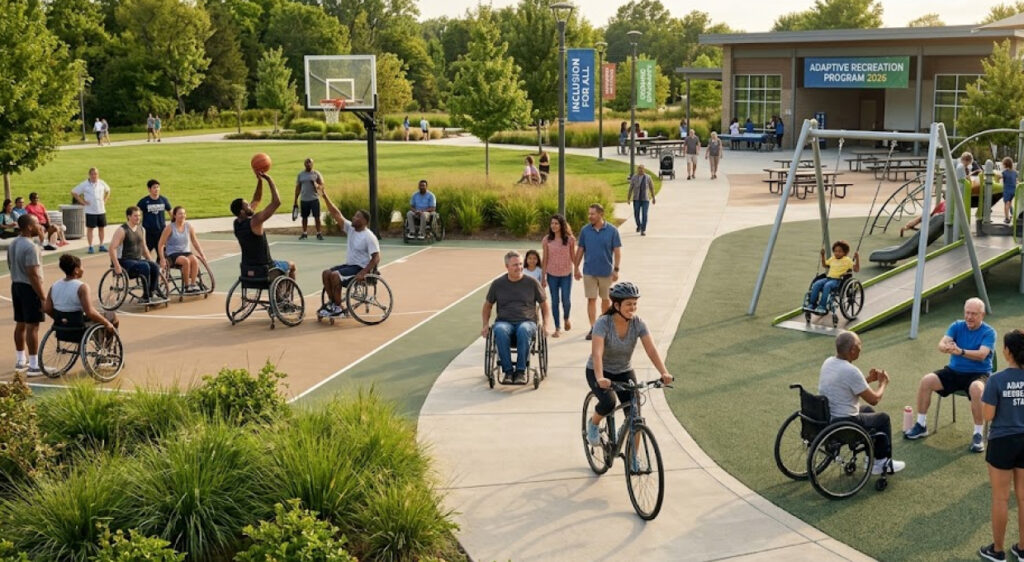
Public parks and recreation departments across the United States are expanding adaptive recreation opportunities as communities place greater emphasis on accessibility, participation, and inclusive experiences. Programs designed for residents with disabilities are moving beyond traditional recreational models by incorporating adaptive sports, modified fitness activities, social programs, and community events that welcome participants with different abilities.
The growth of adaptive recreation reflects a broader shift in how municipalities define the purpose of public spaces. Parks are increasingly viewed as environments where residents of all abilities can participate, build connections, and access wellness opportunities.
Organizations such as the National Recreation and Park Association (NRPA) have highlighted inclusive recreation as a key priority for modern park systems. Local agencies are investing in accessible facilities, specialized programming, staff training, and partnerships with disability organizations to create more welcoming recreation environments.
One example is the Burbank Adaptive Sports Expo (BASE) in California, an initiative supported by the City of Burbank Parks and Recreation Department that introduces residents to adaptive sports opportunities while connecting families with local resources and community organizations.
For additional information about inclusive recreation initiatives nationwide, the National Recreation and Park Association provides adaptive recreation resources highlighting how parks support health and participation.
Adaptive Sports Create New Opportunities for Community Participation
Adaptive sports programs modify traditional athletic activities to accommodate participants with physical, sensory, or developmental disabilities. These modifications may include specialized equipment, adjusted rules, accessible facilities, and trained instructors who understand individual participant needs.
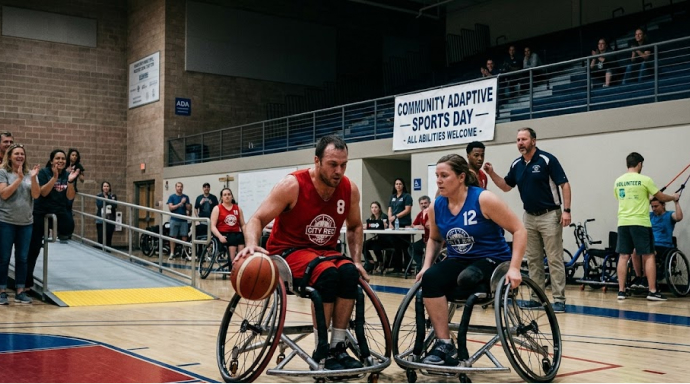
Across the country, recreation departments are introducing programs such as:
- Adaptive basketball and wheelchair sports
- Inclusive swimming programs
- Adaptive fitness classes
- Accessible outdoor activities
- Therapeutic recreation programs
These programs provide opportunities for individuals who may have previously faced barriers to participation in traditional recreation environments.
The City of Burbank, located in Los Angeles County, has developed adaptive programming through its Parks and Recreation Department, including events that introduce residents to activities such as wheelchair basketball, adaptive cycling, inclusive fitness demonstrations, and community resource connections.
The Burbank Adaptive Sports Expo demonstrates how local recreation departments can serve as connection points between residents, nonprofit organizations, healthcare professionals, and adaptive sports providers.
Rather than creating separate recreation systems, many communities are working toward integrated models where adaptive opportunities exist alongside traditional programming.
Parks Departments Are Investing in Accessible Recreation Infrastructure
Inclusive programming requires more than scheduled activities. Physical spaces must also support participation through accessible design features that allow residents to use parks independently.
Many municipalities are upgrading facilities with improvements such as:
| Accessibility Improvement | Community Benefit |
|---|---|
| Accessible playground equipment | Allows children with different abilities to participate together |
| Improved pathways and surfaces | Creates easier movement throughout parks |
| Adaptive sports facilities | Supports specialized recreation activities |
| Inclusive restrooms and amenities | Improves comfort and independence |
These investments often involve collaboration between parks departments, accessibility specialists, community advocates, and local government leaders.
The Americans with Disabilities Act (ADA), signed into law in 1990, established accessibility requirements for public facilities, including recreation spaces. More than three decades later, many communities continue updating older parks to meet modern accessibility expectations.
The U.S. Access Board provides ADA accessibility standards that guide public facility design and help organizations create more usable environments.
Community Partnerships Strengthen Adaptive Recreation Programs
Successful adaptive recreation programs often depend on partnerships beyond municipal government. Recreation departments frequently collaborate with disability advocacy groups, healthcare providers, schools, and nonprofit organizations to improve program quality and reach more residents.
These partnerships help communities address several important areas:
- Identifying recreation needs
- Training program staff
- Providing specialized equipment
- Connecting families with resources
Local organizations often bring expertise that complements the operational capabilities of parks departments.
For example, adaptive sports events frequently include participation from physical therapists, coaches, accessibility advocates, and community organizations. This collaborative approach creates stronger programs while helping residents discover opportunities that may not otherwise be available.
The development of these partnerships also supports a larger cultural change. Recreation programs increasingly focus on participation and community connection rather than simply offering activities.
Inclusive Recreation Supports Physical and Social Wellness
Adaptive recreation contributes to wellness by creating opportunities for movement, social interaction, and personal development. Physical activity is associated with numerous health benefits, including improved mobility, cardiovascular health, and emotional wellbeing.
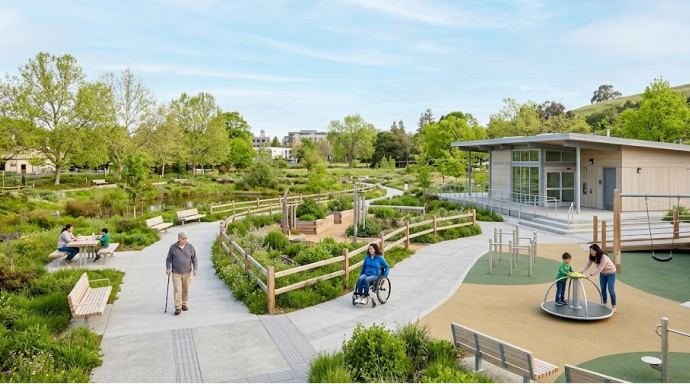
For many participants, recreation programs also provide important social connections. Group activities allow residents and families to meet others with shared interests while reducing isolation.
The wellness impact extends beyond individual participants. Families, caregivers, volunteers, and community members often become involved through inclusive events and activities.
Modern recreation departments recognize that wellness includes physical, social, and emotional dimensions. Accessible programs support this broader understanding by creating spaces where more residents can participate.
Cities Are Expanding Inclusive Events and Community Activities
Adaptive recreation is increasingly becoming part of larger community programming calendars rather than existing as a separate service category.
Many cities now include inclusive activities within:
- Summer recreation programs
- Community festivals
- Sports demonstrations
- Outdoor wellness events
- Family recreation days
This integration helps normalize participation and creates opportunities for residents with different abilities to interact naturally.
Events such as adaptive sports expos serve as educational opportunities for the broader community. They introduce residents to adaptive equipment, demonstrate athletic possibilities, and highlight organizations supporting accessibility.
Community-wide participation also helps recreation departments identify future programming needs and improve services based on direct feedback.
Technology and Equipment Innovation Are Expanding Recreation Access
Advancements in adaptive equipment are allowing more people to participate in recreational activities. Specialized wheelchairs, adaptive bicycles, modified fitness equipment, and accessible technology continue improving opportunities for athletes and recreational users.
Recreation departments are increasingly evaluating equipment investments based on community demand and long-term usability.
Technology has also improved communication between agencies and residents. Online registration systems, digital accessibility tools, and improved program information allow families to discover available opportunities more easily.
These developments support a more flexible recreation model where participants can select activities that match their interests and abilities.
The Future of Adaptive Recreation Depends on Long-Term Planning
The expansion of adaptive recreation programs reflects a broader transformation in public parks management. Communities are moving toward recreation systems that recognize accessibility as a fundamental component of quality public service.
Future development will likely focus on combining inclusive programming with accessible infrastructure, staff education, and stronger community partnerships.
The goal is not simply to create individual adaptive activities, but to build recreation environments where residents with different abilities can participate throughout the entire park system.
Communities investing in adaptive recreation demonstrate how public spaces can support broader participation and stronger connections among residents. As parks continue evolving into centers for wellness, education, and social interaction, inclusive programming will remain a key measure of how effectively recreation systems serve their communities.
Readers interested in how parks are expanding wellness-focused programming can explore our related coverage on park wellness initiatives and the growing role of outdoor spaces in supporting healthier communities.