

Federal Funding Expansion Strengthens Local Parks and Recreation Infrastructure in 2026
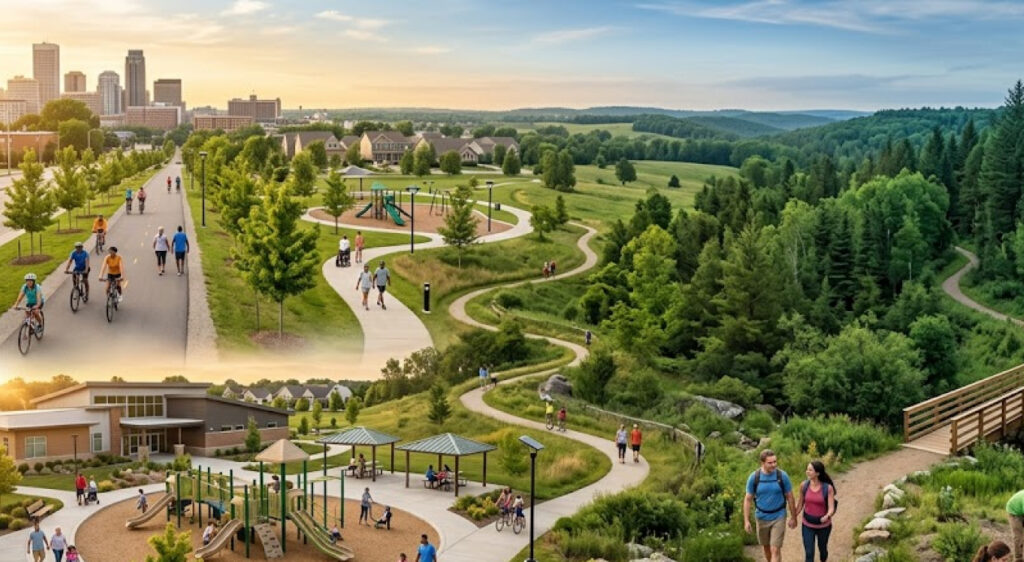
Public parks across the United States are entering a new phase of investment as federal funding programs continue supporting improvements to outdoor recreation infrastructure, accessibility, and community spaces. In 2026, the U.S. Department of the Interior announced more than $461 million through the Land and Water Conservation Fund (LWCF) for outdoor recreation projects across all 50 states, U.S. territories, and Washington, D.C.
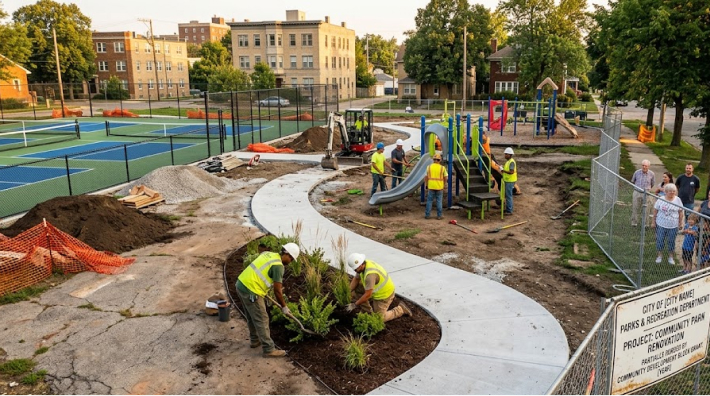
When combined with required state and local matching contributions, the investment is expected to generate more than $900 million in total outdoor recreation improvements, supporting projects that range from neighborhood parks and playground upgrades to trail systems, waterfront access areas, and recreational facilities.
The funding represents one of the largest nationwide commitments to community recreation infrastructure in recent years. For local governments, the investment provides an opportunity to address aging facilities, expand access to outdoor spaces, and strengthen parks as community resources supporting health, environmental stewardship, and social connection.
The Land and Water Conservation Fund (LWCF) has historically supported thousands of recreation projects since its creation in 1965, using federal resources to assist state and local governments with outdoor recreation development.
For additional background on federal recreation investment priorities, the Department of the Interior provides LWCF program information outlining how funding supports public outdoor spaces nationwide.
Land and Water Conservation Fund Supports Community-Level Improvements
The LWCF operates through a partnership model where federal funding is distributed to states, which then allocate grants to eligible local projects. This structure allows communities to identify their own recreation priorities while maintaining alignment with national outdoor access goals.
Projects supported through the program commonly include:
- Park renovations and accessibility improvements
- Trail construction and expansion
- Sports and recreation facilities
- Playground replacements
- Community gathering spaces
- Conservation-focused recreation areas
Unlike large-scale federal infrastructure programs focused on transportation or utilities, LWCF investments directly affect the daily experiences of residents who use local parks for exercise, family activities, youth programs, and community events.
The funding approach also supports smaller communities that may lack sufficient resources to modernize recreation facilities independently. Rural communities, suburban municipalities, and growing metropolitan areas can use LWCF grants to improve spaces that serve thousands of residents each year.
A recent example includes projects across states such as Texas, California, Michigan, and Colorado, where local governments have prioritized trail networks, park accessibility upgrades, and recreation facility improvements.
These investments reflect a broader recognition that parks function as essential public infrastructure rather than optional community amenities.
Community Parks Are Becoming Strategic Public Health Assets
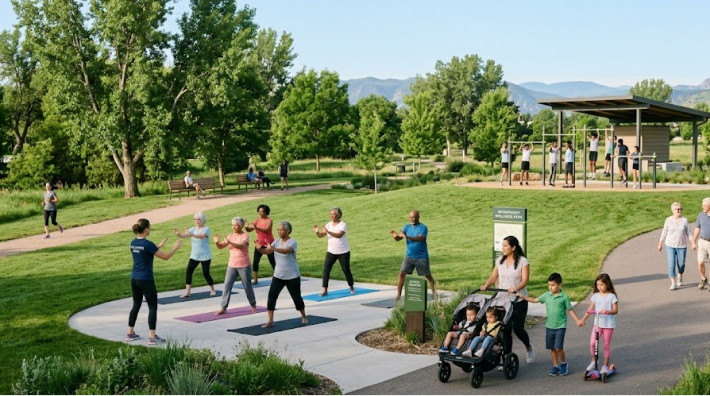
The relationship between outdoor spaces and public health continues influencing recreation planning decisions across the country. Local governments increasingly view parks as important resources for encouraging physical activity, reducing social isolation, and providing accessible wellness opportunities.
The National Recreation and Park Association (NRPA) has highlighted the connection between parks, recreation programs, and community wellbeing through national research examining how public spaces contribute to healthier communities.
Cities receiving outdoor recreation funding are using improvements to expand opportunities for walking, cycling, organized sports, and outdoor programming.
For example, park renovations supported through federal and state partnerships often include features such as:
| Investment Area | Community Impact |
|---|---|
| Trail systems | Supports walking, cycling, and outdoor mobility |
| Accessible playgrounds | Expands recreation opportunities for children with different abilities |
| Recreation centers | Provides year-round community programming |
| Green spaces | Supports environmental benefits and outdoor activity |
These improvements allow parks departments to provide more inclusive programming while responding to changing community needs.
The National Recreation and Park Association provides parks and health research examining how recreation infrastructure contributes to public wellbeing.
Funding Supports More Accessible Recreation Opportunities
Accessibility has become a central focus of modern park development. Many communities are using recreation funding to remove physical barriers and create spaces that welcome residents of different ages and abilities.
Projects supported through outdoor recreation grants increasingly include:
- Accessible pathways connecting park areas
- Adaptive playground equipment
- Improved restroom facilities
- Inclusive sports areas
- Better transportation connections to recreation sites
These upgrades allow parks to serve broader populations, including older adults, individuals with disabilities, and families seeking accessible outdoor activities.
In many communities, older recreation facilities were constructed decades ago and do not meet current accessibility standards. Federal investment provides municipalities with resources to modernize these spaces without relying entirely on local budgets.
The result is a stronger connection between public investment and everyday community experiences.
State and Local Partnerships Drive Recreation Development
The success of outdoor recreation funding depends heavily on cooperation between federal agencies, state governments, and local recreation departments.
State agencies evaluate project proposals, distribute funding, and monitor implementation, while local governments manage construction, programming, and long-term maintenance.
This partnership structure allows communities to prioritize projects based on regional needs.
A coastal community may invest in waterfront access improvements, while an inland city may focus on trail systems, sports complexes, or neighborhood parks.
The diversity of projects demonstrates that outdoor recreation investment is not limited to one type of environment. Instead, it supports different community priorities across the country.
A comparison of typical project categories illustrates the broad impact:
| Community Type | Common Recreation Investment |
|---|---|
| Urban areas | Neighborhood parks, greenways, recreation centers |
| Suburban communities | Sports facilities, trails, family recreation areas |
| Rural regions | Outdoor access points, conservation areas, multi-use trails |
This flexibility allows communities to create recreation systems that reflect local demographics, geography, and public needs.
Outdoor Recreation Investment Supports Local Economies
Beyond recreation and wellness benefits, park improvements contribute to local economic activity. Construction projects create temporary employment opportunities, while upgraded recreation facilities can increase tourism, event participation, and surrounding business activity.
Communities with high-quality outdoor amenities often attract visitors for festivals, tournaments, trail activities, and outdoor experiences.
This economic connection has become increasingly important as states recognize outdoor recreation as a significant industry. According to the Bureau of Economic Analysis, outdoor recreation contributes hundreds of billions of dollars annually to the U.S. economy through activities including hiking, camping, boating, and other outdoor pursuits.
For communities investing in parks, the benefits extend beyond the park boundary by supporting nearby businesses, increasing property attractiveness, and strengthening community identity.
For broader economic data related to outdoor activities, the Bureau of Economic Analysis publishes outdoor recreation economic statistics.
Future Recreation Planning Will Focus on Long-Term Community Resilience
The $900 million recreation investment arrives at a time when communities face increasing demand for accessible outdoor spaces, climate adaptation, and healthier public environments.
Many municipalities are incorporating resilience strategies into park improvements, including:
- Native landscaping
- Stormwater management systems
- Shade structures
- Sustainable materials
- Climate-adaptive recreation design
These features help communities maintain functional outdoor spaces as weather patterns change and population needs evolve.
The investment also supports the broader transformation of parks from traditional recreation locations into multifunctional community assets. Modern parks increasingly combine recreation, wellness, environmental education, and social programming within a single public space.
As federal, state, and local partnerships continue, outdoor recreation funding will remain an important tool for improving the quality and accessibility of public spaces throughout the United States.
The impact of this investment will be measured not only through completed construction projects, but also through how effectively communities use these spaces to support healthier, more connected residents.
Readers interested in how recreation spaces are adapting to modern community needs can explore our related coverage on public park wellness programs and the growing role of outdoor environments in public health planning.