

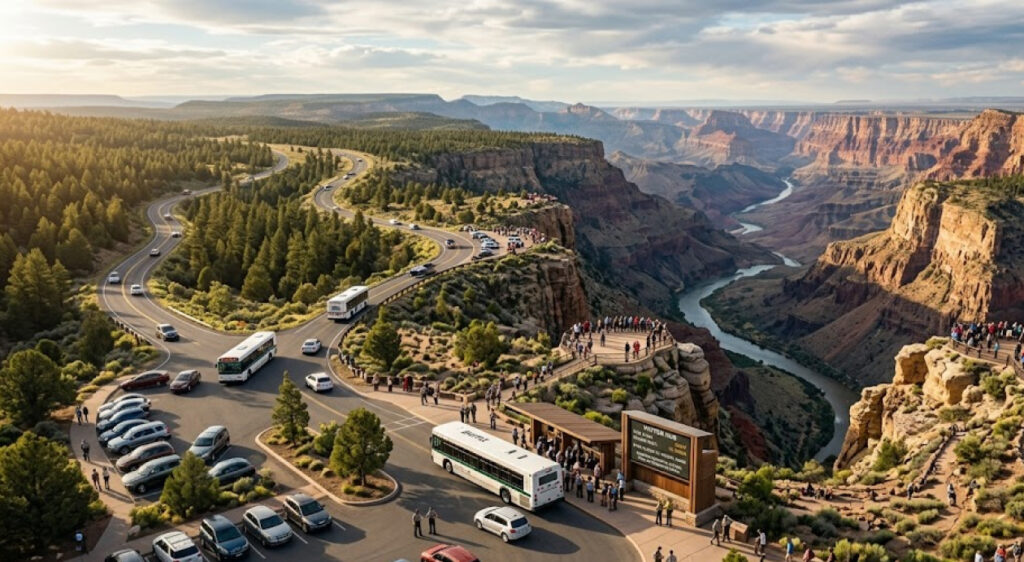
America’s national parks are entering another high-demand summer season as millions of visitors prepare to explore iconic landscapes across the country. From Yellowstone’s geothermal areas to the Grand Canyon’s desert viewpoints, increasing tourism levels are creating new challenges for the National Park Service (NPS) as the agency balances public access, conservation priorities, and infrastructure capacity.
The continued growth of outdoor recreation has transformed visitor management into a central issue for federal land managers. Rising visitation, aging facilities, transportation challenges, and environmental pressures are forcing national parks to develop new strategies that protect natural resources while maintaining access for travelers.
According to the National Park Service, more than 323 million recreational visits were recorded across national parks in 2025, continuing a trend of historically high demand following the surge in outdoor travel after 2020. Popular destinations are now expanding reservation systems, shuttle programs, digital tools, and infrastructure projects to improve visitor experiences.
The 2026 summer season is expected to continue this pattern as families, international travelers, and outdoor enthusiasts seek destinations that combine recreation, conservation, and cultural experiences.
National Park Visitation Growth Creates New Management Challenges
The popularity of America’s national parks has created economic benefits for surrounding communities while increasing pressure on park systems. Gateway towns near major destinations depend heavily on tourism spending, but park managers must address congestion, environmental impacts, and limited resources.
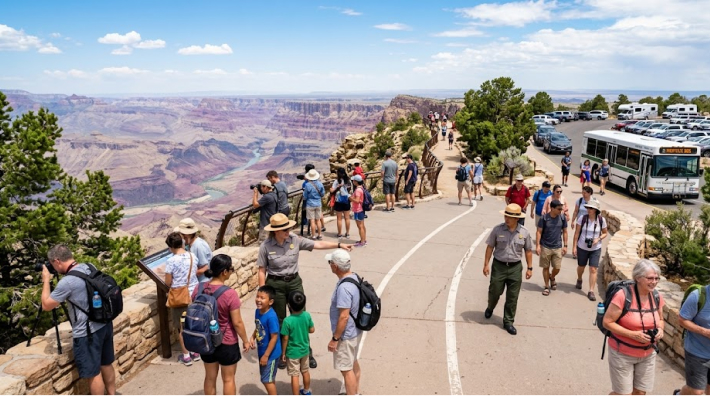
The challenge is especially visible in the country’s most visited parks. Locations such as Yellowstone National Park, Grand Canyon National Park, and Yosemite National Park regularly experience periods of intense demand during summer months.
| National Park | State(s) | Major Visitor Management Challenge |
|---|---|---|
| Yellowstone National Park | Wyoming, Montana, Idaho | Traffic congestion, wildlife protection, infrastructure demand |
| Grand Canyon National Park | Arizona | Crowding at viewpoints, transportation management |
| Yosemite National Park | California | Parking limitations, reservation systems, ecosystem protection |
| Great Smoky Mountains National Park | Tennessee, North Carolina | High visitation volume and road congestion |
The National Park Service has increasingly focused on visitor-use management plans that analyze how many people specific areas can support while maintaining environmental standards.
The agency’s approach recognizes that popularity itself can become a conservation challenge. Heavy traffic, trail erosion, waste management demands, and wildlife disturbances require long-term planning rather than short-term responses.
The National Park Service visitation data provides detailed information about attendance trends, park usage patterns, and the growing demand facing America’s protected lands.
Yellowstone And Grand Canyon Expand Visitor Management Strategies
Yellowstone National Park remains one of the clearest examples of the challenges created by record tourism levels. The park welcomed more than four million visitors annually in recent years, with summer months accounting for a significant share of activity.
Located across Wyoming, Montana, and Idaho, Yellowstone must manage traffic across hundreds of miles of roads while protecting sensitive ecosystems and wildlife populations. Park officials continue to emphasize responsible visitor behavior around animals, geothermal areas, and backcountry locations.
Transportation management has become a major focus. During peak periods, long vehicle lines near popular attractions can affect both visitor experiences and emergency response capabilities.
Grand Canyon National Park faces similar pressures. The Arizona destination attracts millions of visitors annually, creating demand for improved transportation systems, trail maintenance, and visitor education programs.
The park has expanded efforts to encourage shuttle use, reduce vehicle congestion, and improve visitor distribution across different areas. These strategies help protect heavily used locations while allowing travelers to experience less crowded areas of the park.
Reservation Systems Become More Common Across Popular Destinations
One of the biggest changes in national park management has been the expansion of timed-entry systems and reservation programs.
Several parks introduced reservation requirements after experiencing significant crowding issues. These systems allow park managers to control traffic flows during peak periods and provide visitors with more predictable experiences.
For example, Yosemite National Park has used reservation approaches during periods of extreme demand to manage vehicle access through Yosemite Valley. Similar strategies have appeared at other popular destinations where visitor numbers exceed infrastructure capacity.
The growing use of reservation systems represents a shift from traditional open-access models toward more structured visitor planning.
| Management Strategy | Purpose |
|---|---|
| Timed-entry reservations | Reduce congestion during peak periods |
| Shuttle systems | Lower vehicle pressure and emissions |
| Trail monitoring | Protect sensitive ecosystems |
| Digital visitor information | Improve planning before arrival |
These programs are not intended to reduce tourism but rather distribute visitation more effectively. Federal agencies are increasingly using data analysis to understand when and where visitors arrive, allowing parks to make decisions based on measurable patterns.
Infrastructure Investment Becomes Critical For Park Sustainability
Visitor growth has also highlighted the need for major infrastructure improvements throughout the national park system.
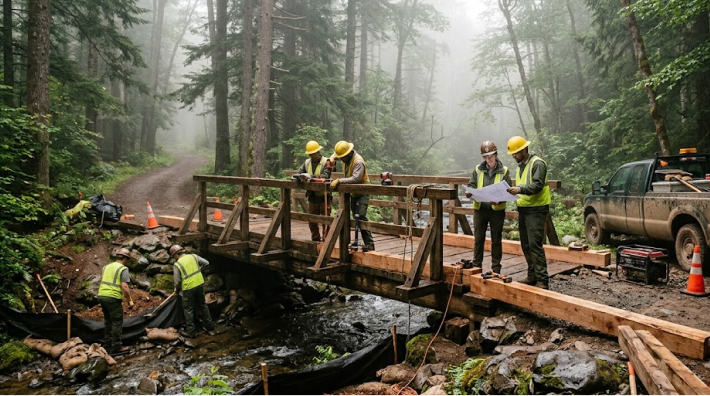
Many parks operate with roads, bridges, water systems, visitor centers, and facilities that were built decades ago. Increased tourism has accelerated the need for repairs and modernization.
The Great American Outdoors Act, signed into law in 2020, created a major funding source for addressing deferred maintenance projects across federal lands. The program has supported repairs involving roads, historic structures, trails, and visitor facilities.
The National Park Foundation has also supported conservation projects and visitor programs that strengthen public access while protecting important natural resources.
Infrastructure improvements are becoming increasingly important because visitor expectations continue to change. Travelers now expect reliable transportation information, accessible facilities, digital communication, and safer recreation opportunities.
Local Communities Adapt To Growing Park Tourism
National park visitation affects more than federal land boundaries. Nearby communities often experience major economic changes as tourism increases.
Gateway cities and towns provide lodging, restaurants, transportation services, outdoor equipment rentals, and tourism-related employment. In many regions, national parks represent one of the largest contributors to local economies.
However, rapid visitor growth can also create challenges. Housing availability, traffic congestion, workforce shortages, and increased demand for public services are becoming important issues for communities near popular destinations.
Places surrounding Yellowstone, Grand Canyon, and Yosemite have invested in transportation planning and tourism management strategies to address these pressures.
The relationship between parks and surrounding communities is becoming a key part of future visitor management planning. Successful strategies require cooperation between federal agencies, local governments, businesses, and residents.
Technology Plays A Larger Role In Managing Park Visitors
Digital technology is becoming an important tool for national park operations. Mobile applications, online reservation systems, visitor alerts, and real-time information platforms allow agencies to communicate directly with travelers.
Technology also helps park managers analyze visitor movement patterns. Data collected through reservation systems and transportation programs can identify overcrowded locations and support decisions about future infrastructure investments.
Artificial intelligence and advanced analytics may play a larger role in future visitor management by helping agencies forecast demand, identify congestion patterns, and improve resource planning.
The use of technology does not replace traditional conservation efforts but provides additional tools for protecting landscapes while maintaining public access.
The Future Of National Park Tourism Depends On Balanced Growth
America’s national parks remain among the country’s most valuable public resources, attracting visitors from every state and around the world. The challenge for federal agencies is ensuring that growing popularity does not damage the landscapes that make these destinations unique.
The 2026 summer season represents another important test for visitor management programs. Expanding reservation systems, improving infrastructure, and using better data tools will determine how effectively parks handle increasing demand.
For travelers, the future of national park access will likely involve more advance planning, digital tools, and awareness of conservation responsibilities. For federal agencies, the priority will remain finding a balance between welcoming visitors and protecting natural resources for future generations.
The continued evolution of visitor management will shape how Americans experience national parks during one of the strongest periods of outdoor recreation growth in modern history.