

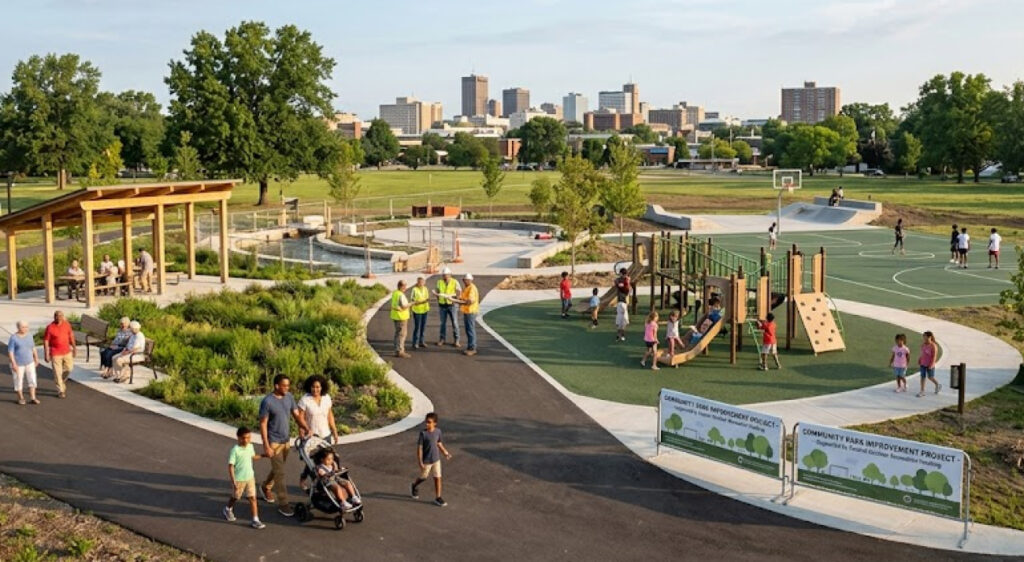
Federal Outdoor Recreation Funding Strengthens Local Parks, Trails, And Public Access Across America
Public recreation systems across the United States are entering a new phase of investment as federal funding programs continue supporting parks, trails, open spaces, and community facilities. The Department of the Interior’s outdoor recreation investments are providing resources that allow states and local communities to improve public spaces while increasing opportunities for residents to participate in outdoor activities.
Through programs managed by the Department of the Interior, including the Land and Water Conservation Fund (LWCF), federal funding is being distributed to state and local projects focused on recreation access, conservation, and community infrastructure.
The latest funding cycle represents a significant commitment to improving outdoor spaces nationwide. More than $461 million in federal funding has been allocated through the LWCF State Assistance Program, with matching investments expected to generate approximately $900 million in outdoor recreation improvements across communities.
These investments support projects that include neighborhood parks, athletic facilities, playgrounds, trails, waterfront recreation areas, and outdoor spaces that serve residents of different ages.
The Land and Water Conservation Fund program continues to serve as one of the nation’s primary mechanisms for supporting public recreation infrastructure while protecting valuable outdoor spaces.
State And Local Parks Receive Increased Support Through Federal Investment
Community parks are often the first point of access for residents seeking outdoor recreation opportunities. Unlike national parks that attract visitors from across the country, local parks directly serve neighborhoods through everyday activities such as walking, sports, playground use, community events, and wellness programs.
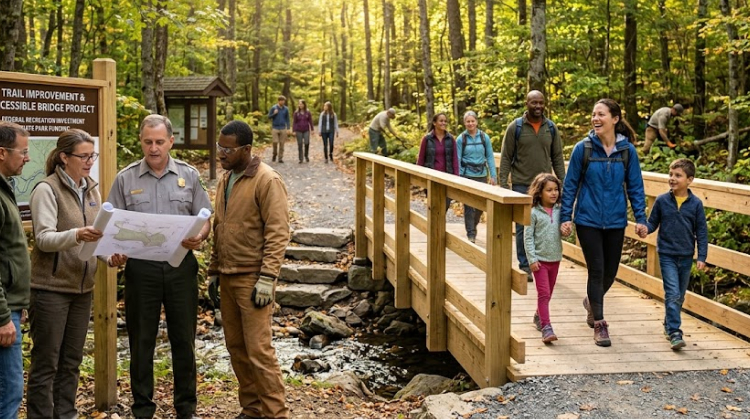
Federal recreation funding helps communities address aging infrastructure, expand accessibility, and create new recreational opportunities.
Projects supported through these investments commonly include:
- Trail development and improvements
- Playground construction and renovation
- Sports fields and recreation facilities
- Accessibility upgrades
- Open-space preservation projects
| Investment Area | Community Benefit |
|---|---|
| Park infrastructure | Improves daily recreation access |
| Trails and pathways | Supports walking, cycling, and outdoor activity |
| Accessible facilities | Expands participation opportunities |
| Open-space protection | Preserves natural recreation areas |
The connection between outdoor recreation and community wellness has become increasingly important for local governments. Parks provide accessible spaces where residents can engage in physical activity, social interaction, and outdoor experiences close to home.
The federal investment approach recognizes that recreation infrastructure contributes to broader community development goals.
Land And Water Conservation Fund Supports Long-Term Recreation Planning
The Land and Water Conservation Fund was established in 1965 to support conservation and recreation projects across the United States. The program uses federal resources to assist states and communities with the development of public outdoor spaces.
Unlike programs focused only on large-scale conservation areas, LWCF funding has a direct impact on local recreation facilities. Communities use these funds for projects that improve public access and create spaces for daily recreation.
The program has supported thousands of projects across all 50 states, helping communities develop parks that reflect local needs.
Recent investments continue focusing on projects that address:
- Population growth in urban and suburban areas
- Demand for accessible outdoor recreation
- Improvements to aging park facilities
- Protection of community green spaces
The U.S. Department of the Interior outdoor recreation initiatives demonstrate how federal agencies connect public lands, recreation opportunities, and community investments.
Urban Communities Benefit From Improved Recreation Infrastructure
Cities and suburban communities are among the major beneficiaries of outdoor recreation funding because population growth has increased demand for accessible public spaces.
Urban parks provide important recreation opportunities in areas where residents may have limited access to large natural areas. Investments in playgrounds, trails, sports facilities, and green spaces allow communities to integrate outdoor experiences into daily life.
Municipal recreation departments use these improvements to expand programming and support community events.
Examples of potential improvements include:
| Project Type | Recreation Impact |
|---|---|
| Community playgrounds | Creates family recreation opportunities |
| Multi-use trails | Supports walking, cycling, and mobility access |
| Sports complexes | Expands youth and adult programming |
| Park renovations | Improves visitor experience |
These projects also support local recreation departments by providing better spaces for events, wellness programs, and educational activities.
The relationship between infrastructure and programming is significant. Improved facilities allow recreation agencies to offer more diverse activities while serving a larger number of residents.
State Examples Show The Local Impact Of Recreation Funding
Across the country, states are using outdoor recreation investments to improve facilities and expand access.
Michigan provides one example of how state recreation systems combine infrastructure improvements with public access goals. The Michigan Department of Natural Resources manages extensive park and recreation networks, including destinations such as Belle Isle Park, Tahquamenon Falls State Park, and Waterloo Recreation Area.
Projects involving trails, visitor facilities, accessibility improvements, and outdoor amenities help strengthen Michigan’s recreation system while supporting residents and visitors.
California, Colorado, Virginia, and other states have also used recreation funding programs to improve community parks and outdoor facilities.
These investments demonstrate how federal support translates into local projects that affect everyday recreation experiences.
Accessibility Improvements Become A Priority For Modern Park Development
A major focus of current recreation investment is improving accessibility. Communities are increasingly evaluating whether parks and facilities can serve residents with different abilities.
Modern park improvements often include accessible pathways, inclusive playground equipment, adaptive recreation facilities, and redesigned gathering spaces.
Accessibility improvements benefit many groups, including:
- People with disabilities
- Older adults
- Families with young children
- Visitors recovering from injuries
Inclusive design allows parks to serve broader populations while creating spaces where more residents can participate.
This approach reflects a shift in recreation planning, where accessibility is incorporated into the development process from the beginning rather than added later.
Outdoor Recreation Investments Support Public Health And Wellness Goals
Public parks have become increasingly connected with community wellness strategies. Recreation agencies recognize that access to safe outdoor spaces encourages physical activity and creates opportunities for social engagement.
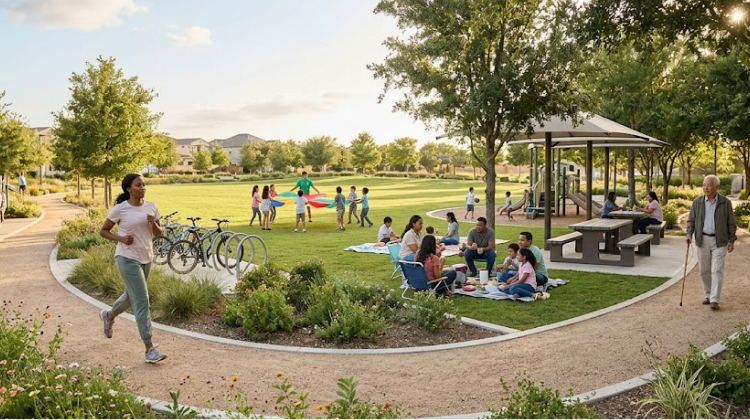
Walking trails, recreation areas, sports facilities, and community parks provide low-cost options for residents who want to maintain active lifestyles.
Federal recreation investments support these goals by improving the quality and availability of outdoor spaces.
Health-related benefits associated with accessible recreation areas include:
- Increased opportunities for physical activity
- Greater community interaction
- Outdoor learning experiences
- Improved access to nature
The expansion of recreation infrastructure supports communities as they develop healthier environments for residents.
Federal Recreation Funding Creates Opportunities For Future Community Growth
The Department of the Interior’s outdoor recreation investments represent a major commitment to strengthening public spaces throughout the United States.
The combination of federal funding, state partnerships, and local planning allows communities to improve parks while responding to changing recreation needs.
As cities and towns continue growing, demand for accessible outdoor spaces will remain a priority. Investments in trails, playgrounds, sports facilities, and public parks provide long-term benefits that extend beyond recreation.
Community parks serve as gathering places, wellness resources, and outdoor environments where residents can connect with their surroundings.
The continued support of programs such as the Land and Water Conservation Fund demonstrates how outdoor recreation infrastructure remains an important part of community planning across America.